
Raised Beds vs. In-Ground Gardens: What the Tradeoffs Really Look Like

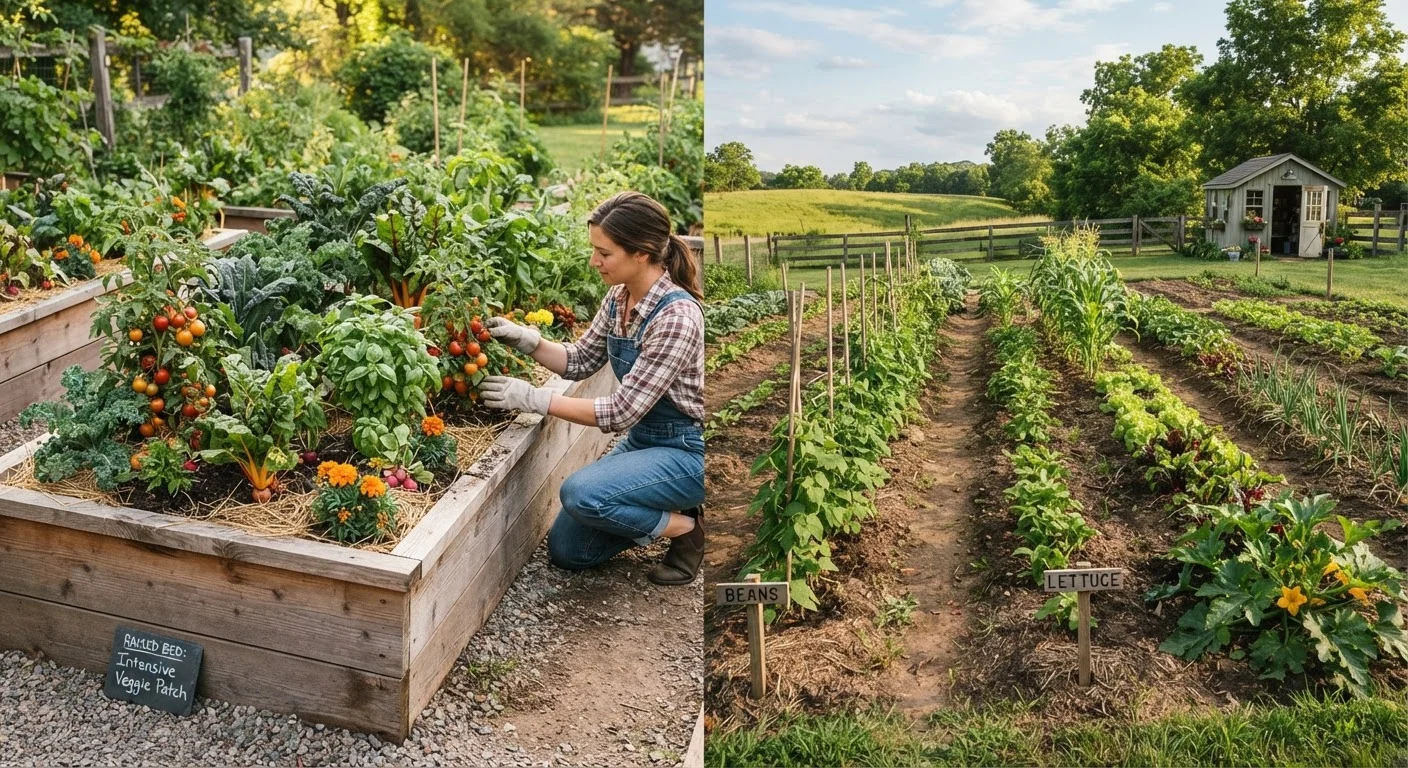
Photo: AdvisorBooth.net editorial
Key Takeaways
- Raised beds give you complete control over soil quality and drainage, making them ideal where native soil is poor or compacted.
- In-ground gardens cost less to establish and can accommodate a wider range of plant sizes and root depths.
- Raised beds tend to warm up faster in spring, extending your growing season by a few weeks.
- In-ground plots require less frequent watering in dry climates because soil moisture is more consistent at depth.
- Your budget, physical ability, and yard conditions should all factor into which method you choose.
- Many experienced gardeners use both methods together, matching each to the crops and conditions it suits best.
Soil Control and Drainage
The single biggest advantage raised beds offer is the ability to choose - or build - exactly the soil your plants need. You're not working with what's there; you're starting fresh. A well-composed raised bed mix typically combines topsoil, compost, and coarse material like perlite or aged bark to create loose, well-draining, nutrient-rich growing conditions from the very first season.
In-ground gardens depend on what's already in your yard. Good loamy soil is a genuine asset here - it holds moisture and nutrients well and improves further with compost additions each year. But if your native soil is heavy clay, sandy, or has drainage problems, it can take two to four seasons of consistent amendment before plants truly thrive. Building a compost practice is one of the most effective ways to steadily improve in-ground soil over time.
Drainage is where raised beds consistently outperform in-ground plots. Elevated soil drains freely after rain, reducing root rot risk - particularly valuable in regions with heavy spring rainfall or clay-rich subsoil. In-ground beds in poorly draining yards may require additional work like French drains or mounded rows to achieve the same result.
| Criterion | Raised Beds | In-Ground Gardens |
|---|---|---|
| Upfront cost | Moderate to high (materials + soil) | Low (minimal materials needed) |
| Soil quality control | Complete - you choose every input | Depends on native soil conditions |
| Drainage | Excellent - drains freely by design | Variable - depends on yard conditions |
| Season length | Longer - soil warms faster in spring | Standard - soil warming takes more time |
| Root depth available | Limited (typically 12 inches) | Unlimited - follows native soil depth |
| Scalability | Limited by cost and available space | Easily expanded at low cost |
| Accessibility | High - can be built to any height | Low - requires bending to ground level |
| Weed pressure | Generally lower at first | Higher in established yards |
Cost, Setup, and Ongoing Effort
In-ground gardening has a low barrier to entry. Clear the space, loosen the soil with a fork or tiller, add compost, and plant. For gardeners with workable native soil, that's essentially all the upfront investment required. Over time, the main ongoing cost is compost or organic fertilizer to replenish nutrients.
Raised beds carry a higher startup cost. Lumber, hardware cloth for gopher protection, and enough quality soil to fill a 4x8x12-inch bed can add up quickly. That said, once built and filled, maintenance is often easier - defined edges reduce grass encroachment, and the loose soil rarely needs tilling. If accessibility is a goal, taller beds (18-30 inches) cost more to build and fill but can make a meaningful difference for gardeners with mobility limitations.
2-4 weeks
Earlier spring planting in raised beds
University extension programs commonly note that raised bed soil can warm faster than surrounding ground, allowing earlier planting in many climates.
12 inches
Typical raised bed soil depth
Most standard raised bed designs provide 10-12 inches of growing depth, which suits the majority of vegetable crops but limits some deep-rooted plants.
~$100-$300+
Estimated startup cost per 4x8 raised bed
Material costs vary significantly by region and lumber choice; this range reflects common DIY builds using untreated cedar or pine and purchased soil mix.
Weeding effort tends to be lower in raised beds initially, especially when filled with weed-seed-free soil mix. In-ground gardens in established yards often contend with persistent weed seeds in native soil, making mulching an important ongoing strategy. Our guide to effective mulching techniques covers depth and material choices that work well in both settings.
What Each Method Grows Best
Raised beds excel with crops that benefit from loose, well-aerated soil and precise spacing: salad greens, herbs, carrots, radishes, bush beans, and tomatoes all perform well. The defined footprint also suits intensive planting strategies where plants are spaced close together to maximize yield per square foot. Pairing plants thoughtfully can further boost productivity - see our overview of companion planting approaches for guidance.
In-ground gardens handle large, sprawling, or deeply rooted plants more naturally. Vining winter squash, sweet corn, melons, and asparagus beds all benefit from the unlimited horizontal and vertical space of open ground. Perennial crops like strawberries or asparagus are often better suited to in-ground planting since they occupy space for many years - a permanent raised bed commitment changes the layout of your entire garden.
If you're just getting started and haven't settled on a full garden layout yet, our beginner's guide to starting a vegetable garden walks through site selection and planning steps that apply equally to both growing methods. For gardeners considering an even more space-flexible option, container gardening offers a useful comparison point.
You Don't Have to Choose Just One
The content on this site is for informational purposes only and is not a substitute for professional advice. Always consult a qualified professional for guidance specific to your situation.