
Mulching Done Right: Coverage, Depth, and Materials Explained

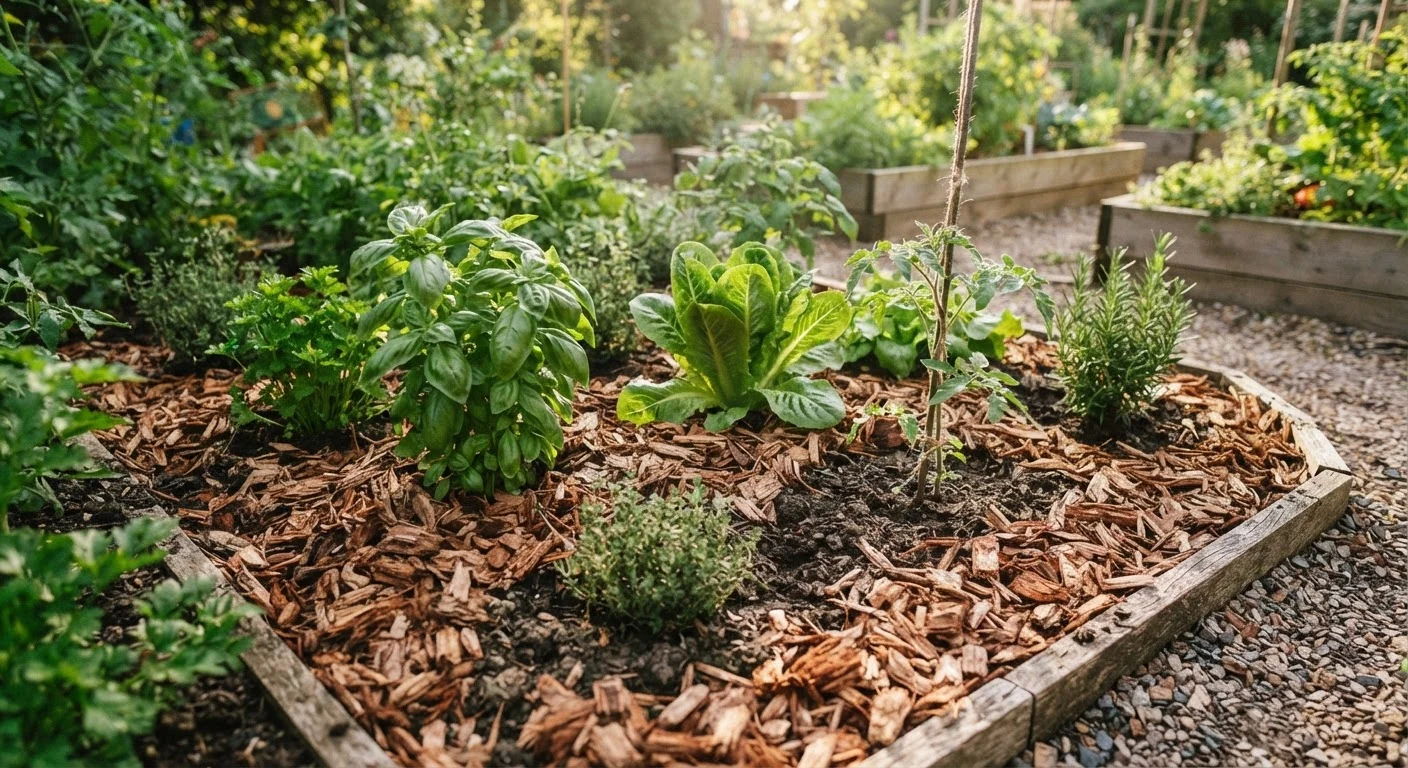
Photo: AdvisorBooth.net editorial
Key Takeaways
- Two to three inches of mulch is the sweet spot for most garden beds - too little or too much causes problems.
- Keep mulch pulled a few inches away from plant stems and tree trunks to prevent rot and pest damage.
- Organic mulches like wood chips and shredded leaves break down over time, feeding the soil as they decompose.
- The right mulch material depends on your plants, climate, and whether you want long-term soil enrichment.
- Mulching effectively reduces watering frequency by slowing soil moisture evaporation significantly.
Why Mulching Matters More Than Most Gardeners Realize
Mulch does a lot of quiet, unglamorous work in your garden. It insulates soil from temperature swings, slows moisture loss between waterings, suppresses weed germination, and - if you're using an organic type - gradually enriches your soil as it breaks down. The catch is that doing it wrong is almost as easy as doing it right. Too thin a layer and weeds push straight through; too thick and you risk suffocating roots and inviting fungal disease.
Understanding the mechanics behind mulch helps you make smarter choices about depth, coverage, and material. If you're also weighing garden setup options, our guide on raised beds vs. in-ground gardens covers how bed type can influence your mulching strategy.
Getting the Depth Right: The Two-to-Three-Inch Rule
Depth is the most commonly misunderstood variable in mulching. A layer that's too shallow - under an inch - dries out quickly and offers minimal weed suppression or temperature buffering. At the other extreme, piling on four or more inches creates a dense mat that blocks rainfall from reaching roots, promotes anaerobic conditions, and can cause crown rot in perennials and shrubs.
For most ornamental beds and vegetable gardens, aim for two to three inches of mulch. Fine-textured mulches like shredded bark can be applied at the lower end of that range since they pack more densely. Coarser materials like wood chips or pine nuggets can sit at the higher end because they allow more airflow and water infiltration.
One critical detail: always leave a clear gap - at least two to three inches - between the mulch and the base of any plant stem, shrub crown, or tree trunk. Piling mulch against woody stems, sometimes called a "mulch volcano," traps moisture against bark and creates ideal conditions for rot and rodent damage.
Choosing the Right Material for Your Garden
Not all mulch is created equal. Your choice should reflect your garden's needs, your climate, and how much ongoing maintenance you want to do.
- Shredded wood or bark: One of the most widely available options. Breaks down slowly, suppresses weeds well, and gives beds a tidy appearance. Works well around trees, shrubs, and perennials.
- Shredded leaves: An excellent free resource if you have deciduous trees. Leaf mulch decomposes relatively quickly, feeding soil microbes and improving structure. Best used in vegetable beds or mixed into borders.
- Straw: Lightweight, easy to spread, and a popular choice for vegetable gardens. Decomposes faster than wood mulch, so it may need topping up mid-season. Look for straw (dried grass stalks), not hay, which can introduce weed seeds.
- Pine needles: Attractive and long-lasting. Often chosen around acid-loving plants like blueberries or azaleas, though research suggests they have minimal effect on soil pH in practice.
- Rubber or gravel mulch: Inorganic options that don't break down or enrich the soil. Useful in pathways or low-maintenance areas where you want a permanent solution, but they don't offer the soil-building benefits of organic types.
If you're working toward healthier, more fertile soil over time, pairing organic mulch with a home composting practice builds even more benefit. See our article on composting at home for a practical starting point.
Coverage, Timing, and Ongoing Maintenance
Full coverage across a bed - edge to edge - is more effective than spot-mulching around individual plants. Gaps leave bare soil exposed to sunlight, which both dries it out faster and gives weed seeds a foothold.
When you mulch matters, too. Applying mulch in spring, once the soil has warmed slightly, helps trap that warmth and gives your plants a head start. A second light application in late fall helps insulate roots through winter temperature swings. Avoid mulching over frozen ground or immediately after heavy rain, when soil may already be waterlogged.
Check depth each season and top up as needed. Organic mulches can compress and decompose by half their original depth within a year. Raking the existing layer gently before adding fresh material prevents it from matting into a water-repellent crust.
Effective mulching is also one of the simplest tools for reducing how often you need to water. For a broader look at water-efficient gardening, our guide on drought-tolerant landscaping offers complementary strategies that pair well with smart mulching habits.
The content on this site is for informational purposes only and is not a substitute for professional advice. Always consult a qualified professional for guidance specific to your situation.