
Drought-Tolerant Landscaping: Principles for a Water-Wise Yard

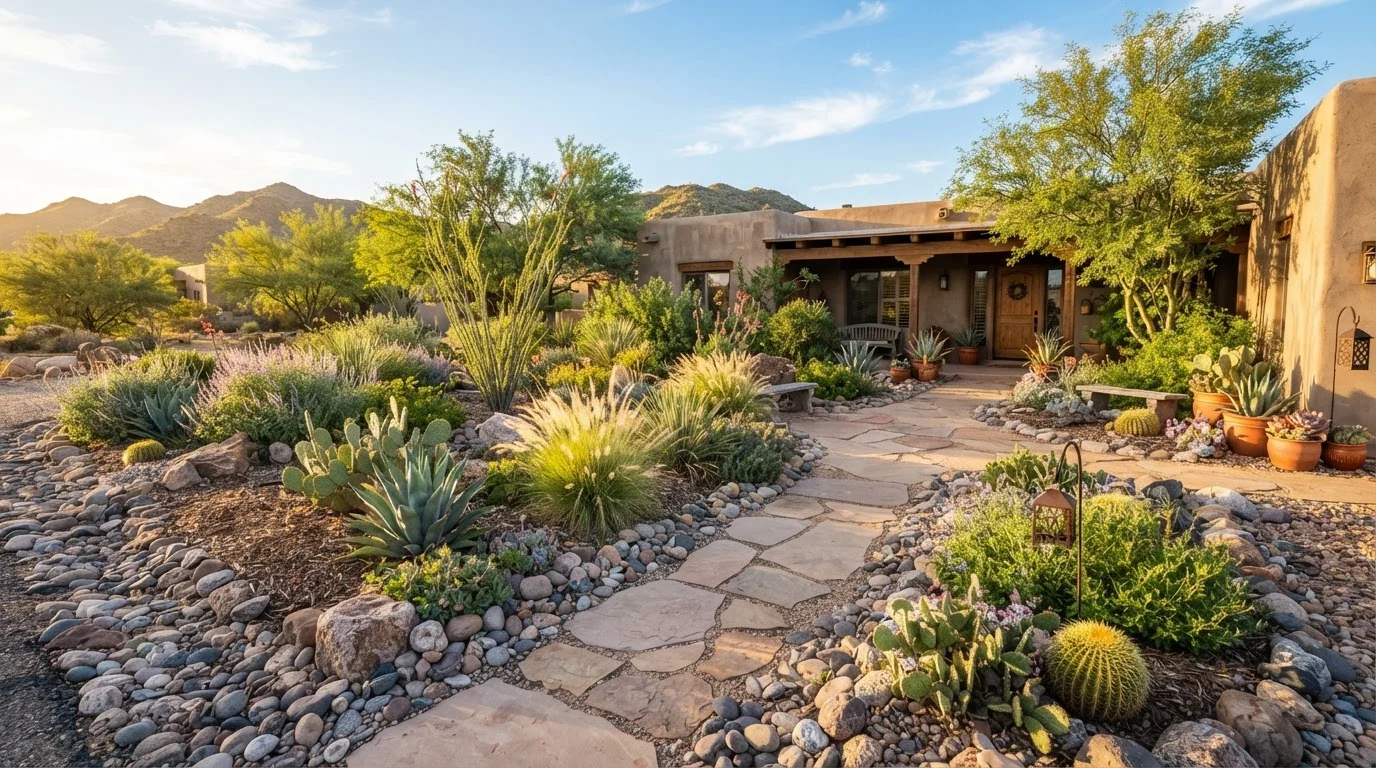
Photo: AdvisorBooth.net editorial
Key Takeaways
- Drought-tolerant landscaping applies to any climate, not just arid regions.
- Healthy, well-structured soil dramatically reduces how much water your yard needs.
- Choosing plants native or adapted to your region is the single most impactful step.
- A 2-4 inch layer of mulch can cut soil moisture loss significantly.
- Deep, infrequent watering builds stronger roots than daily shallow watering.
- Replacing even a portion of traditional lawn with low-water alternatives reduces maintenance and water use.
What Is Drought-Tolerant Landscaping?
Drought-tolerant landscaping - often called xeriscaping (from the Greek xeros, meaning dry) - is an approach to yard design that minimizes supplemental watering without sacrificing beauty or function. The goal isn't a gravel wasteland; it's a thoughtfully planted, well-managed outdoor space that works with your local climate rather than against it.
This approach matters beyond the American Southwest. Water restrictions, summer heat waves, and rising utility costs affect gardeners coast to coast. Applying even a few water-wise principles can meaningfully lower your outdoor water use and reduce ongoing yard work. For a broader look at low-effort outdoor spaces, see our low-maintenance landscaping guide.
30-60%
Outdoor water use as share of household total
The U.S. Environmental Protection Agency estimates that outdoor water use accounts for roughly 30 to 60 percent of a household's total water consumption, depending on region and season.
50%
Outdoor water wasted through inefficiency
According to the EPA's WaterSense program, as much as half of all residential outdoor water use is lost to evaporation, runoff, or overwatering.
2-4 in.
Recommended mulch depth for moisture retention
Extension horticulture specialists consistently recommend a 2-to-4-inch mulch layer as the practical range for reducing soil moisture loss without smothering plant roots.
Start with Soil: The Hidden Foundation
Before choosing a single plant, understand your soil. Sandy soils drain too quickly, leaving roots dry between waterings. Compacted clay soils shed water rather than absorbing it. Both conditions force you to water more often than necessary.
Improving soil structure with organic matter - compost being the most accessible option - helps the ground hold moisture longer and allows roots to penetrate deeply. A simple soil test (available through most cooperative extension offices) reveals your pH and nutrient levels, letting you amend purposefully rather than guessing.
Deep, healthy soil also means deeper roots. Plants that root down 12 or more inches tap into subsoil moisture that surface-rooted plants never reach, giving them a natural buffer during dry spells.
When amending clay soil, work compost in at least 8 inches deep rather than just topdressing. Surface-only amendments can actually create a barrier layer that traps water above it.
Before buying plants labeled 'drought tolerant,' check whether that rating applies after establishment - most need regular watering for the first one to two growing seasons before they can fend for themselves.
Plant Selection: Right Plant, Right Place
No single strategy saves more water than choosing plants naturally suited to your conditions. Native plants - those that evolved in your specific region - are already adapted to local rainfall patterns, soil types, and temperature swings. Once established, many need little to no supplemental irrigation.
When natives aren't available or practical for every spot, look for regionally adapted plants: species from climates similar to yours that tolerate similar conditions. Ornamental grasses, many salvias, lavender, coneflowers, and sedums perform reliably in a wide range of low-water settings.
Group plants by water need - a practice sometimes called hydrozoning. Placing thirsty plants together means you can irrigate that zone without overwatering drought-tolerant neighbors. This simple step prevents the common mistake of watering an entire yard to the needs of its thirstiest occupant.
If you're weighing different planting setups, our comparison of raised beds vs. in-ground gardens covers how each affects drainage, soil control, and water use.
Mulching and Ground Cover Strategies
Bare soil loses moisture rapidly through evaporation. A consistent layer of mulch - 2 to 4 inches deep - acts as insulation, slowing that loss and moderating soil temperature. It also suppresses weeds that compete with your plants for water.
Organic mulches like shredded bark, wood chips, or straw improve soil structure as they break down. Inorganic options like gravel or decomposed granite work well around succulents and plants that prefer excellent drainage. Avoid piling mulch directly against plant stems, which can trap moisture and encourage rot.
Ground covers offer a living alternative to mulch. Low-growing plants like creeping thyme, dymondia, or buffalo grass can replace bare soil or turf in areas where foot traffic is light. For more detail on mulch depth and material choices, see Mulching Done Right.
Watering Smarter, Not More
How you water matters as much as how often. Deep, infrequent watering encourages roots to grow downward in search of moisture, producing more resilient plants. Frequent shallow watering keeps roots near the surface, making plants more vulnerable to drought and temperature stress.
Drip irrigation and soaker hoses deliver water directly to root zones, minimizing evaporation and runoff compared to overhead sprinklers. Where sprinklers are used, early-morning watering reduces evaporation loss and helps foliage dry before nightfall, lowering disease risk.
Smart irrigation controllers - those that adjust watering schedules based on weather data or soil moisture sensors - can reduce outdoor water use noticeably compared to fixed timer systems. Our article on common watering myths explains why more frequent watering often backfires.
Reducing Lawn Area Without Losing Curb Appeal
Traditional turfgrass is among the most water-intensive elements in a typical American yard. Reducing lawn area - even partially - delivers one of the biggest water savings available to homeowners.
Replacing lawn sections with native plantings, permeable hardscaping (gravel paths, stepping stones), or drought-tolerant ground covers cuts irrigation demand while often reducing mowing and fertilizing as well. Defined garden beds with clear edging create a polished look that doesn't require a carpet of green grass to feel intentional and attractive.
If you garden in containers on a patio or balcony, keep in mind that pots dry out faster than in-ground plantings and require more frequent attention - a tradeoff our container gardening guide covers in detail.
The broader principle: a water-wise yard is a designed yard. Every element - from soil health to plant choice to irrigation method - reinforces the others. Start with one area, apply these principles, and expand from there as you see results.
The content on this site is for informational purposes only and is not a substitute for professional advice. Always consult a qualified professional for guidance specific to your situation.