
Low-Maintenance Landscaping Ideas for Busy Homeowners

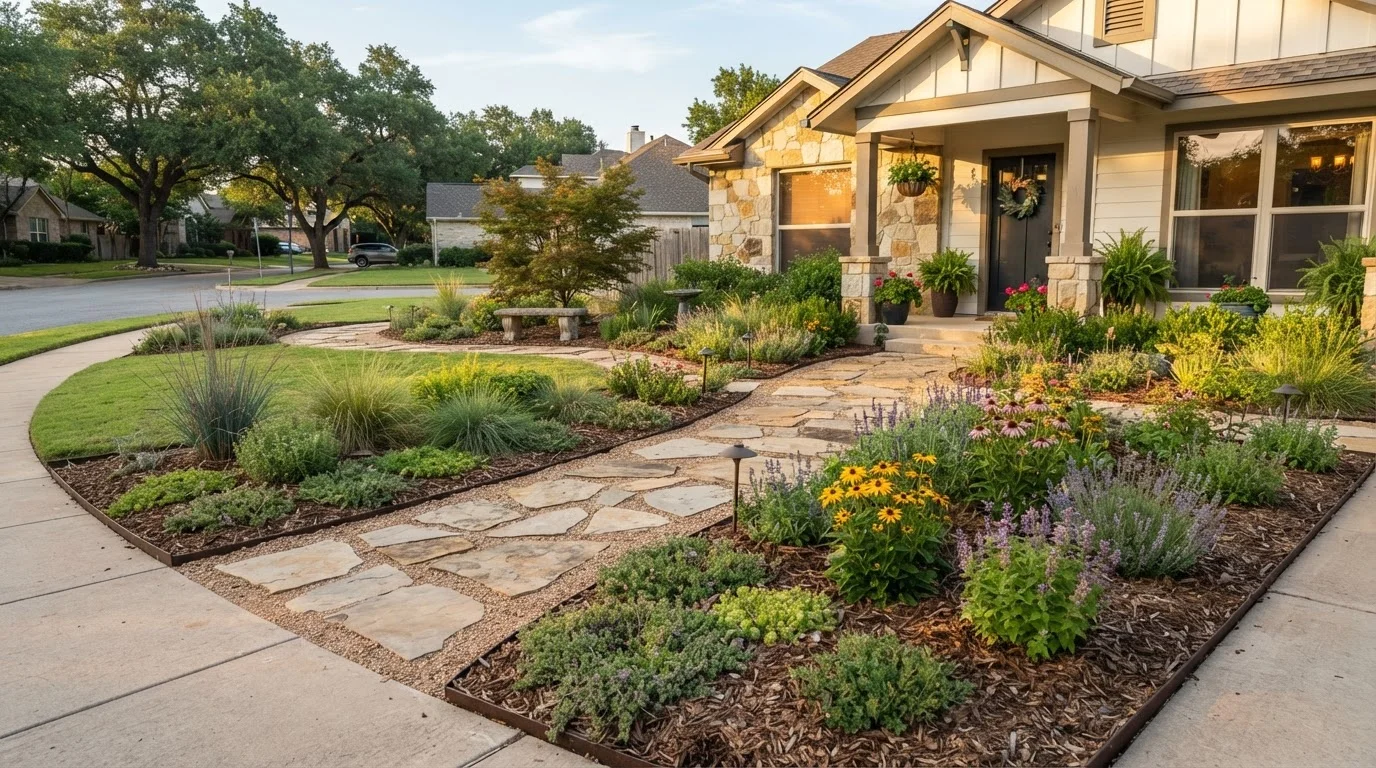
Photo: AdvisorBooth.net editorial
Key Takeaways
- Choosing perennials and native plants dramatically reduces replanting effort and watering needs.
- A 2-3 inch layer of mulch suppresses weeds and retains soil moisture with minimal upkeep.
- Drip irrigation and smart timers can automate watering and reduce water waste significantly.
- Groundcovers and hardscaping reduce the amount of lawn you need to mow and maintain.
- Right plant, right place is the single most important principle in low-maintenance landscaping.
Why Low-Maintenance Landscaping Is Worth Planning Carefully
A beautiful yard doesn't have to mean weekends lost to mowing, weeding, and watering. With intentional design choices - the right plants, smart infrastructure, and a few structural elements - you can have outdoor spaces that largely take care of themselves.
The ideas below aren't quick fixes. They're strategic investments that pay off in hours saved every season. Whether you have a sprawling suburban lot or a compact city yard, at least a few of these approaches will fit your situation. For a deeper look at water efficiency principles that complement almost every item on this list, see our guide to drought-tolerant landscaping.
Choose Perennials as Your Planting Backbone
Annuals deliver vivid seasonal color but require replanting every year - a significant labor cost over time. Perennials, by contrast, return on their own each growing season, and many spread to fill gaps in beds without any help from you. Once established, well-chosen perennials typically need only occasional division and light tidying.
Popular low-maintenance perennials for most U.S. regions include coneflowers (Echinacea), black-eyed Susans, ornamental grasses, and daylilies. Check with your local cooperative extension service for regionally appropriate varieties. Our article on perennials vs. annuals explores how to blend both for a yard that looks full all season.
Perennials return every season on their own, eliminating the annual replanting cycle entirely.
Plant Natives Suited to Your Region
Native plants evolved alongside local soils, rainfall patterns, and wildlife - which means they generally thrive without supplemental fertilizer, heavy irrigation, or intensive pest control. Once established (usually after one to two growing seasons), many native species are largely self-sustaining.
Beyond reducing your workload, native plantings support local pollinators. Our article on native plants vs. ornamental cultivars walks through what the research suggests about ecological value. Your state's native plant society or local extension office is a reliable source of species recommendations for your specific region.
Natives evolved to thrive in local conditions, needing far less water, fertilizer, and intervention.
Mulch Beds Deeply and Consistently
A 2-3 inch layer of organic mulch - shredded bark, wood chips, or leaf mulch - does three things at once: it suppresses weed germination, retains soil moisture, and moderates soil temperature. Each of those benefits directly reduces your workload: fewer weeds to pull, less frequent watering, and more resilient plants.
The key is getting the depth right. Too thin and weeds push through easily; too deep and you risk smothering shallow roots or inviting fungal issues. Keep mulch a few inches back from plant stems and tree trunks. For a thorough rundown of materials and technique, see our guide to mulching done right.
Two to three inches of mulch can cut weeding time dramatically while also conserving soil moisture.
Install Drip Irrigation or Smart Sprinkler Timers
Manual watering is one of the most time-consuming yard chores, and it's also one of the easiest to automate. Drip irrigation delivers water directly to the root zone, reducing evaporation and runoff compared to overhead sprinklers. Smart timer controllers can adjust schedules automatically based on recent rainfall or temperature data.
Even a basic battery-powered hose-end timer, set to water deeply and infrequently, will free up significant time and often improve plant health. For context on why deep, infrequent watering is generally better than daily light watering, our article on common watering myths explains the plant science behind root development.
Automated drip irrigation eliminates daily watering while delivering moisture more efficiently than hand-watering.
Replace Lawn Areas With Groundcovers or Hardscaping
Turf grass is arguably the most labor-intensive element of a traditional American yard - it needs mowing, edging, fertilizing, and regular watering. Reducing your lawn footprint is one of the highest-impact changes a busy homeowner can make.
Low-growing groundcovers such as creeping thyme, clover, or pachysandra can replace grass in areas that see light foot traffic, and most require little to no mowing. Hardscaping options - gravel paths, flagstone patios, decomposed granite beds - eliminate maintenance almost entirely in the zones they cover. The tradeoff is upfront installation effort or cost, but the long-term time savings are substantial.
Swapping even a portion of your lawn for groundcovers or hardscaping can eliminate hours of weekly mowing.
Apply the 'Right Plant, Right Place' Principle
Plants struggling against unsuitable conditions - too much shade, poor drainage, soil they weren't designed for - demand constant intervention to stay alive. Placing plants in conditions that match their natural preferences means they establish faster, resist pests more effectively, and need far less supplemental care.
Before purchasing any plant, check its requirements against your yard's actual conditions: sun exposure, soil type, drainage, and your USDA hardiness zone. This single habit prevents most of the remedial watering, fertilizing, and replanting that makes gardening feel like a chore. Your local cooperative extension service offers free, region-specific plant guides.
Matching plants to your yard's actual conditions is the single most effective low-maintenance strategy available.
Putting It All Together
The most effective low-maintenance landscapes combine several of these strategies at once. Start with plant selection - it influences every other decision - then layer in mulch, irrigation, and hardscaping as your budget and time allow. Small, phased changes tend to stick better than a full yard overhaul attempted in a single weekend.
Start Small, Then Expand
For broader home improvement projects that complement your outdoor upgrades, the same principle applies: thoughtful planning upfront means less remedial work later. And if you're new to composting as a way to feed your low-maintenance beds naturally, our guide to composting at home is a practical starting point.
The content on this site is for informational purposes only and is not a substitute for professional advice. Always consult a qualified professional for guidance specific to your situation.