
Companion Planting: Which Garden Pairings Actually Work and Why

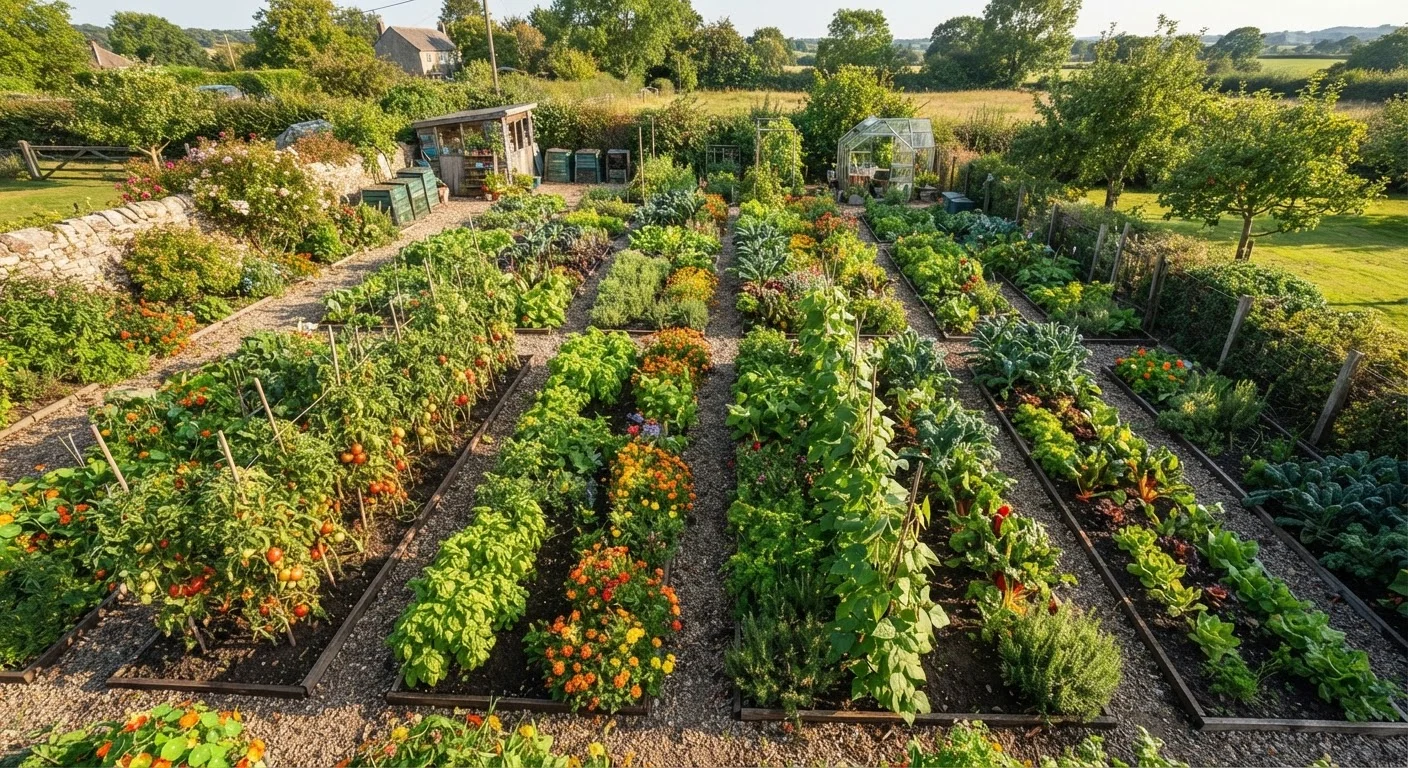
Photo: AdvisorBooth.net editorial
Key Takeaways
- Not all companion planting claims are equally supported - some pairings have strong evidence while others remain anecdotal.
- The 'Three Sisters' combination of corn, beans, and squash is one of the most documented and effective pairings.
- Marigolds release compounds that can suppress certain soil nematodes and may deter some above-ground pests.
- Basil planted near tomatoes is popular, but its pest-repelling effect is modest and not consistently proven in research.
- Good soil, adequate water, and sunlight still matter more than companion pairings alone.
The Idea Behind Companion Planting
Plants don't grow in isolation in nature - they evolve alongside other species, developing relationships that can be competitive or cooperative. Companion planting intentionally uses that biology. By pairing plants strategically, gardeners aim to reduce pest damage, improve pollination, enrich soil, or simply make better use of limited space.
The practice draws from both Indigenous agricultural traditions and modern horticultural science. Native American communities cultivated the "Three Sisters" - corn, beans, and squash - for centuries, intuitively applying principles that researchers would later study in detail. Today, the evidence behind individual pairings varies widely: some are well-documented, others remain largely anecdotal. A grounded approach means knowing the difference.
For gardeners thinking about how their plots are structured, it's also worth exploring raised beds vs. in-ground gardens, since bed type can influence how closely you're able to pair plants.
30-40%
Potential nematode reduction with French marigolds
Research published in horticultural science literature suggests dense plantings of French marigolds can reduce root-knot nematode populations meaningfully, though results vary by soil type and nematode species.
3,000+ years
Documented use of the Three Sisters system
Archaeological and ethnobotanical evidence indicates Indigenous peoples of North America cultivated corn, beans, and squash together for millennia before European contact.
~50%
Gardeners who practice some form of companion planting
Informal surveys of home gardeners consistently find companion planting among the most commonly adopted natural gardening practices, though approaches and knowledge levels vary widely.
Pairings With Real Evidence Behind Them
A handful of companion pairings stand out for having more than just folklore behind them:
- Three Sisters (corn, beans, squash): Corn provides vertical structure for beans to climb. Beans fix nitrogen in the soil, feeding their neighbors. Squash spreads broad leaves across the ground, shading out weeds and retaining moisture. Each plant provides something the others benefit from.
- Marigolds with tomatoes or peppers: French marigolds (Tagetes patula) release compounds from their roots that can suppress root-knot nematodes - a real soil pest problem in many gardens. Their scent may also deter some above-ground insects, though this effect is more variable.
- Nasturtiums as trap crops: Aphids are strongly attracted to nasturtiums, which can lure them away from more vulnerable crops like brassicas. This works best when you monitor and manage the nasturtiums actively rather than simply planting them and walking away.
- Dill and fennel near brassicas (with caveats): Dill can attract beneficial predatory wasps that prey on cabbage worms - but mature dill can also inhibit nearby plants, so timing and spacing matter. Fennel itself is one of the worst companions in the garden and should generally grow in its own dedicated spot.
Pairings That Are More Myth Than Method
Companion planting lore is full of claims that sound appealing but lack consistent support. Basil planted next to tomatoes is perhaps the most widely repeated pairing in American home gardening - the idea being that basil's aromatic oils repel tomato hornworms and whiteflies. Field studies, however, have not reliably confirmed this effect. Basil is still a great plant to grow near tomatoes (they share similar water and light needs, and you'll use them together in the kitchen), but expecting measurable pest control is probably optimistic.
Similarly, planting garlic near roses to deter aphids is a popular recommendation with limited experimental backing. Garlic does have antifungal properties in concentrated extracts, but simply growing it nearby may not deliver those effects to neighboring plants in any meaningful way.
That doesn't mean these pairings cause harm - most are neutral. The issue arises when gardeners rely on them instead of proven integrated pest management practices. Good soil health and appropriate watering remain the foundation. Our guide on common watering myths is a useful companion read for understanding what actually drives plant health.
How to Apply Companion Planting Practically
You don't need to redesign your entire garden around companion planting to benefit from it. A few strategic decisions each season can make a real difference:
- Start with known performers. Plant marigolds throughout your vegetable beds every season. Use nasturtiums as a border or sacrifice crop. Grow beans alongside corn if your space allows.
- Think in guilds, not pairs. Rather than focusing on two-plant combinations, think about small plant communities - a central vegetable surrounded by herbs, flowers, and groundcovers that each contribute something different.
- Rotate companions with crops. Companion planting works best alongside crop rotation. Moving plant families around the garden each year disrupts pest cycles and prevents soil nutrient depletion.
- Observe and adapt. Keep a simple garden journal. Note which combinations seemed to reduce pest damage or improve yields, and which didn't. Your specific soil, climate, and pest pressure are variables no general guide can fully account for.
If you're thinking about expanding your garden with additional planting approaches, our overview of perennials vs. annuals can help you plan a more layered, resilient landscape over time. Supporting pollinators through smart plant selection - explored in our article on native plants vs. ornamental cultivars - is another dimension worth integrating into your companion planting strategy.
Frequently Asked Questions
The content on this site is for informational purposes only and is not a substitute for professional advice. Always consult a qualified professional for guidance specific to your situation.