
Perennials vs. Annuals: Planning a Garden That Blooms Year After Year

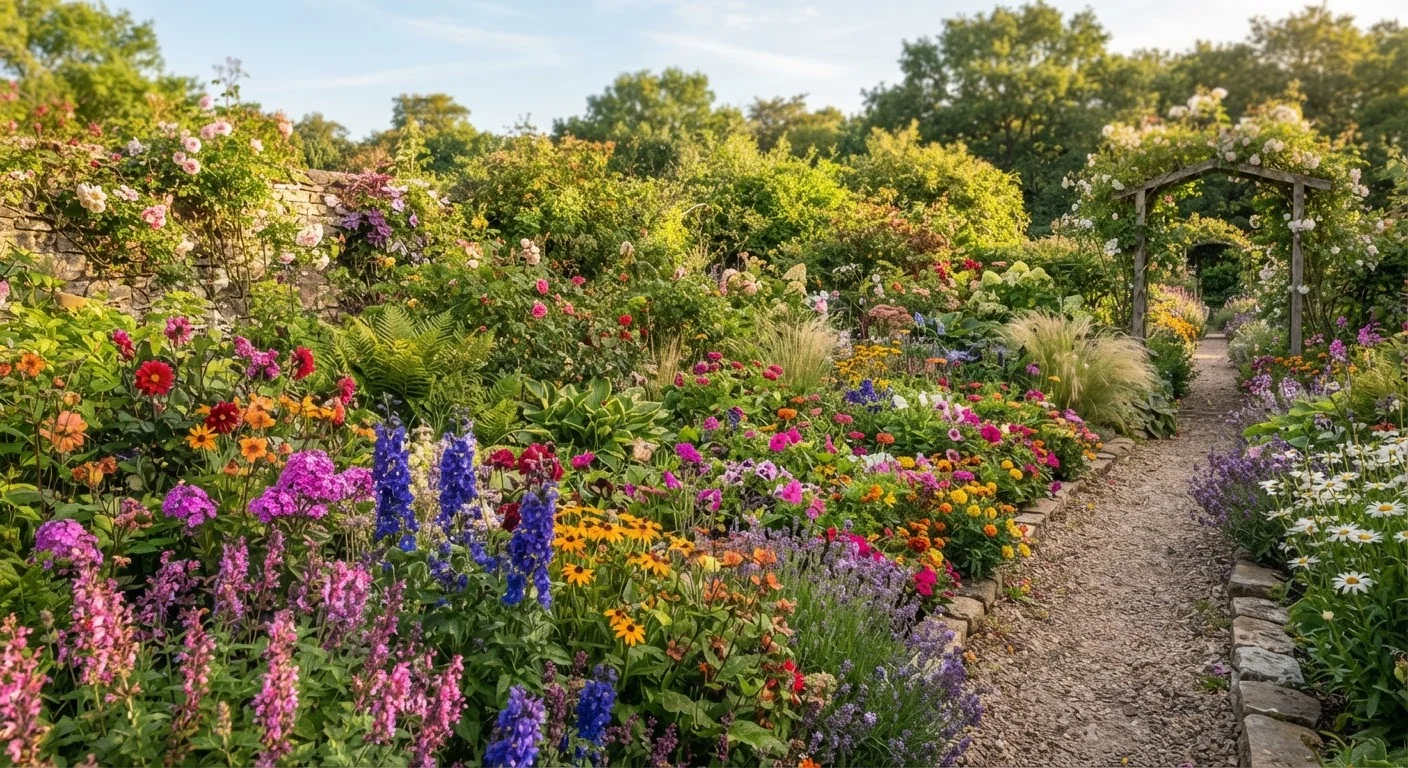
Photo: AdvisorBooth.net editorial
Key Takeaways
- Perennials return each year from established roots, reducing replanting costs and effort over time.
- Annuals complete their life cycle in one season, offering vivid, long-lasting color with flexibility.
- Combining both types gives you a garden with a reliable structure plus seasonal variety.
- Perennials generally require more upfront investment; annuals cost less per plant but add up yearly.
- Understanding bloom windows helps you schedule color so your garden is never bare.
What Makes a Plant a Perennial or an Annual?
The distinction is rooted in how each plant completes its life cycle. Annuals germinate, flower, set seed, and die within a single growing season. They put nearly all their energy into flowering, which is why they tend to bloom relentlessly from planting until frost. Common examples include marigolds, zinnias, impatiens, and petunias.
Perennials, by contrast, survive winter by storing energy in their roots, crowns, or bulbs, then re-emerge the following spring. They typically bloom for a shorter window each season - often two to six weeks - but they build stronger root systems and spread or multiply over time. Coneflowers, black-eyed Susans, daylilies, and hostas are familiar examples across American gardens.
A third category worth knowing: biennials (such as foxglove and hollyhock) complete their cycle over two years, flowering in year two before dying. They're less common but behave like short-lived perennials in mixed plantings.
Understanding these fundamentals shapes every planning decision you'll make, from budget to bed layout. For a broader look at how planting format affects your choices, see our guide to raised beds vs. in-ground gardens.
Cost, Commitment, and Long-Term Value
Perennials typically cost more per plant at purchase, but that investment spreads across many years. Once established - usually after two to three seasons - most perennials need little beyond seasonal cleanup, division every few years, and basic fertilization. Their spreading habit means you can divide mature clumps to fill new areas at no added cost.
Annuals are inexpensive individually but must be repurchased every season. Across a large bed, that recurring cost adds up. They also demand more labor: pulling spent plants in fall, amending soil, and replanting each spring. That said, annuals let you completely reimagine your garden's color palette from year to year - a meaningful advantage for gardeners who enjoy variety or are still experimenting with design.
| Perennials | Annuals | |
|---|---|---|
| Lifespan | Returns yearly from roots | One growing season only |
| Bloom duration per season | 2-6 weeks typically | Spring through frost |
| Upfront cost | Higher per plant | Lower per plant |
| Long-term cost | Lower (no annual repurchase) | Higher (replant each year) |
| Labor after establishment | Minimal seasonal cleanup | Full replanting each season |
| Design flexibility | Fixed placement; spreads over time | Change color/style every year |
| Best use in a bed | Structural backbone | Gap filler and color accent |
If minimizing ongoing work is a priority, pairing a perennial backbone with a few annuals for accent color often delivers the most value. Our low-maintenance landscaping guide explores complementary strategies for reducing garden upkeep without losing curb appeal.
Designing for Continuous Color
The most common complaint among perennial gardeners is the "bloom gap" - periods when nothing is flowering. Since most perennials bloom for only a few weeks, thoughtful sequencing is essential. Aim to have at least one plant blooming in each month of your growing season by layering early, mid, and late bloomers.
A simplified bloom calendar might look like this:
- Early spring: Creeping phlox, bleeding heart, Virginia bluebells
- Late spring / early summer: Salvia, catmint, iris, peony
- Midsummer: Coneflower, black-eyed Susan, daylily, bee balm
- Late summer / fall: Aster, sedum, goldenrod, rudbeckia
Fill the gaps with annuals strategically. A row of salvias or cosmos between perennial clumps keeps beds looking full during transition periods. This combination approach - perennial structure plus annual filler - is how professional garden designers achieve that lush, "always something blooming" look.
Plan Your Bloom Calendar Before You Plant
Pollinators benefit greatly from a diverse, season-long bloom sequence. For more on choosing plants that genuinely support bees and butterflies, read our comparison of native plants vs. ornamental cultivars.
Practical Tips for Combining Both in One Garden
A mixed planting strategy works best when you approach it with clear intention rather than planting whatever looks appealing at the nursery. A few principles that help:
- Anchor with perennials. Place larger, long-lived perennials at the back or center of beds as your structural layer. These define the garden's shape year after year.
- Use annuals as flexible color blocks. Plant annuals in gaps between perennials or at bed edges where you want season-long saturation. Swap them out each year to keep the look fresh.
- Account for mature size. Perennials spread - give them room so annuals aren't crowded out within a season or two.
- Group by water needs. Annuals often need more frequent watering than established perennials. Separating them by water requirements reduces wasted effort and keeps both healthy.
Container gardens offer another way to experiment with annuals without committing bed space. See our overview of container gardening tradeoffs for a fuller picture of that approach. And if you're curious about which plant combinations genuinely support each other, our companion planting guide covers what the evidence actually shows.
The content on this site is for informational purposes only and is not a substitute for professional advice. Always consult a qualified professional for guidance specific to your situation.