
Starting a Vegetable Garden From Scratch

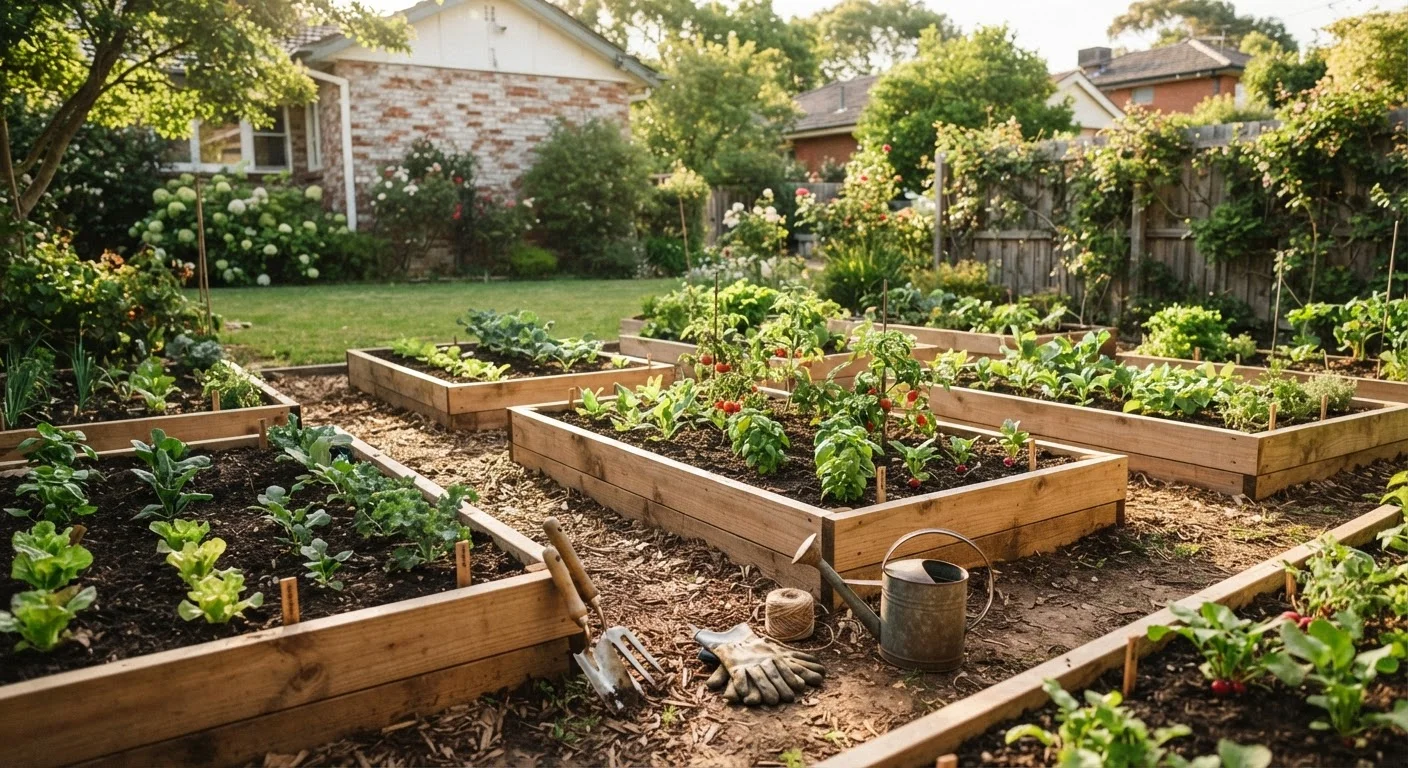
Photo: AdvisorBooth.net editorial
Key Takeaways
- Most vegetables need at least 6-8 hours of direct sunlight daily to produce well.
- Starting small - even a 4×4-foot bed - reduces overwhelm and builds real skills.
- Healthy, well-amended soil is the single most important factor in garden success.
- Easy crops like lettuce, radishes, and green beans build beginner confidence fast.
- Consistent, deep watering encourages strong root development and healthier plants.
Choosing the Right Spot
Sun is non-negotiable for most vegetable crops. Walk your yard on a clear day and observe which areas receive direct sunlight for the longest stretch. Most vegetables - tomatoes, peppers, squash, beans - need at least 6 to 8 hours of unobstructed sunlight daily. Leafy greens like spinach and lettuce are more forgiving and can manage on 4 to 6 hours.
Beyond light, consider these practical factors:
- Proximity to water: A location close to a hose bib or rain barrel saves you hauling watering cans across the yard.
- Level ground: Slopes cause water to run off before it soaks in. A flat or gently sloping site drains without losing moisture.
- Away from large trees: Tree roots compete aggressively for water and nutrients, and overhanging branches create unwanted shade.
Location affects maintenance habits
Keep your first garden close to the house if possible. Research on home gardening habits consistently shows that proximity to the kitchen door correlates with how regularly people tend their plants - and how quickly they harvest.
Planning Your Garden Layout
Before you break ground, sketch a simple layout on paper. This prevents the common beginner mistake of planting too much, too close together. A 4×8-foot raised bed is an ideal starting size - large enough to grow a meaningful variety, small enough to manage on weekends.
Think in terms of plant spacing and mature height. Tall plants like corn or staked tomatoes should sit on the north side of your garden so they don't shade shorter neighbors. Group plants with similar water needs together to simplify irrigation.
If your yard is limited, don't count yourself out. Our guide to container gardening advantages and limitations covers how pots and planters can open up options on patios, balconies, and small lots - along with the real trade-offs involved.
Preparing the Soil
Soil preparation is the step beginners most often skip - and the one that matters most. Vegetables need loose, nutrient-rich, well-draining soil to develop healthy root systems. Native soil straight from your yard is rarely sufficient on its own.
Here's a straightforward preparation process:
- Clear the area of grass, weeds, and debris.
- Loosen the top 10-12 inches of soil with a garden fork or tiller to break up compaction.
- Amend generously - work in 2 to 4 inches of compost to improve texture, drainage, and fertility.
- Test your soil pH if possible; most vegetables prefer a pH between 6.0 and 7.0. Inexpensive test kits are widely available at garden centers.
Building compost at home is one of the most cost-effective ways to improve soil over time. See our guide on composting kitchen scraps into garden gold for a practical starting point.
Start with a soil test
Selecting and Planting Your Vegetables
Choose crops matched to your local climate and your household's eating habits. Growing food you actually enjoy eating keeps the project rewarding. For most beginners, a strong first-year lineup might include:
- Radishes - ready to harvest in as few as 25 days; great for building early momentum.
- Lettuce and salad greens - cut-and-come-again varieties provide weeks of harvests from a single planting.
- Green beans (bush type) - straightforward to grow, no staking required, and highly productive.
- Cherry tomatoes - more forgiving than large slicing varieties; prolific producers through summer.
- Zucchini - nearly foolproof in warm weather, though one or two plants is plenty for most families.
Pay attention to seed packet or transplant label instructions for spacing, planting depth, and days to maturity. Overcrowding is one of the most common beginner errors - cramped plants compete for resources and become more vulnerable to disease.
Check your region's last frost date before putting warm-season crops in the ground. The USDA Plant Hardiness Zone map is a reliable free reference for understanding your local growing window.
Watering, Feeding, and Ongoing Care
Once planted, consistent care keeps your garden productive. The goal with watering is to encourage roots to grow deep, which makes plants more resilient during dry spells. Water deeply and less frequently - roughly once or twice per week in the absence of rain - rather than giving plants a light sprinkle every day.
A simple finger test works well: push your finger 2 inches into the soil near the base of a plant. If it feels dry at that depth, water thoroughly. If it still feels moist, wait another day.
For feeding, compost-amended soil often provides enough nutrition for the first season. If plants look pale or growth stalls mid-season, a general-purpose vegetable fertilizer can help - follow label directions carefully and avoid over-application, which can harm plants and nearby soil.
Other routine tasks that pay off:
- Weeding early and often - weeds compete directly with your vegetables for water and nutrients. Pull them when small before they establish.
- Mulching - a 2-inch layer of straw or wood chip mulch around plants retains moisture, suppresses weeds, and moderates soil temperature.
- Harvesting regularly - picking vegetables at their peak encourages plants to keep producing rather than putting energy into seed development.
Gardening connects closely to how we think about food and nutrition at home. If you're growing vegetables partly to eat better, our beginner's guide to nutrition offers a straightforward look at building healthy eating habits alongside your garden.
Frequently Asked Questions
The content on this site is for informational purposes only and is not a substitute for professional advice. Always consult a qualified professional for guidance specific to your situation.