
Nutrition for Beginners: A No-Jargon Starting Point

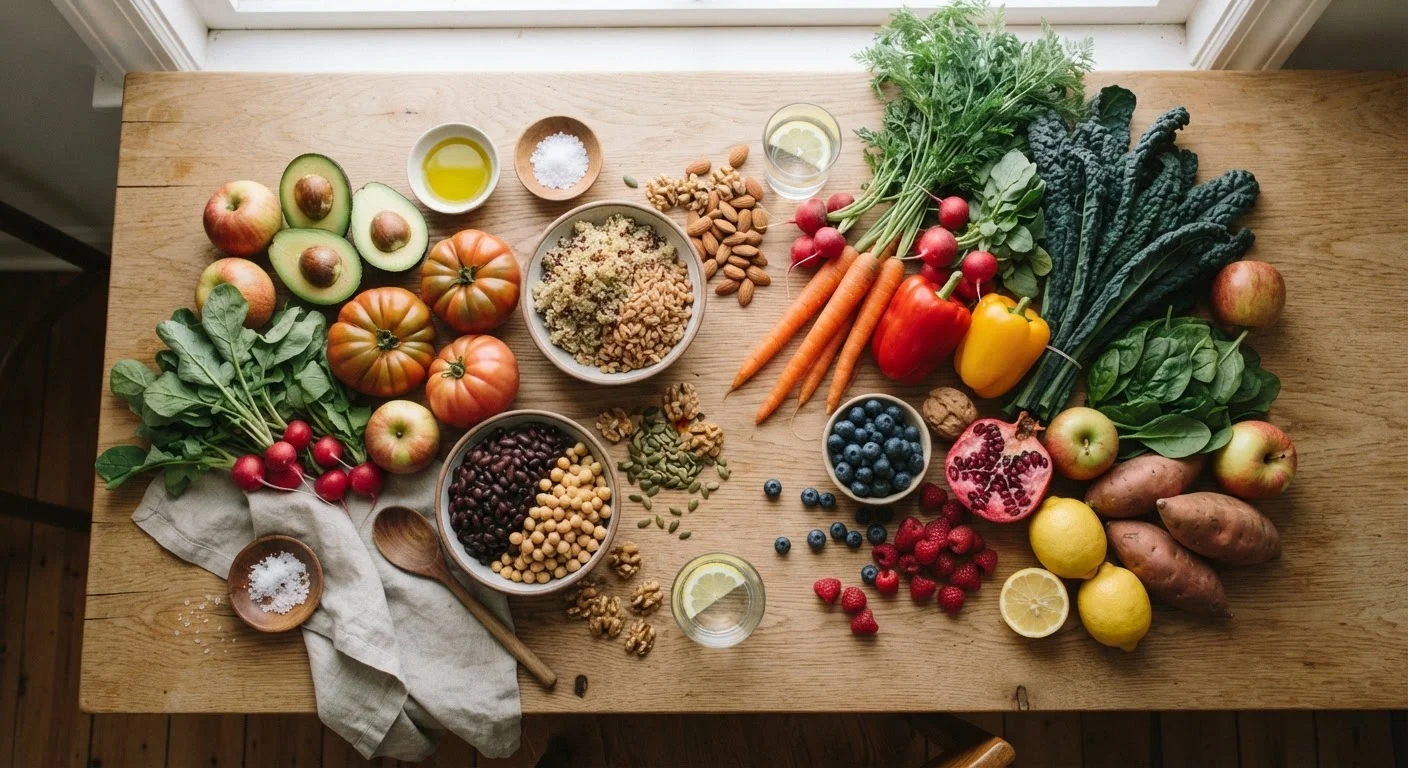
Photo: AdvisorBooth.net editorial
Key Takeaways
- Nutrition science is complex, but a few foundational ideas go a long way for beginners.
- Macronutrients - carbohydrates, proteins, and fats - are the main sources of energy in food.
- Micronutrients like vitamins and minerals support essential body functions in small amounts.
- Eating patterns over time matter more than any single food choice.
- No single food is a superfood, and no single food is entirely off-limits in the big picture.
Why Nutrition Feels So Confusing
If you've ever felt overwhelmed by conflicting advice about what to eat, you're not alone. One headline warns against fat; another rehabilitates it. A popular diet cuts carbs entirely; a new study suggests whole grains are essential. This noise isn't random - it reflects the genuine complexity of nutrition science, layered on top of a food industry with commercial interests and a media landscape that rewards dramatic claims.
The good news: you don't need to follow every debate to eat reasonably well. A handful of foundational concepts, understood clearly, can cut through most of the confusion. This guide covers those concepts in plain language - no specific meal plans, no rules to memorize, and no pressure.
A note on this guide's scope
This article is for general health information only. It is not medical or dietary advice. For personalized guidance - especially if you have a health condition - please consult a qualified healthcare professional or registered dietitian.
The Building Blocks: Macronutrients Explained
Macronutrients
The three main nutrients - carbohydrates, proteins, and fats - that your body uses in relatively large amounts, primarily for energy and growth.
Micronutrients
Vitamins and minerals needed in smaller quantities that support essential body functions like immunity, bone health, and metabolism.
Fiber
A type of carbohydrate found in plant foods that your body can't digest for energy but that supports digestive health and helps you feel full.
Amino Acids
The smaller building blocks that make up proteins; some must come from food because the body can't produce them on its own.
Unsaturated Fats
A category of dietary fat - found in foods like olive oil, nuts, and avocados - generally associated with heart health when eaten as part of a balanced diet.
Whole Foods
Foods that are minimally processed and close to their natural state, such as fresh vegetables, fruits, legumes, and whole grains.
Every food you eat contains some combination of three macronutrients - the nutrients your body uses in the largest amounts, primarily for energy:
- Carbohydrates are the body's preferred quick-energy source. They appear in grains, legumes, fruits, vegetables, and many processed foods. Fiber - a type of carbohydrate - isn't digested for energy but plays a vital role in digestive health and is found in whole plant foods.
- Proteins are made of amino acids and are essential for building and repairing tissues, making enzymes, and supporting immune function. Sources include meat, poultry, fish, eggs, dairy, legumes, tofu, and nuts.
- Fats support brain function, hormone production, and the absorption of certain vitamins. Unsaturated fats (found in olive oil, avocados, nuts, and fatty fish) are generally associated with better health outcomes than heavily processed trans fats, which are now largely removed from the U.S. food supply.
No single macronutrient is villainous. The source, processing level, and overall dietary context shape how each one affects your health. To separate fact from popular myths, our article on nutrition myths and what the evidence actually says is a helpful companion read.
Micronutrients: Small Nutrients, Big Impact
Micronutrients - vitamins and minerals - are needed in smaller amounts than macronutrients, but they're essential to almost every process in your body, from immune defense to bone strength to energy metabolism.
You don't need to track every micronutrient individually. Eating a varied diet - one that includes vegetables, fruits, whole grains, legumes, and proteins from different sources - naturally covers most bases for most people. When variety is limited or absorption is affected by health conditions, gaps can develop. That's worth discussing with a healthcare provider.
For a practical breakdown of specific vitamins and minerals and where to find them in everyday food, see our reference guide on vitamins and minerals - what each one does and where to find it.
Reading Food Patterns, Not Just Food Labels
Food labels can be useful, but they can also send beginners down a rabbit hole of numbers. A more durable skill is learning to recognize patterns in your eating rather than optimizing individual meals.
Research consistently links certain broad patterns to better long-term health outcomes: diets rich in vegetables, fruits, whole grains, legumes, nuts, and lean or plant-based proteins; diets moderate in dairy and seafood; and diets low in heavily processed foods, added sugars, and excess sodium. No single food defines these patterns - it's the overall composition over weeks and months that counts.
Budget and gardening can support healthy eating
If you're also thinking about how to eat this way without stretching your budget, our article on eating well on a budget covers practical strategies. And if you're curious about growing some of your own food, starting a vegetable garden from scratch is a beginner-friendly place to start.
Where to Go from Here
Learning about nutrition is a gradual process, not a one-time download. The most helpful next steps are usually small and concrete: getting familiar with the terms you encounter on labels and in health articles, building awareness of what different food groups actually offer, and keeping skepticism handy when any source promises dramatic results.
Our plain-language glossary of nutrition terms is a good quick reference when unfamiliar vocabulary comes up. And if you're thinking about other pillars of wellbeing alongside food, mental wellness from the ground up offers a similarly grounded starting point.
The goal isn't perfection - it's building a little more understanding, one idea at a time.
This article is for general informational and educational purposes only and does not constitute medical or dietary advice. Please consult a qualified healthcare professional or registered dietitian for guidance specific to your health needs.
Frequently Asked Questions
The content on this site is for informational purposes only and is not a substitute for professional advice. Always consult a qualified professional for guidance specific to your situation.