
Eating Well on a Budget: Practical Principles That Actually Work

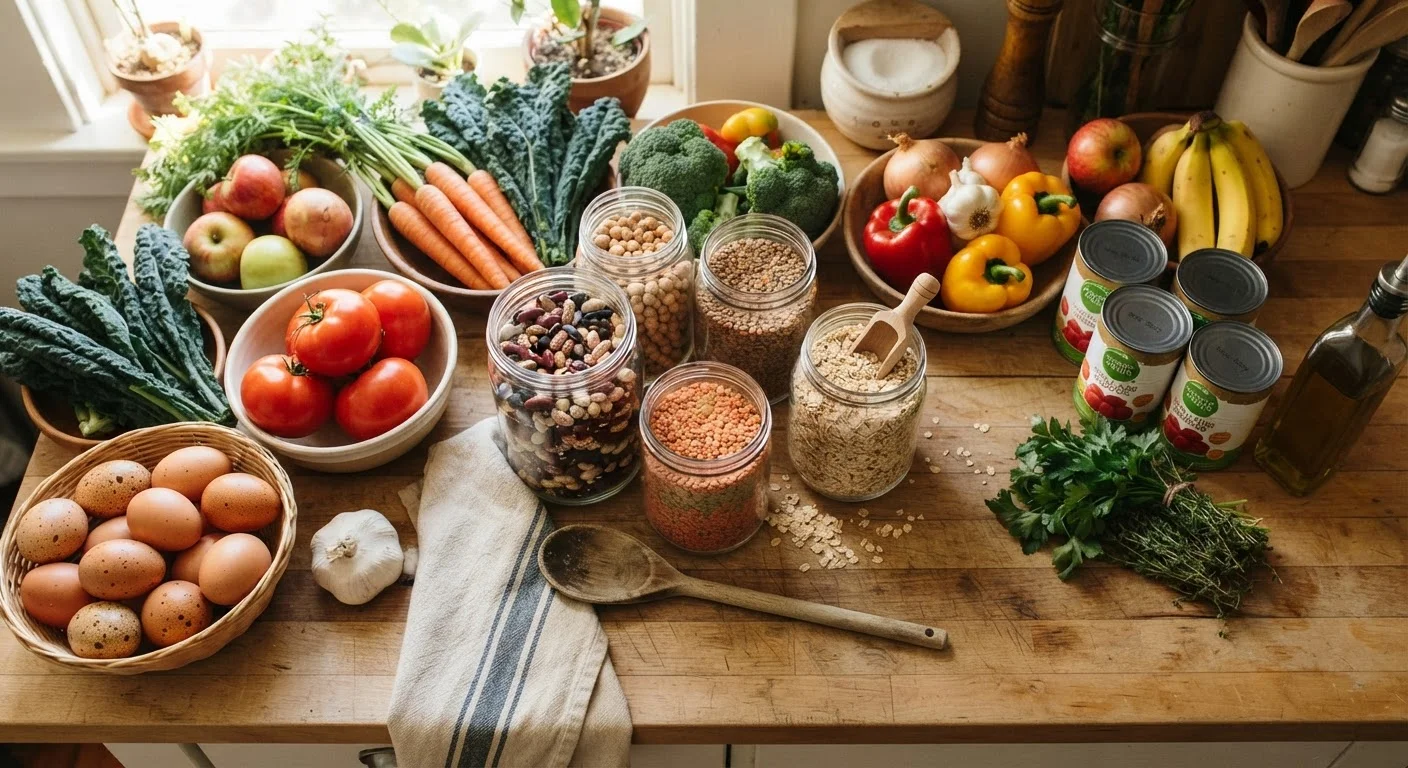
Photo: AdvisorBooth.net editorial
Key Takeaways
- Affordable staples like beans, lentils, oats, and eggs deliver strong nutritional value at low cost.
- Meal planning before grocery shopping reduces food waste and impulse spending significantly.
- Buying shelf-stable items in bulk is one of the most reliable ways to lower per-meal costs.
- Store-brand and frozen produce options are nutritionally comparable to their pricier counterparts.
- Cooking more meals at home - even simple ones - is consistently more cost-effective than convenience food.
The Budget vs. Nutrition Myth
There's a persistent belief that eating well is a luxury - that nutritious food costs more, takes longer, and requires access to specialty stores. The reality is more nuanced. While food insecurity is a genuine challenge for many Americans, a significant portion of the "eating healthy is expensive" problem comes down to habit, planning, and a few key strategies rather than income alone.
If you're new to thinking about food and nutrition more broadly, our beginner's guide to nutrition is a good foundation before diving into the budget piece. Once you understand what your body generally needs, it's much easier to shop with purpose.
This article isn't about counting every calorie or following a specific plan. It's about practical principles that help you get more nutritional value out of every food dollar - without sacrificing enjoyment or variety.
Build Your Meals Around High-Value Staples
Some of the most nutrient-dense foods available are also among the least expensive. Dried beans, lentils, split peas, oats, eggs, canned fish, frozen vegetables, and whole grains like brown rice or barley consistently deliver protein, fiber, vitamins, and minerals at a fraction of the cost of trendy superfoods.
Center meals around legumes and whole grains as your primary protein and carbohydrate sources.
Choose frozen vegetables and fruits without hesitation.
Opt for store-brand or generic versions of pantry staples.
Cook larger batches and repurpose leftovers across multiple meals.
Use eggs as a versatile, affordable protein anchor.
These staples also tend to be shelf-stable, meaning less waste - which is effectively money saved. If you want to understand how whole foods differ from processed options, that distinction can help you prioritize where your dollars go.
Plan Before You Shop
One of the highest-impact habits for budget-conscious eaters is simple: plan your meals before stepping into the store. Without a plan, it's easy to overbuy perishables, ignore pantry staples, and reach for convenience items that cost significantly more per serving.
A weekly meal plan doesn't need to be elaborate. Even a rough outline - five dinners, a few lunch ideas, and a short ingredient list - can dramatically reduce both spending and food waste. Our weekly meal planning checklist walks through a practical approach to nutritional balance while keeping things manageable.
Once you have a plan, your grocery run becomes more efficient too. For habits that make store visits less costly, smart grocery shopping strategies can complement your planning routine.
Buy in Bulk Strategically, Not Blindly
Bulk buying gets a lot of praise - and for good reason. Per-unit costs on pantry staples like dried grains, legumes, nuts, and canned goods are almost always lower when purchased in larger quantities. But bulk buying only saves money when items actually get used before they expire or go stale.
A Note on Bulk Buying and Waste
The key is buying in bulk only for items you genuinely use regularly. A systematic approach helps - our guide on stocking a pantry without waste lays out a practical framework for this. Fiber-rich staples like oats, beans, and whole grains are especially good bulk candidates, and they're central to what most Americans are already missing in their diets.
~$1,500
Annual food waste cost per U.S. household
Research published by the USDA Economic Research Service estimates the average American household discards a significant portion of purchased food, with some analyses placing annual household losses around this figure.
3-4x
Cost difference: dried vs. canned vs. restaurant beans
Nutritional and cost comparisons consistently show dried legumes cost a fraction of restaurant or prepared versions of the same foods, making them one of the highest-value budget staples available.
Rethink Where You Spend and Where You Save
Not all food dollars have the same return. Fresh herbs bought weekly may go unused; a small jar of dried herbs lasts months. Premium cuts of meat may be less practical than eggs or canned sardines for daily protein needs. Store-brand canned tomatoes and frozen spinach are nutritionally comparable to their name-brand counterparts.
It's also worth recognizing that convenience foods - pre-cut vegetables, single-serve packets, pre-marinated proteins - charge a significant premium for time savings. Sometimes that trade-off is worth it. But understanding the cost difference helps you make the call consciously rather than by default.
Budget-friendly eating fits into a broader picture of managing money thoughtfully. The principles here connect to wider saving strategies and budgeting basics that apply across spending categories, not just groceries.
This article is for general informational purposes only and does not constitute medical or dietary advice. For guidance specific to your health needs, consult a qualified healthcare professional or registered dietitian.
The content on this site is for informational purposes only and is not a substitute for professional advice. Always consult a qualified professional for guidance specific to your situation.