
Pantry Stocking Done Right: A Framework for Buying in Bulk Without Waste

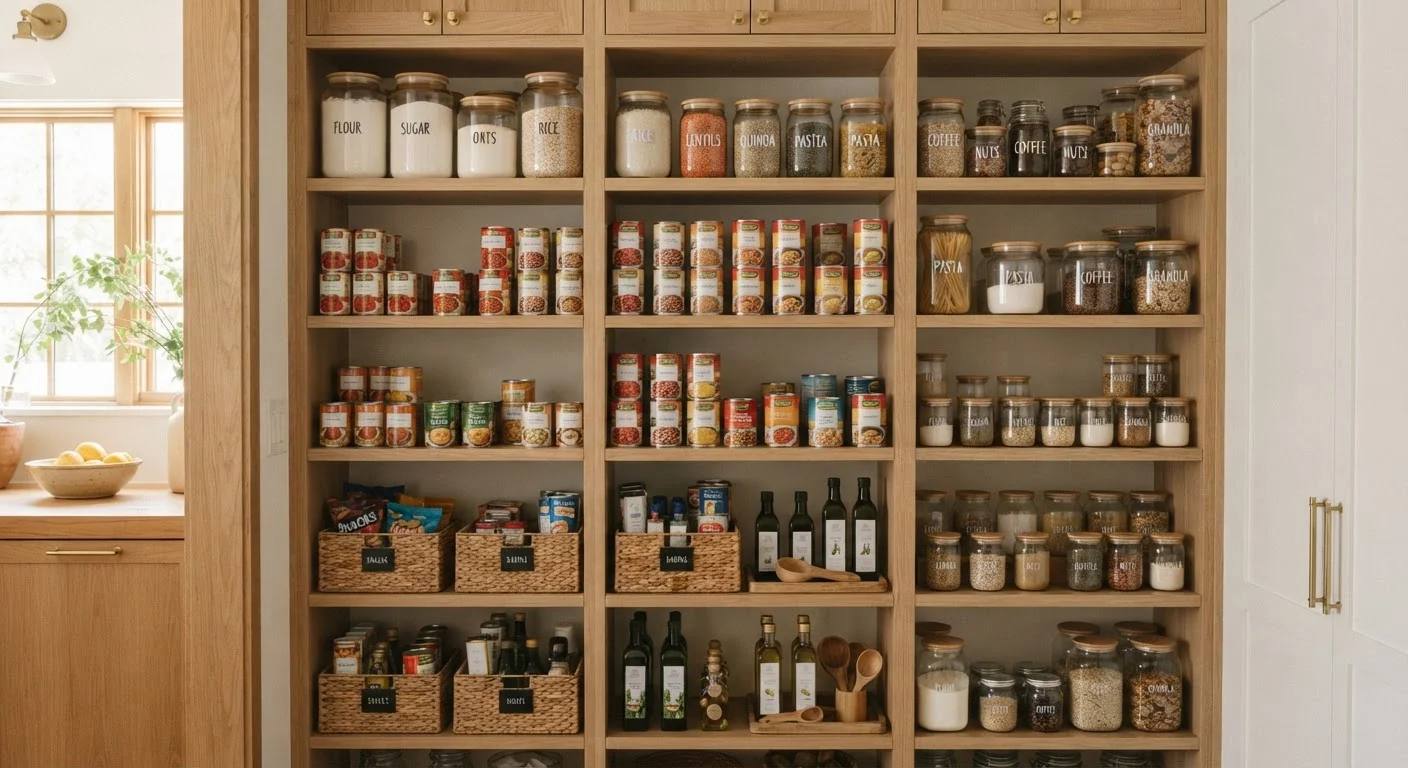
Photo: AdvisorBooth.net editorial
Key Takeaways
- Only buy in bulk items your household actually uses regularly and consistently.
- Calculate cost-per-unit, not just package price, to evaluate true value.
- Rotate stock using the FIFO method to minimize spoilage and food waste.
- Audit your pantry before each bulk shopping trip to avoid overbuying.
- Proper storage containers dramatically extend the shelf life of dry goods.
Why Bulk Buying Goes Wrong
Buying in bulk has a solid reputation as a money-saving strategy - and it can be. But most households that try it run into the same frustrations: expired cans pushed to the back of the shelf, five pounds of lentils nobody touched, and a pantry so overstuffed you can't find anything. The problem isn't bulk buying itself. It's the absence of a system.
The savings only materialize when you actually use what you buy. A $12 jug of olive oil is a great deal - unless it goes rancid after six months because your household goes through a bottle every year, not every two months. Food waste is one of the most overlooked budget leaks in the American household. Before you load up a cart, the framework below will help you shop with intention.
For broader context on building spending-less habits into your daily life, see our complete guide to everyday saving strategies.
What You'll Need Before You Start
Getting set up properly makes the difference between a pantry that works and one that creates chaos. Gather these before your first organized bulk trip.
What you will need
Airtight food storage containers
Keep dry bulk goods like grains, flour, and legumes fresh and pest-free for significantly longer.
Permanent marker or label maker
Date and identify containers so you always know what's inside and when it was stored.
Shelf or cabinet organizer inserts
Maximize vertical space and keep canned goods and jars visible and accessible.
Pantry inventory list (paper or app)
Track current stock levels so you don't over-purchase or forget what you already have.
How to Build Your Bulk-Buying System
Follow these steps in order. Each one builds on the last, so skipping ahead tends to recreate the same problems you started with.
Audit your current pantry first
Before spending a dollar on bulk items, do a full inventory of what you already have. Pull everything out, check expiration dates, and discard anything past its prime. Group items by category - canned goods, grains, spices, condiments - and note what's low. This gives you a real baseline and prevents buying items you already have in surplus.
Identify your household's true staples
Make a list of items your household uses consistently - not occasionally. A staple is something you reach for multiple times per month, every month. Think dried pasta, canned tomatoes, oats, rice, beans, coffee, or cooking oil. Items you use rarely are not bulk candidates, no matter how good the deal looks. Ask yourself: Will we realistically use all of this before it expires?
Calculate cost-per-unit, not total price
A large package is only a good deal if its cost per unit (per ounce, per sheet, per serving) is lower than the standard size. Divide the total price by the quantity. Many retailers display this on the shelf tag, but it's worth verifying the math yourself - unit prices aren't always lower for the bigger size. This is the single most important calculation in bulk shopping.
For a broader look at grocery habits that stretch your food budget, see our article on smart grocery shopping routines.
Assess your storage capacity honestly
Measure your available pantry space before buying large quantities. Overcrowded shelves make it hard to see what you have, leading to forgotten items that expire. If you don't have room for a 25-pound bag of rice right now, buying it anyway defeats the purpose. Consider home organization strategies if storage is a persistent bottleneck.
Transfer, label, and date everything
Once you're home, transfer dry goods into airtight containers immediately. Write the item name and the date of purchase on each container. This step protects freshness, deters pests, and ensures you always know how long something has been in storage. Skipping this step is the most common reason bulk pantries turn into cluttered guessing games.
Apply the FIFO rotation method
When you restock a shelf, always place newer items behind older ones. This First In, First Out approach means you naturally use up older stock before it expires. It takes about 30 extra seconds per restocking session and can eliminate a significant portion of food waste over the course of a year.
Pair Bulk Buying With Meal Planning
Keeping the System Running Over Time
A pantry system only delivers savings if you maintain it. The most effective habit is a quick audit before every major shopping trip - a five-minute check of what's low, what's expiring soon, and what doesn't need restocking. This prevents the double-buying problem where you purchase something you already have simply because it was buried.
Rotate stock consistently using the FIFO method (First In, First Out): newer purchases go behind older ones on the shelf. This sounds simple, but it's the single most effective habit for cutting food waste. Pair this with a running list - a whiteboard, phone note, or notepad on the pantry door - where you log items as they run low.
Bulk buying pairs naturally with meal planning. When you know what meals you're cooking each week, you can shop for staples confidently rather than speculatively. Our weekly meal planning checklist is a practical companion to this framework. And if pantry organization is part of a bigger kitchen overhaul, the principles in organizing cluttered kitchen spaces apply directly.
Don't Let Deals Drive Decisions
The content on this site is for informational purposes only and is not a substitute for professional advice. Always consult a qualified professional for guidance specific to your situation.