
Smart Grocery Shopping: Building a Routine That Cuts Costs Without Cutting Corners

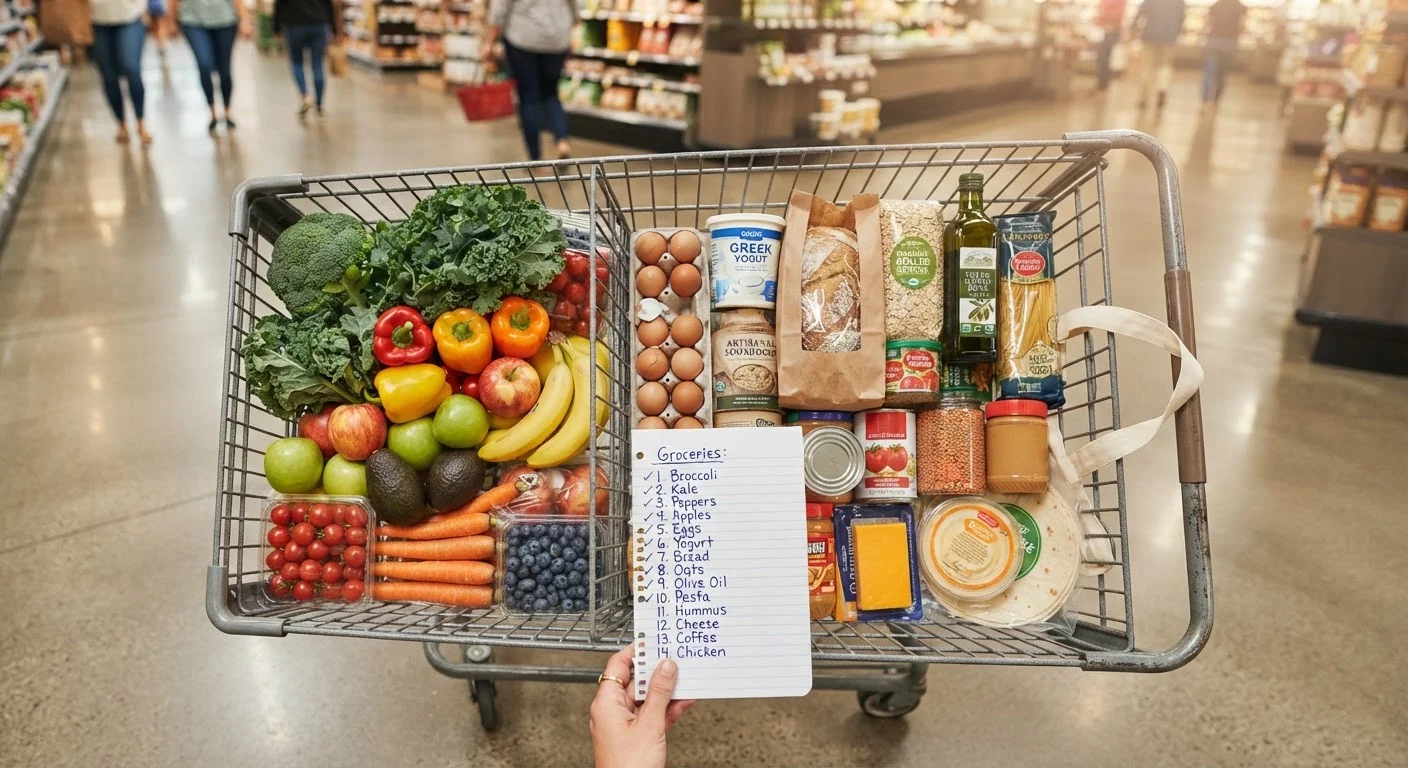
Photo: AdvisorBooth.net editorial
Key Takeaways
- Meal planning before shopping is the single most effective habit for reducing food waste and impulse spending.
- Understanding store layout tactics helps you resist spending triggers built into the shopping environment.
- Unit price comparison - not sticker price - is the most reliable way to judge grocery value.
- Shopping with a list and a realistic budget consistently leads to lower totals at checkout.
- Buying staples in bulk only saves money when you have storage space and a plan to use them.
Why Grocery Habits Matter More Than Grocery Deals
Most people focus on coupons and sales when they think about saving at the grocery store. Those tools can help, but the bigger lever is the routine you build around how you shop - before, during, and after each trip. Consistent habits outperform occasional deal-hunting because they remove the conditions that cause overspending in the first place.
Research on consumer spending consistently shows that unplanned purchases account for a significant share of grocery bills. Building a structured routine doesn't require rigid tracking or spreadsheets - it requires a few repeatable decisions made before you walk through the door. For a broader look at low-friction saving approaches, see saving strategies that don't require strict budgeting.
The Core Practices That Actually Move the Needle
These habits work together. Adopt one or two to start - adding more over time compounds the effect.
Plan meals for the week before writing your shopping list.
Set a realistic per-trip budget and check your running total as you shop.
Compare unit prices rather than package prices.
Shop with a list and stick to it as a standing rule, not a suggestion.
Shop on a full stomach and at off-peak hours.
Buy seasonal produce rather than defaulting to the same items year-round.
Quick Actions You Can Take Before Your Next Trip
You don't need to overhaul your entire grocery routine at once. A few targeted changes before your next shopping trip can produce immediate results.
For guidance on how grocery spending fits into your overall monthly picture, the budgeting basics hub covers practical tracking methods that don't require obsessive monitoring.
What to Watch For Inside the Store
Even a well-prepared shopper faces friction inside the store. Layouts are deliberately designed to maximize time spent - and money spent - in high-margin areas. Produce near the entrance creates a healthy impression that can lower your guard on processed items further in. End-cap displays often feature regular-priced items styled to look like deals.
The most reliable defense is your list. Treat it as a commitment, not a suggestion. When something catches your eye that isn't on the list, give yourself a simple rule: note it for next week rather than adding it to the cart now. Understanding how store layouts influence spending gives you a more complete picture of the specific tactics at work.
Store Loyalty Programs: Useful, With Limits
Unit pricing - cost per ounce, per count, or per pound - is the most honest comparison tool in the store. The larger package isn't always cheaper per unit, and store brands frequently match or beat name-brand unit prices. Make it a habit to check the shelf tag's unit price rather than the package price.
Building the Routine Over Time
A smart grocery routine isn't built in one trip - it's refined over several weeks as you learn your household's actual consumption patterns. Track what gets used versus what gets thrown out, and adjust quantities accordingly. This feedback loop is where real savings accumulate.
Pairing your grocery habits with a broader pantry strategy also pays off. Stocking your pantry strategically explains how to buy in bulk without creating waste or clutter. And if you're focused on the nutrition side of the equation, eating well on a budget covers how to maintain food quality while keeping costs in check.
“The best saving strategy is the one you'll actually use every week. Sustainable habits beat heroic efforts.”
— Consumer Financial Protection Bureau, U.S. government agency focused on consumer financial education
The goal isn't perfection - it's consistency. A routine that you actually follow every week will outperform an elaborate system you abandon after the first month.
The content on this site is for informational purposes only and is not a substitute for professional advice. Always consult a qualified professional for guidance specific to your situation.