
Vitamins and Minerals: What Each One Does and Where to Find It

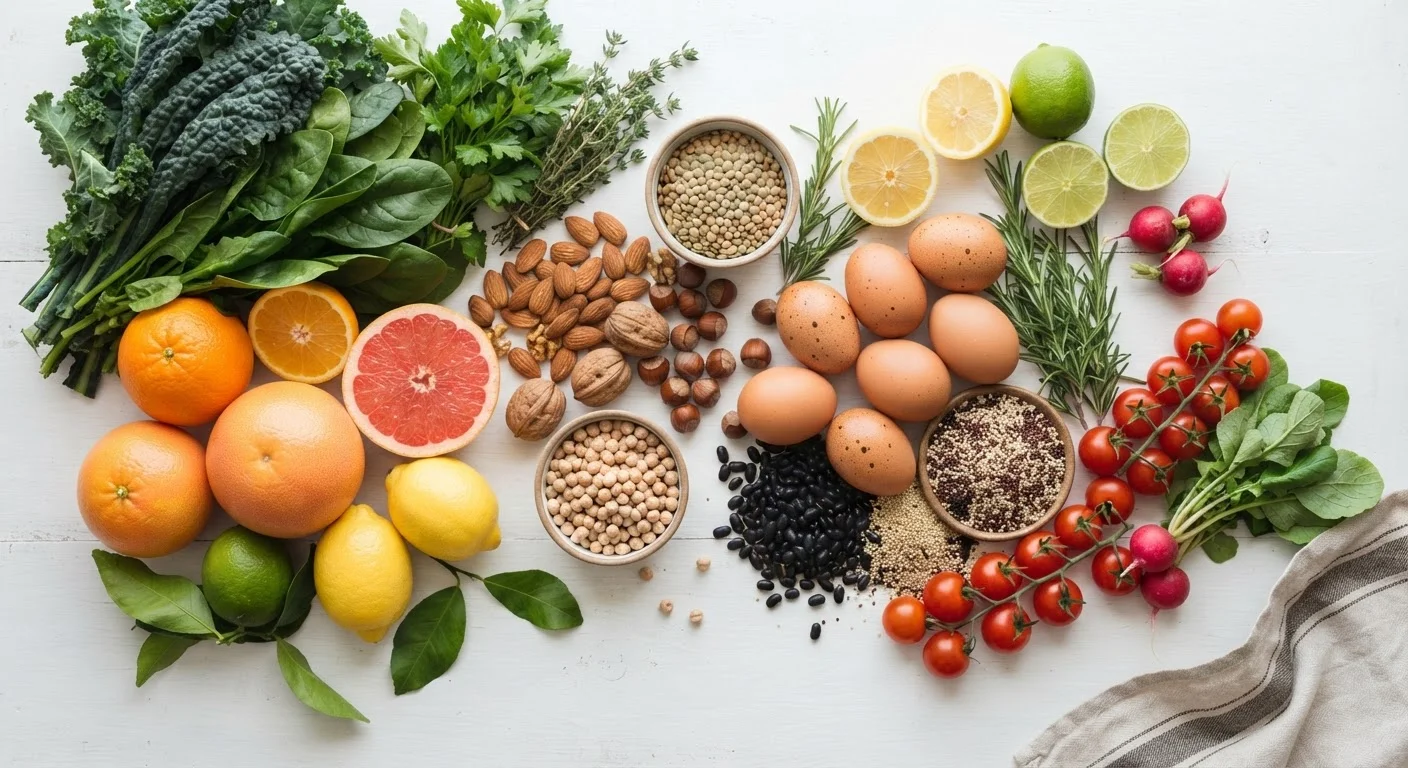
Photo: AdvisorBooth.net editorial
Why Vitamins and Minerals Matter
Your body runs on chemistry. Vitamins and minerals - collectively called micronutrients - are the compounds that keep that chemistry working. Unlike carbohydrates, protein, and fat, micronutrients don't supply calories, but they enable nearly every process those macronutrients fuel, from converting food into energy to keeping your immune system alert. For a broader foundation, see our beginner's nutrition guide.
The body can manufacture a handful of these compounds on its own - vitamin D from sunlight exposure, for instance - but most must come from food. Deficiencies can develop quietly over time, and since symptoms often overlap with other conditions, they can be easy to miss. This reference won't tell you what to eat or how much; it's a starting point for understanding what each nutrient does and where it naturally shows up.
| Total essential vitamins | 13 (4 fat-soluble, 9 water-soluble) |
| Total essential minerals | At least 16 recognized as essential |
| Vitamin D synthesis | Produced by the skin when exposed to UVB sunlight |
| B12 and plant-based diets | B12 is found almost exclusively in animal products; discuss supplementation with a provider |
| Iron absorption tip | Pairing plant-based iron with vitamin C-rich foods improves absorption |
| Folate during pregnancy | Especially critical before and during pregnancy for fetal development (General consensus, major health organizations) |
The Fat-Soluble Vitamins (A, D, E, K)
Fat-soluble vitamins are stored in the body's fatty tissue and liver, so they don't need to be replenished every single day - but they can accumulate to high levels if taken in excess through supplements.
Micronutrients
Vitamins and minerals the body needs in relatively small amounts to function properly. Unlike macronutrients, they don't provide calories but are essential for nearly every biological process.
Fat-soluble vitamins
Vitamins (A, D, E, and K) that dissolve in fat and are stored in the body's tissues. Because they accumulate, excessive intake - usually through supplements - can be harmful.
Water-soluble vitamins
Vitamins (C and the B vitamins) that dissolve in water and are not significantly stored in the body. They need to be replenished regularly through food.
Antioxidant
A compound that helps neutralize unstable molecules called free radicals, which can damage cells. Vitamins C and E are well-known antioxidants. For more nutrition vocabulary, see our nutrition glossary.
Trace minerals
Minerals the body requires in very small (trace) quantities, such as iron, zinc, iodine, and selenium. Despite low required amounts, deficiencies can still have significant health effects.
Heme iron
A form of iron found in animal-based foods like meat and poultry that the body absorbs more efficiently than non-heme iron, which comes from plant sources.
- Vitamin A - Supports vision (especially in low light), immune defense, and skin cell turnover. Found in liver, dairy, eggs, and as beta-carotene in orange and yellow produce like carrots and sweet potatoes.
- Vitamin D - Helps the body absorb calcium and phosphorus, supports bone density, and plays a role in immune function. Synthesized through skin exposure to UVB light; found in fatty fish, egg yolks, and fortified dairy and plant milks.
- Vitamin E - Acts as an antioxidant, protecting cell membranes from oxidative damage. Found in nuts, seeds, sunflower oil, and leafy greens.
- Vitamin K - Essential for blood clotting and contributes to bone metabolism. Leafy greens (kale, spinach, broccoli) are among the richest sources; K2 is also found in fermented foods and some cheeses.
If you take any fat-soluble vitamin supplement, it's worth discussing with a healthcare provider, since over-supplementation carries different risks than water-soluble vitamins.
The Water-Soluble Vitamins (C and the B Family)
Water-soluble vitamins are not stored in large amounts - excess is generally excreted in urine - so consistent daily intake from food is more important for this group.
- Vitamin C - A well-known antioxidant that supports immune function, collagen synthesis (essential for skin, tendons, and wound healing), and helps the body absorb non-heme iron from plant foods. Citrus fruits, bell peppers, strawberries, and broccoli are excellent sources.
- Thiamin (B1) - Converts carbohydrates into usable energy. Found in whole grains, legumes, and pork.
- Riboflavin (B2) - Supports energy metabolism and cellular growth. Found in dairy, eggs, lean meats, and fortified cereals.
- Niacin (B3) - Involved in DNA repair and energy production. Found in poultry, fish, peanuts, and whole grains.
- B6 - Helps the body use protein and make neurotransmitters. Found in poultry, fish, potatoes, and bananas.
- Folate (B9) - Critical for DNA synthesis and cell division; especially important before and during pregnancy. Found in dark leafy greens, legumes, and fortified grains.
- B12 - Maintains nerve function and red blood cell formation. Found almost exclusively in animal products; people following plant-based diets are often advised by healthcare providers to discuss supplementation.
Key Minerals: Macro and Trace
Minerals are grouped by how much the body needs: macrominerals (needed in larger amounts) and trace minerals (needed in very small amounts but still essential).
Macrominerals:
- Calcium - The primary building block of bones and teeth; also involved in muscle contraction and nerve signaling. Found in dairy, fortified plant milks, tofu made with calcium sulfate, and leafy greens.
- Magnesium - Participates in over 300 enzymatic reactions, including muscle and nerve function and blood sugar regulation. Found in nuts, seeds, legumes, and whole grains.
- Potassium - Helps regulate fluid balance and supports normal heart rhythm and blood pressure. Found in bananas, potatoes, beans, and leafy greens.
Trace minerals:
- Iron - Carries oxygen in the blood via hemoglobin. Heme iron (from meat and poultry) is absorbed more readily than non-heme iron (from beans, lentils, and spinach). Pairing plant iron sources with vitamin C-rich foods improves absorption.
- Zinc - Supports immune function, wound healing, and taste perception. Found in meat, shellfish, legumes, and pumpkin seeds.
- Iodine - Essential for thyroid hormone production, which regulates metabolism. Found in iodized salt, seafood, and dairy.
- Selenium - Acts as an antioxidant and supports thyroid function. Brazil nuts, fish, and whole grains are notable sources.
For practical meal ideas that help cover these nutrient groups, our meal planning checklist offers a useful starting framework. You can also explore budget-friendly nutrition strategies if cost is a consideration.
Supplements vs. Food Sources
This article is for general informational purposes only and does not constitute medical or nutritional advice. Talk with a qualified healthcare provider about your individual health needs, symptoms, or questions about supplementation.
The content on this site is for informational purposes only and is not a substitute for professional advice. Always consult a qualified professional for guidance specific to your situation.