
Car Maintenance for First-Time Owners

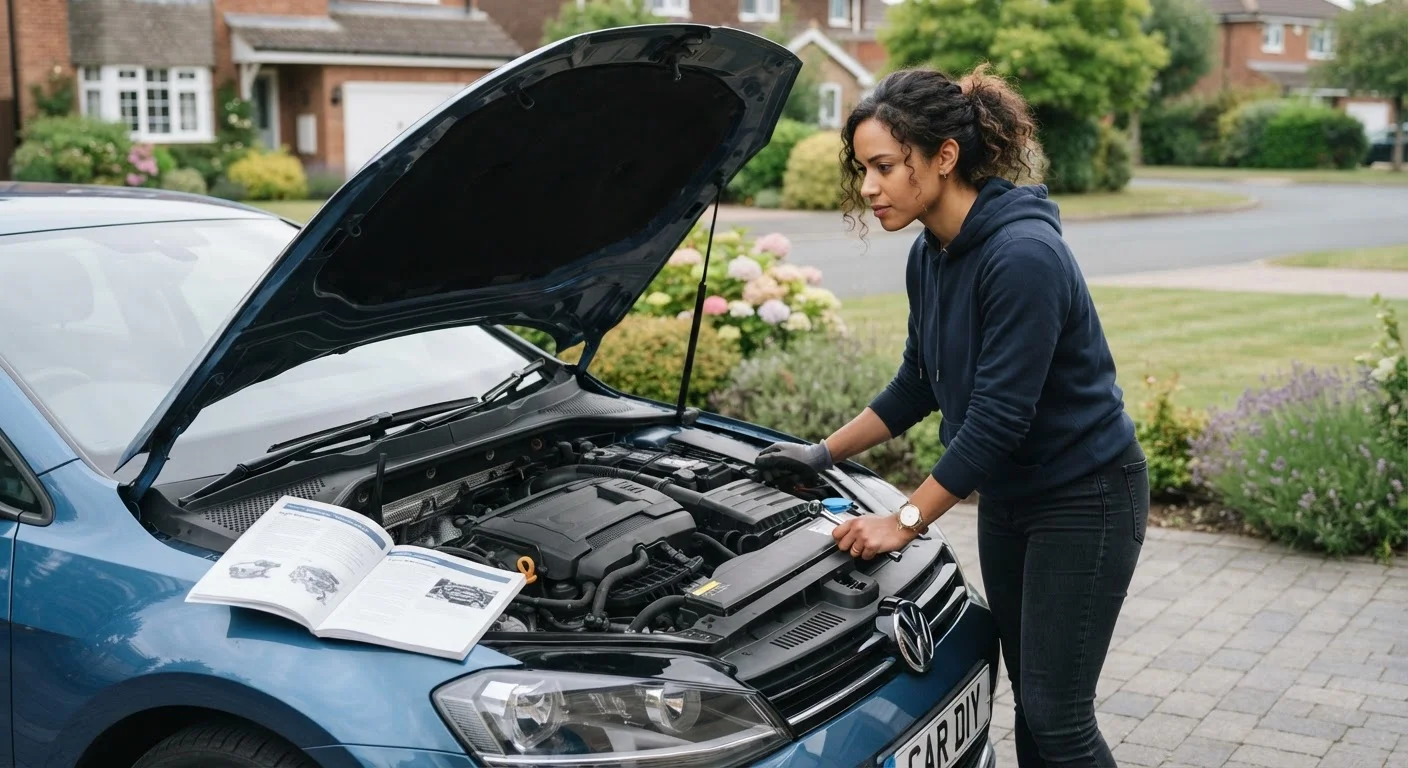
Photo: AdvisorBooth.net editorial
Key Takeaways
- Regular maintenance prevents small problems from becoming expensive repairs.
- Checking five key fluids monthly takes only a few minutes and protects your engine.
- Tire pressure, tread depth, and brake condition are the top safety-critical items to monitor.
- Your owner's manual is the most reliable source for your car's specific service intervals.
- Some tasks are safe to handle yourself; others require a qualified mechanic.
Why Routine Maintenance Matters
Owning a car comes with a responsibility that goes beyond filling the gas tank. Vehicles are mechanical systems with hundreds of moving parts, and routine maintenance is what keeps those parts working together safely and efficiently. Neglecting even minor upkeep can turn a small, inexpensive problem into a major repair bill - or worse, a roadside breakdown.
The good news is that most routine maintenance is straightforward. You don't need to be a mechanic to understand what your car needs. A basic grasp of the key systems - fluids, tires, brakes, and battery - puts you in control of your vehicle's health. For a deeper look at what commonly gets skipped until it's too late, see our guide on neglected maintenance items mechanics see most often.
Start a Simple Maintenance Log
The Fluids You Need to Know
Fluids are the lifeblood of your vehicle. Each one serves a specific function, and running low - or running dirty - can cause serious damage.
Dipstick
A long metal rod inserted into the engine oil reservoir that lets you check oil level and condition without any tools.
PSI
Pounds per square inch - the unit used to measure tire pressure. Your vehicle's recommended PSI is listed on a sticker inside the driver's door jamb.
OBD-II Scanner
A diagnostic tool that plugs into a port under your dashboard and reads fault codes stored by your car's onboard computer. Used to identify what triggered a warning light.
Tread Depth
The measurement of how much rubber remains on a tire's surface. Low tread depth reduces grip, especially on wet roads, and indicates the tire needs replacing.
Coolant Overflow Reservoir
A translucent plastic tank connected to your radiator that shows minimum and maximum coolant level markings, allowing you to check coolant without opening the radiator cap.
Service Interval
The mileage or time period specified by the manufacturer at which a particular maintenance task should be performed, such as an oil change every 5,000 miles.
- Engine oil lubricates moving parts and prevents metal-on-metal wear. Check the level monthly using the dipstick under the hood, and follow your manual's recommended change interval.
- Coolant (antifreeze) regulates engine temperature and prevents overheating in summer and freezing in winter. Check the overflow reservoir when the engine is cold.
- Brake fluid transfers force from your brake pedal to your brake pads. Low or dark fluid can indicate a leak or contamination - both warrant prompt attention from a mechanic.
- Transmission fluid keeps your transmission shifting smoothly. Many modern vehicles have sealed transmissions, so check your manual to see if and how this fluid should be monitored.
- Windshield washer fluid is the one fluid you can safely top off yourself at any time with store-bought solution.
For a full breakdown of service milestones, our article your car's maintenance schedule, explained covers what those mileage intervals in your owner's manual actually mean.
Tires, Brakes, and Battery
These three systems have the most direct impact on your safety on the road.
Tires
Maintain proper inflation - check your driver's door jamb sticker for the recommended PSI (pounds per square inch), not the number on the tire's sidewall, which is the maximum pressure. Underinflated tires wear unevenly, reduce fuel efficiency, and can fail at highway speeds. Inspect tread depth regularly and rotate your tires every 5,000 to 7,500 miles to promote even wear. See our seasonal car care checklist for how temperature changes affect tire pressure.
Brakes
Squealing or grinding sounds when you brake are warning signs that brake pads may be worn. Brake inspection is not a DIY task for beginners - a qualified mechanic should evaluate your brakes at least annually or whenever you notice changes in stopping performance.
Battery
Most car batteries last three to five years. Look for corrosion at the terminals and have your battery tested if you notice slow engine cranking or dimming headlights. Many auto parts stores provide free battery testing.
Reading Your Owner's Manual and Warning Lights
Your owner's manual is the single most authoritative source of information about your specific vehicle. It contains recommended service intervals, fluid specifications, and guidance on what your dashboard warning lights mean. Keep it in your glove compartment and consult it before searching online, since advice that applies to one car may not apply to yours.
Dashboard warning lights are your car's way of communicating. As a general rule:
- Red lights signal conditions that may require you to stop driving immediately - such as low oil pressure or overheating.
- Yellow/amber lights are advisory, indicating something needs attention soon but is not necessarily an emergency.
- Green or blue lights are informational, such as headlights being on or cruise control being active.
Never assume a warning light will resolve itself. Even a check engine light triggered by something minor, like a loose gas cap, should be diagnosed with an OBD-II scanner - a tool many mechanics and auto parts stores use to read fault codes from your car's computer.
When to DIY and When to Call a Mechanic
Knowing which tasks are safe for a beginner and which ones require professional training is one of the most important judgments you can make as a new owner. Our dedicated guide on DIY car maintenance vs. taking it to a shop walks through the cost, safety, and skill factors in detail.
As a general starting point:
- Safe for beginners: Checking and topping off fluids, replacing wiper blades, checking tire pressure, replacing cabin air filters (on most vehicles), and replacing burned-out exterior bulbs on accessible models.
- Leave to a qualified mechanic: Brake system work, suspension repairs, electrical diagnosis, timing belt or chain replacement, and any task involving your fuel system or airbags.
Don't Attempt Brake Work Without Experience
Building good habits early pays dividends throughout your ownership experience. Pair this foundation with the pre-trip vehicle safety walkthrough to make quick checks part of your routine before longer drives.
Frequently Asked Questions
The content on this site is for informational purposes only and is not a substitute for professional advice. Always consult a qualified professional for guidance specific to your situation.