
Car Maintenance

Seasonal Car Care: Preparing Your Vehicle for Changing Conditions

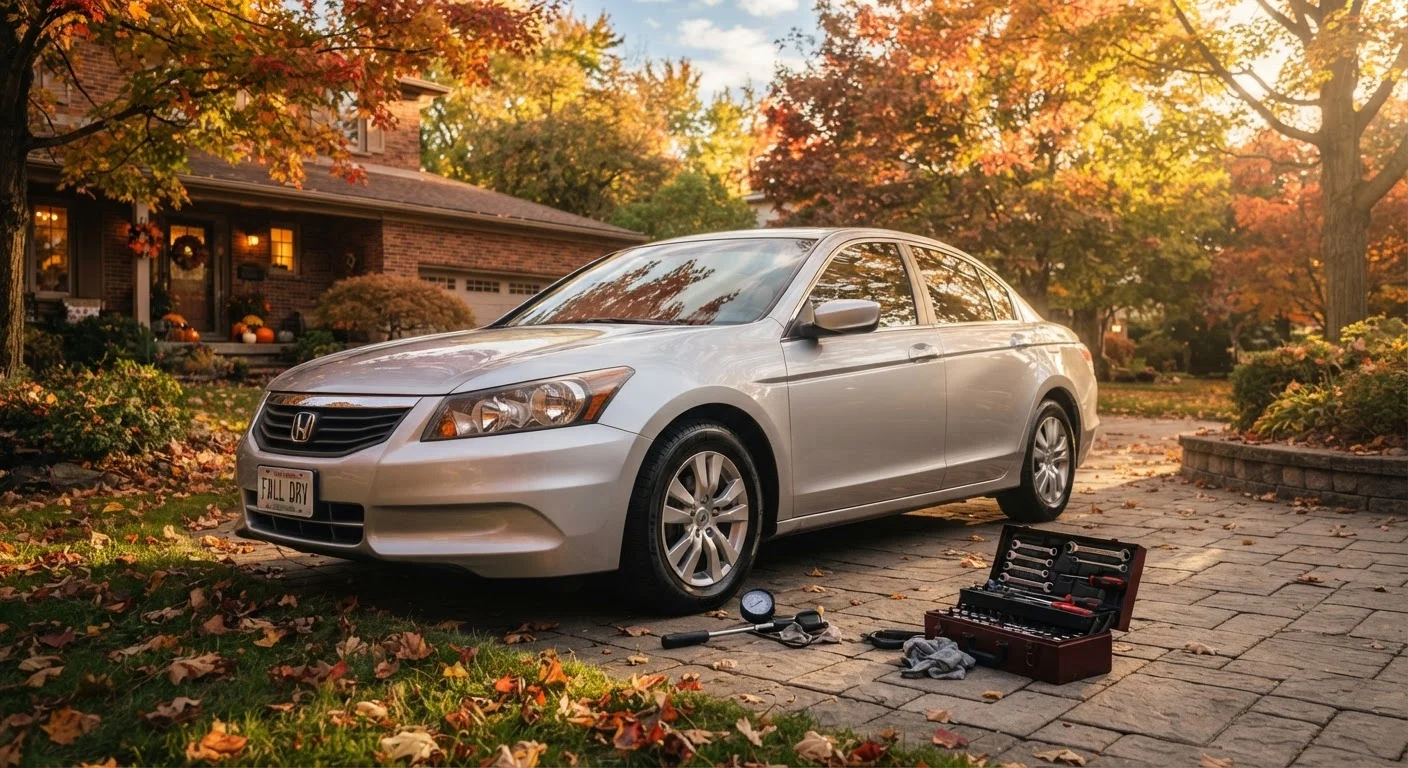
Seasonal Car Care: Preparing Your Vehicle for Changing Conditions

Photo: AdvisorBooth.net editorial

Use this checklist to make sure your vehicle is ready for summer heat, winter cold, and everything in between.

Key Takeaways

  • Seasonal vehicle checks help prevent costly breakdowns and improve road safety.
  • Tires, battery, fluids, and brakes are the highest-priority items to inspect each season.
  • Summer heat and winter cold each place unique stress on your vehicle's key systems.
  • Many seasonal checks can be done at home, but some tasks require a qualified mechanic.
  • Staying ahead of routine maintenance reduces the risk of being caught off-guard by repairs.

Why Seasonal Vehicle Checks Matter

Most vehicle problems don't appear without warning — they build gradually through neglect of routine maintenance. Changing seasons accelerate wear on specific components: extreme cold reduces battery capacity and thickens engine oil, while summer heat degrades rubber hoses, stresses the cooling system, and can cause tires to over-inflate. Running a seasonal checklist is one of the most effective ways everyday drivers can catch small issues before they become expensive repairs or roadside emergencies.

This checklist is designed for general-purpose vehicles operated in a temperate U.S. climate with defined seasons. Adjust the sequence and emphasis based on where you live — drivers in the Deep South face prolonged heat stress, while those in northern states deal with extended freeze-thaw cycles. For a broader foundation in routine upkeep, see our guide for first-time car owners.

Know Your Limits Before You Start

Many seasonal checks are simple visual inspections any driver can do safely. However, tasks involving brake components, fuel systems, airbag systems, or high-voltage hybrid and EV batteries should only be handled by a qualified mechanic. When in doubt, a professional inspection is always the safer — and often less expensive — choice in the long run.

Tools and Resources You'll Need

Before working through the checklist, gather the basic tools and information listed below. Most checks require no mechanical skill — just a few minutes and the right reference materials. If any inspection reveals a problem you're unsure how to address, consult a qualified mechanic rather than guessing.

Required

Tire pressure gauge

Accurately measures PSI so you can inflate tires to the manufacturer's specification.

Required

Tread depth gauge

Provides a precise measurement of remaining tire tread to determine when replacement is needed.

Required

Vehicle owner's manual

Specifies correct fluid types, maintenance intervals, and tire pressure recommendations for your exact vehicle.

Required

Flashlight or work light

Illuminates engine bay components and underneath the vehicle for easier visual inspection.

Optional

Battery tester or multimeter

Checks battery voltage and cold cranking capacity to flag weak batteries before they fail.

Optional

Fluid top-off supplies

Correct coolant, windshield washer fluid, and oil for your vehicle, available for topping off low reservoirs.

The Seasonal Car Care Checklist

Work through the following groups in order. Items marked must are non-negotiable safety or reliability checks. Should items are strongly recommended. Nice-to-have items improve comfort and longevity but can be deferred if resources are tight. For a closer look at which items are most commonly skipped, see our article on neglected maintenance items mechanics see most often.

Tires

Check tire pressure with a gauge and inflate to the vehicle manufacturer's recommended PSI, found on the door jamb sticker — not the maximum listed on the tire sidewall. Must
Inspect tread depth using a tread depth gauge or the penny test; replace any tire at or below 2/32 of an inch. Must
Examine all four tires and the spare for visible cracking, bulging, or uneven wear patterns that may indicate alignment or suspension issues. Must
Rotate tires according to your owner's manual interval, typically every 5,000–7,500 miles, to promote even wear. Should
If you live in a region with significant snowfall, consider switching to dedicated winter tires before the first freeze rather than relying on all-seasons. Nice to have

Battery and Electrical

Inspect the battery terminals for corrosion — white or bluish crust — and clean them if needed; a weak connection can prevent starting in cold weather. Must
Have the battery tested at an auto parts store or shop if it is three or more years old, since cold temperatures significantly reduce cranking power. Must
Test all exterior lights, including brake lights, turn signals, and headlights, replacing any burned-out bulbs before seasonal driving begins. Must

Fluids

Check engine oil level and condition using the dipstick; oil that looks black and gritty is overdue for a change — follow your manufacturer's recommended interval. Must
Verify coolant (antifreeze) level in the reservoir and confirm the mixture is rated for the lowest expected temperature in your area. Must
Check brake fluid, power steering fluid, and transmission fluid levels, topping off or scheduling a flush if levels are low or fluid looks discolored. Should
Refill windshield washer fluid with a formula rated for freezing temperatures in winter, or a bug-removing formula for summer use. Should

Brakes and Suspension

Listen for squealing, grinding, or pulsation when braking, and have a qualified mechanic inspect brake pads and rotors if any symptoms are present. Must
Have your vehicle's alignment checked if it pulls to one side or after hitting a significant pothole, which is especially common after winter freeze-thaw cycles. Should
Inspect shocks and struts for leaking fluid or excessive bounce; worn shocks extend stopping distances and reduce handling stability. Should

Heating, Cooling, and Visibility

Test the air conditioning system before summer — recharging or repairing it is harder and more expensive mid-season when shops are busiest. Should
Confirm the heater and defroster work properly before cold weather arrives; a malfunctioning defroster is both a comfort and a visibility safety issue. Must
Replace windshield wiper blades that streak, skip, or leave large unwiped areas; winter-specific blades are available for heavy snow climates. Should

Seasonal Preparedness Items

Check your emergency kit — ensure it contains jumper cables, a flashlight with fresh batteries, a basic first-aid kit, a reflective triangle or flares, and a blanket. Should
Keep an ice scraper and small snow brush in the vehicle during winter months so you're never caught off-guard by an unexpected freeze. Nice to have

Brake and Tire Issues Cannot Wait

If your seasonal inspection reveals any sign of brake wear, significant tire damage, or tread below minimum depth, do not defer those repairs. Compromised brakes and tires are among the leading contributors to preventable crashes. Schedule service immediately and, if necessary, limit driving until the vehicle has been inspected by a professional.

Driving Safely After Seasonal Prep

Completing a seasonal vehicle inspection is only part of the picture. Road conditions vary dramatically by season, and even a properly maintained vehicle requires adjusted driving technique. Wet pavement, ice, and reduced visibility all demand more stopping distance and greater following gaps. Our guide on driving in fog, rain, and snow explains the techniques that keep you safer when conditions change. Before any long seasonal trip, it's also worth running through a pre-trip vehicle safety walkthrough to catch anything this checklist may not cover.

Staying current with seasonal maintenance isn't about perfectionism — it's about maintaining a baseline of reliability and safety that protects you, your passengers, and others on the road.

Autos & Vehicles Editorial Team

AdvisorBooth.net

Autos & Vehicles Editorial Team is the collective byline for our editorial team and contributor network. Articles published under this byline or an editorial pen name are researched, written, and reviewed according to our editorial standards for clarity, consistency, and independence before publication.

Car MaintenanceBuying a CarDriving & Safety
View author profile

The content on this site is for informational purposes only and is not a substitute for professional advice. Always consult a qualified professional for guidance specific to your situation.