
DIY Car Maintenance vs. Taking It to a Shop

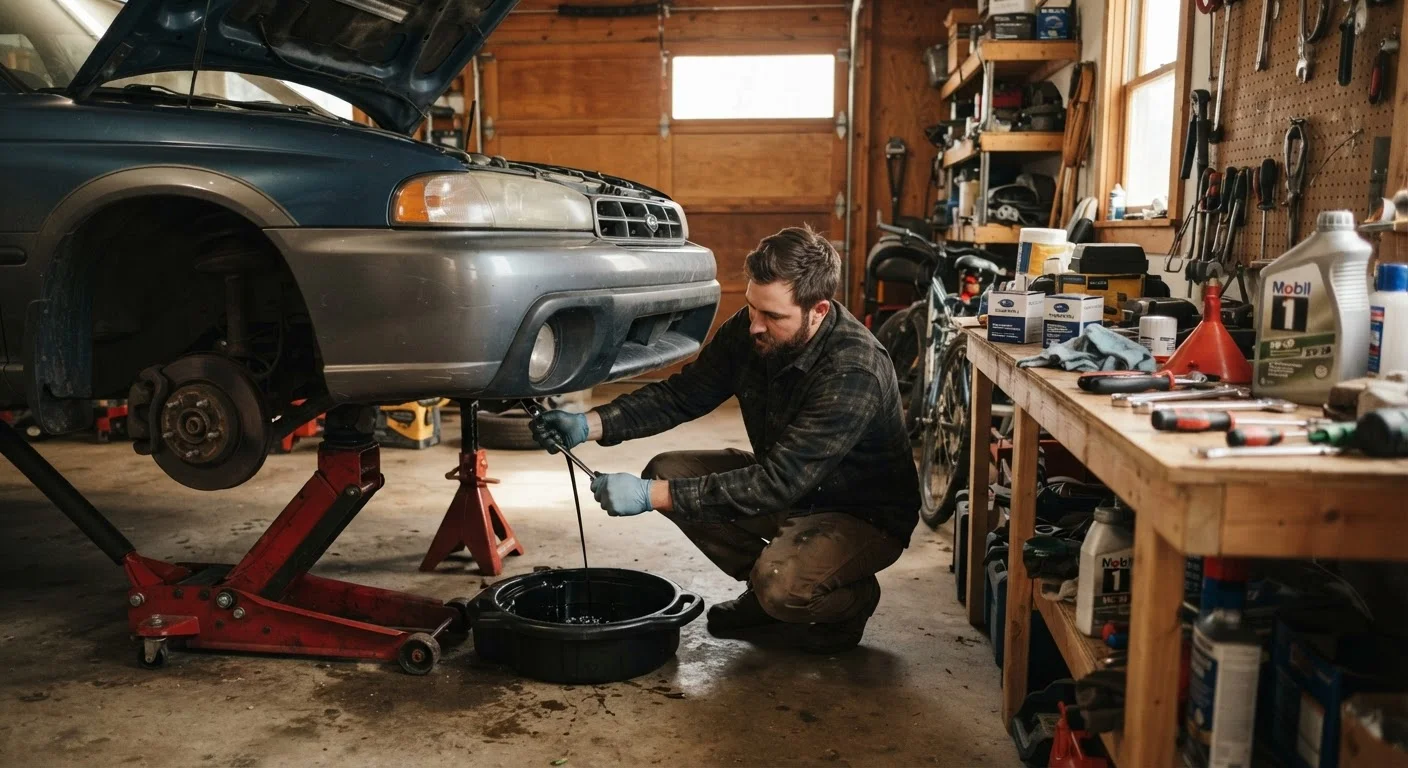
Photo: AdvisorBooth.net editorial
Key Takeaways
- Routine tasks like oil changes, air filters, and wiper blades are generally safe for capable home mechanics.
- Work involving brakes, suspension, or advanced electronics carries real safety risk and often warrants a professional.
- DIY can reduce labor costs, but mistakes on complex systems can lead to more expensive repairs.
- Your owner's manual is the most authoritative guide to your specific vehicle's maintenance requirements.
- Skill level, available tools, and workspace safety should all factor into the DIY-versus-shop decision.
Significant savings on routine labor costs
Labor is often the largest portion of a maintenance invoice. Performing straightforward tasks yourself eliminates that charge, leaving you paying only for parts and fluids.
Greater awareness of your vehicle's condition
Regular hands-on contact with your car helps you spot developing issues - worn belts, low fluids, unusual corrosion - before they escalate into costly repairs.
Flexibility to work on your own schedule
DIY eliminates appointment lead times and the inconvenience of leaving your car at a shop, which can be especially valuable in areas with limited service options.
Builds mechanical confidence and knowledge
Successfully completing maintenance tasks increases your understanding of how your vehicle works, making you a more informed consumer when professional service is needed.
Errors on safety systems can be dangerous
Mistakes during brake, steering, or suspension work can directly affect vehicle control. These systems have zero tolerance for improper installation or skipped steps.
Tool investment can offset savings
Some jobs require specialty tools - torque wrenches, jack stands, oil filter wrenches - that represent an upfront cost, particularly for tasks you'll only perform occasionally.
Incorrect diagnosis can worsen problems
Without professional diagnostic equipment, it's easy to treat a symptom rather than a cause, potentially masking a more serious underlying issue.
May affect warranty coverage
Improper DIY repairs can complicate warranty claims. Documentation of work performed is important, and some repairs require certified service to remain compliant with warranty terms.
Physical risk without proper safety equipment
Working under a vehicle without properly rated jack stands, or handling chemicals without appropriate protection, poses real physical hazards that shop environments are equipped to manage.
What Counts as DIY-Friendly Maintenance
Not all maintenance tasks are created equal. Some are designed to be owner-serviceable - straightforward procedures that most mechanically inclined adults can complete with common tools and a careful read of the owner's manual. Others require specialized equipment, calibrated torque specs, or safety precautions that make professional service the clearly safer call.
Tasks commonly considered DIY-friendly include engine air filter replacement, cabin air filter swaps, windshield wiper blade changes, battery replacement, and topping off fluids like washer fluid and coolant (when the engine is cold). Oil and oil filter changes are also performed at home by many drivers, though they do require proper disposal of used oil and a safe way to support the vehicle. For a full picture of which intervals matter and why, see Your Car's Maintenance Schedule, Explained.
Always Consult Your Owner's Manual First
If you're new to vehicle ownership, start with the lowest-risk tasks and build familiarity gradually. Car Maintenance for First-Time Owners walks through the essentials in approachable detail.
The Real Advantages of Doing It Yourself
DIY maintenance has genuine benefits beyond saving money on labor - though that saving is real. Shop labor rates in the United States commonly range from $80 to $150 per hour, meaning a straightforward oil change that takes 30 minutes in a shop can carry a labor charge that dwarfs the cost of the oil and filter themselves.
Significant savings on routine labor costs
Labor is often the largest portion of a maintenance invoice. Performing straightforward tasks yourself eliminates that charge, leaving you paying only for parts and fluids.
Greater awareness of your vehicle's condition
Regular hands-on contact with your car helps you spot developing issues - worn belts, low fluids, unusual corrosion - before they escalate into costly repairs.
Flexibility to work on your own schedule
DIY eliminates appointment lead times and the inconvenience of leaving your car at a shop, which can be especially valuable in areas with limited service options.
Builds mechanical confidence and knowledge
Successfully completing maintenance tasks increases your understanding of how your vehicle works, making you a more informed consumer when professional service is needed.
Beyond cost, DIY gives you direct visibility into your vehicle's condition. When you're under the hood regularly, you're more likely to notice a cracked hose, a corroded terminal, or a fluid that's darker than it should be - before those issues grow. That kind of proactive awareness is hard to replicate through infrequent shop visits alone.
Where DIY Carries Real Risk
The downside of DIY maintenance becomes significant when drivers overestimate their skill level or underestimate a job's complexity. Brake system work - including pad replacement, rotor resurfacing, and caliper service - directly affects your ability to stop safely. A mistake here isn't just inconvenient; it can be dangerous. Similarly, suspension and steering components require precise torque specifications and alignment afterward. Incorrect installation can cause unpredictable handling.
Errors on safety systems can be dangerous
Mistakes during brake, steering, or suspension work can directly affect vehicle control. These systems have zero tolerance for improper installation or skipped steps.
Tool investment can offset savings
Some jobs require specialty tools - torque wrenches, jack stands, oil filter wrenches - that represent an upfront cost, particularly for tasks you'll only perform occasionally.
Incorrect diagnosis can worsen problems
Without professional diagnostic equipment, it's easy to treat a symptom rather than a cause, potentially masking a more serious underlying issue.
May affect warranty coverage
Improper DIY repairs can complicate warranty claims. Documentation of work performed is important, and some repairs require certified service to remain compliant with warranty terms.
Physical risk without proper safety equipment
Working under a vehicle without properly rated jack stands, or handling chemicals without appropriate protection, poses real physical hazards that shop environments are equipped to manage.
Electrical and computer systems present another challenge. Modern vehicles rely on networks of sensors and control modules. Diagnosing a fault light often requires a professional-grade scan tool and the training to interpret the data correctly. Attempting a fix without accurate diagnosis can mask the real problem and lead to repeat failures. For a look at what commonly gets overlooked until it becomes a bigger issue, see Neglected Maintenance Items That Mechanics See Most Often.
Making the Decision for Your Situation
The right choice depends on an honest assessment of four factors: your skill level and experience, the tools you actually own, whether you have a safe and legal workspace, and the specific complexity of the task at hand.
A good rule of thumb: if a mistake could compromise safety systems, void a warranty, or require a tow to fix, have a professional handle it. If the task is well-documented in your owner's manual, doesn't involve safety-critical components, and is reversible if something goes wrong, it's a reasonable candidate for DIY.
High-mileage vehicles add another layer of consideration - aging components can behave unpredictably during service. If your car is past the 100,000-mile mark, Keeping a High-Mileage Vehicle Reliable offers tailored guidance. And remember: the cost of skipping maintenance entirely often exceeds both DIY and shop costs combined. Why Skipping Oil Changes Costs More Than the Service Itself illustrates this point clearly.
$80-$150
Typical shop labor rate per hour in the U.S.
Labor costs represent a substantial portion of most maintenance invoices, making DIY attractive for time-efficient tasks.
~$35-$75
Estimated DIY cost for a standard oil change
Parts-only cost for oil and a filter is often well below the total shop service price, though disposal and tool costs apply.
The content on this site is for informational purposes only and is not a substitute for professional advice. Always consult a qualified professional for guidance specific to your situation.