
Keeping a High-Mileage Vehicle Reliable

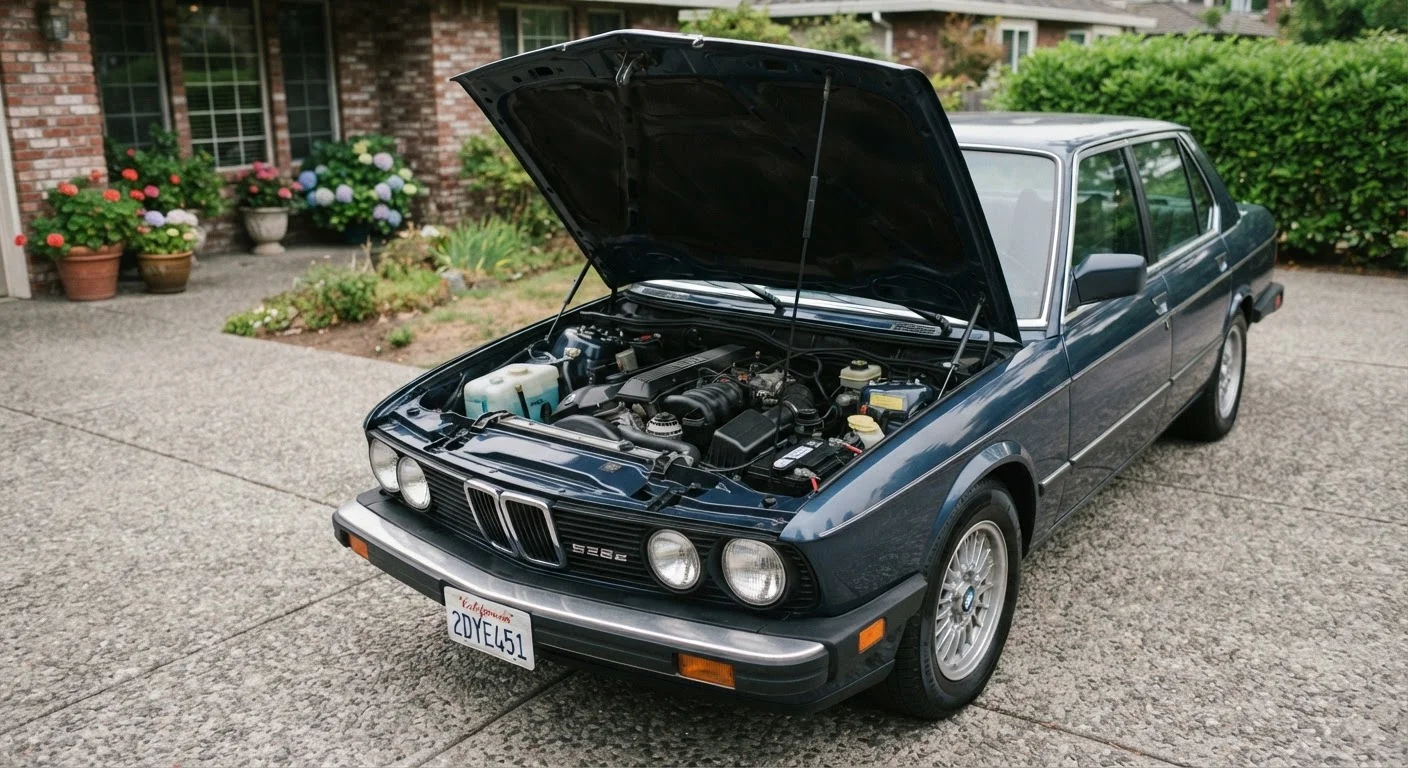
Photo: AdvisorBooth.net editorial
Key Takeaways
- Oil changes and fluid checks become more critical once a vehicle passes 100,000 miles.
- Rubber components like belts, hoses, and seals degrade with age and mileage and need proactive inspection.
- Addressing small issues quickly prevents them from becoming expensive drivetrain or engine failures.
- Keeping detailed service records helps you stay ahead of maintenance intervals and spot patterns.
- A qualified mechanic can identify wear that isn't visible during routine owner checks.
Why High-Mileage Vehicles Demand a Different Approach
Once a vehicle crosses the 100,000-mile threshold, its maintenance needs shift. Components that were new tolerances at the factory now show measurable wear. Clearances open up in engines. Rubber degrades. Gaskets lose their seal. None of this means the car is finished - millions of vehicles remain dependable well past 200,000 miles - but it does mean a reactive approach to maintenance starts carrying real risk.
High-mileage care is fundamentally about staying ahead of predictable failure points. Understanding where older vehicles typically struggle lets you intervene before a minor issue becomes a major repair. For a foundational understanding of vehicle care in general, see our guide to car maintenance for first-time owners, which covers the essentials every driver should know.
Best Practices for Keeping an Older Car Running Strong
The following practices reflect what automotive professionals consistently recommend for vehicles with significant mileage. They are ordered by impact and applicability across most passenger vehicles.
Switch to a high-mileage engine oil formulation and shorten your change interval.
Inspect all rubber components - belts, hoses, and boots - at every service visit.
Flush and replace all major fluids on a defined schedule, not just when they look dirty.
Address minor leaks and drips before they worsen.
Keep detailed, timestamped service records.
Have the vehicle inspected comprehensively by a qualified mechanic once a year.
What Gets Overlooked - and Why It Matters
Many drivers focus on oil changes while letting other service items slide. Transmission fluid, coolant, brake fluid, and power steering fluid all degrade over time and mileage. Dirty or depleted fluids accelerate internal wear in systems that are expensive to rebuild. Our article on commonly neglected maintenance items details exactly what tends to get skipped - and what the consequences look like.
It's also worth reconsidering extended service intervals as mileage climbs. Older engines that have accumulated wear benefit from more frequent oil and filter changes, not less frequent ones. Longer gaps between services may work for newer engines with tight tolerances, but they impose real trade-offs on engines that have seen years of heat cycling and combustion byproducts.
~16.8 years
Average age of vehicles on U.S. roads
According to S&P Global Mobility data, the average age of light vehicles in operation in the United States has been trending upward, reflecting how long Americans are keeping their cars.
200,000+ miles
Mileage milestone reached by well-maintained vehicles
Consumer automotive research consistently shows that vehicles with documented, consistent maintenance histories are far more likely to reach high-mileage milestones without major mechanical failures.
Start with These Quick Actions
If you've just taken ownership of a high-mileage vehicle - or haven't had it thoroughly inspected in some time - these actions will give you the clearest picture of where things stand and what to address first.
Not sure whether a task is safe to handle yourself? Our guide to DIY car maintenance vs. taking it to a shop walks through how to weigh skill level, safety, and cost when deciding.
The content on this site is for informational purposes only and is not a substitute for professional advice. Always consult a qualified professional for guidance specific to your situation.