
Long Intervals Between Services: Convenience vs. Engine Health

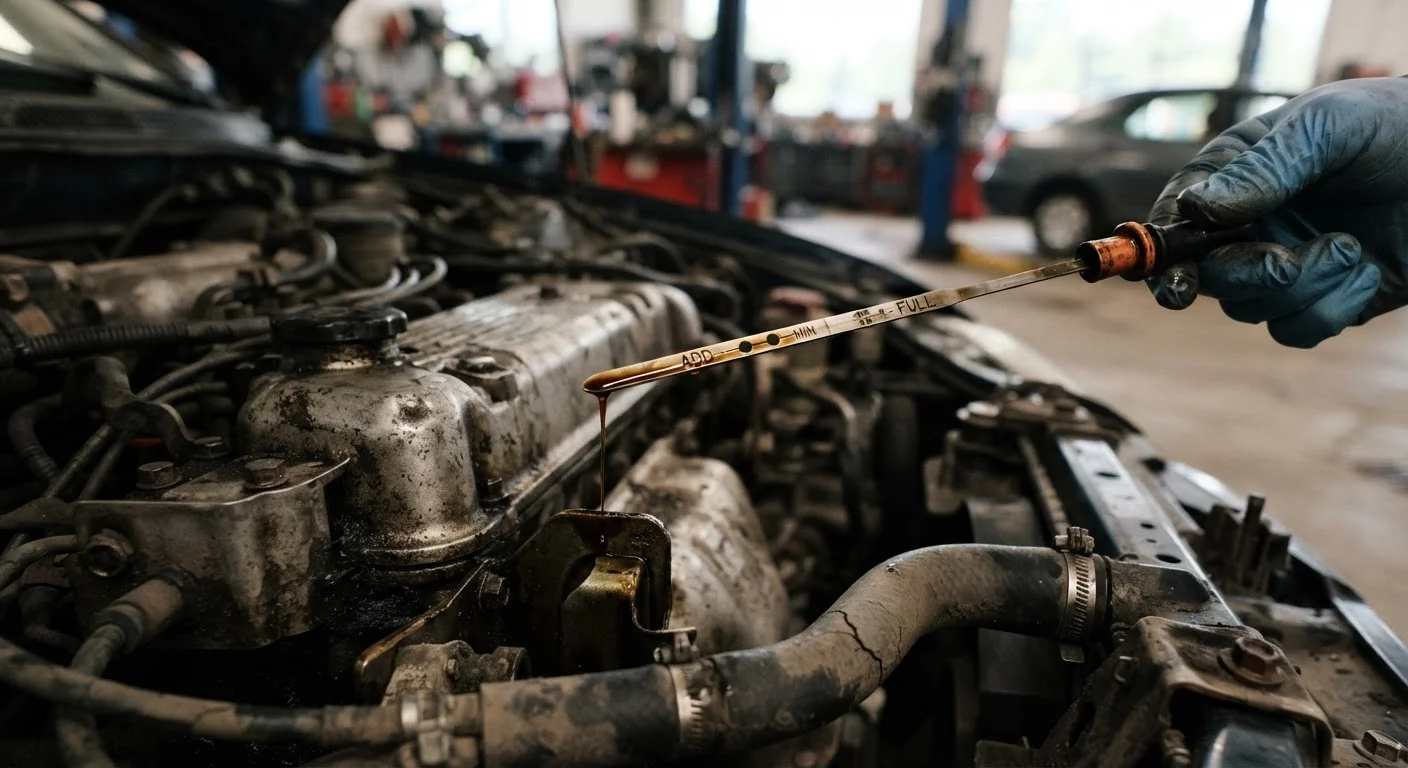
Photo: AdvisorBooth.net editorial
Key Takeaways
- Modern synthetic oils and newer engine designs do support longer intervals - but only under the right conditions.
- Driving habits like short trips, extreme temperatures, and towing can shorten safe service windows considerably.
- Following your owner's manual is more reliable than generic mileage rules of thumb.
- Skipping or delaying services may void powertrain warranties and accelerate engine wear.
- High-mileage vehicles generally benefit from shorter intervals, not longer ones.
What 'Extended Service Intervals' Actually Means
The old standard of an oil change every 3,000 miles was developed decades ago for conventional motor oil and older engine technology. Today, many vehicle manufacturers specify intervals of 5,000 to 10,000 miles - and some models using full-synthetic oil are rated for up to 15,000 miles between changes under ideal conditions.
Extended service intervals refer to any maintenance schedule that goes beyond the traditional short-cycle approach. They're enabled by improvements in synthetic lubricants, tighter engine tolerances, and onboard diagnostic systems that monitor actual oil degradation rather than relying on mileage alone. See what your maintenance schedule milestones actually mean for a closer look at how manufacturers set these numbers.
The appeal is straightforward: fewer trips to the shop, lower short-term costs, and less disruption to your schedule. But convenience isn't the whole story.
The Case for Longer Intervals
Full-synthetic motor oil genuinely outperforms conventional oil in resisting thermal breakdown, oxidation, and sludge formation. In laboratory and real-world testing, high-quality synthetics maintain their protective properties longer - which is why automakers and oil manufacturers developed extended-interval recommendations in the first place.
Many newer vehicles come equipped with an oil life monitoring system (OLMS), which uses sensors and algorithms to calculate when an oil change is actually needed based on engine load, temperature cycles, and driving patterns. This is a meaningful technological advance over fixed mileage intervals. When used as intended - with the correct oil specification - these systems can reliably extend service intervals without engine harm.
Check Your Oil Between Services
There's also an environmental argument: fewer oil changes mean less used motor oil requiring disposal, which reduces one source of environmental waste when oil is not properly recycled.
Where Extended Intervals Create Real Risk
The problem begins when drivers apply extended-interval logic to conditions it wasn't designed for. Manufacturers that approve 10,000-mile intervals typically define "normal" conditions carefully - highway-dominated driving, moderate climates, and engines in good mechanical health.
Severe driving conditions - defined by most manufacturers as frequent short trips under 5 miles, stop-and-go traffic, towing or hauling, extreme cold or heat, and dusty environments - can degrade oil significantly faster. Under these conditions, an extended interval appropriate for highway commuters may be far too long for your engine.
Extended Intervals Aren't One-Size-Fits-All
For vehicles with higher mileage, the stakes are higher still. Older engines may consume small amounts of oil between changes, increasing the risk of running low before the next scheduled service. The maintenance needs of a high-mileage vehicle differ meaningfully from those of a newer car.
Comparing the Two Approaches
When weighing traditional versus extended intervals, several practical factors come into play beyond just mileage.
| Traditional Intervals (3,000-5,000 mi) | Extended Intervals (7,500-15,000 mi) | |
|---|---|---|
| Oil type required | Conventional or synthetic blend | Full synthetic typically required |
| Short-term cost | Higher frequency, more spend per year | Fewer changes, lower annual cost |
| Engine protection (severe use) | Better suited for harsh conditions | Risk of under-protection |
| Engine protection (normal use) | More than adequate, possibly excessive | Appropriate when specs are met |
| Suitable for high-mileage vehicles | Generally recommended | Generally not recommended |
| Monitoring required | Straightforward mileage tracking | Oil life system or manual checks needed |
| Warranty considerations | Typically safe for all warranties | Must match manufacturer specs to be safe |
The right answer depends heavily on your specific vehicle, driving habits, and the oil type specified in your owner's manual. As detailed in our coverage of why delayed oil changes cost more long-term, the short-term savings of stretching intervals can be erased by accelerated engine wear.
How to Make the Right Call for Your Vehicle
Start with your owner's manual - not the sticker on your windshield, not a generic internet rule. Manufacturers set intervals based on extensive testing of your specific engine with specific oil grades. If your manual specifies a range, lean toward the shorter end if your driving falls into any severe-use category.
Check your oil level between services. If you're consistently low before your next change, that's a signal your interval may be too long for your engine's current condition. Mechanics frequently see overlooked maintenance items contribute to preventable failures - irregular oil monitoring is among them.
If your vehicle has an OLMS, use it - but understand it's calibrated for the oil type specified for your car. Substituting a lower-grade oil and relying on an extended-interval notification designed for full synthetic is a mismatch that can cause real harm. When in doubt, a qualified mechanic can help you determine the right interval for your driving profile.
The content on this site is for informational purposes only and is not a substitute for professional advice. Always consult a qualified professional for guidance specific to your situation.