
Reading a Nutrition Facts Label Without the Confusion

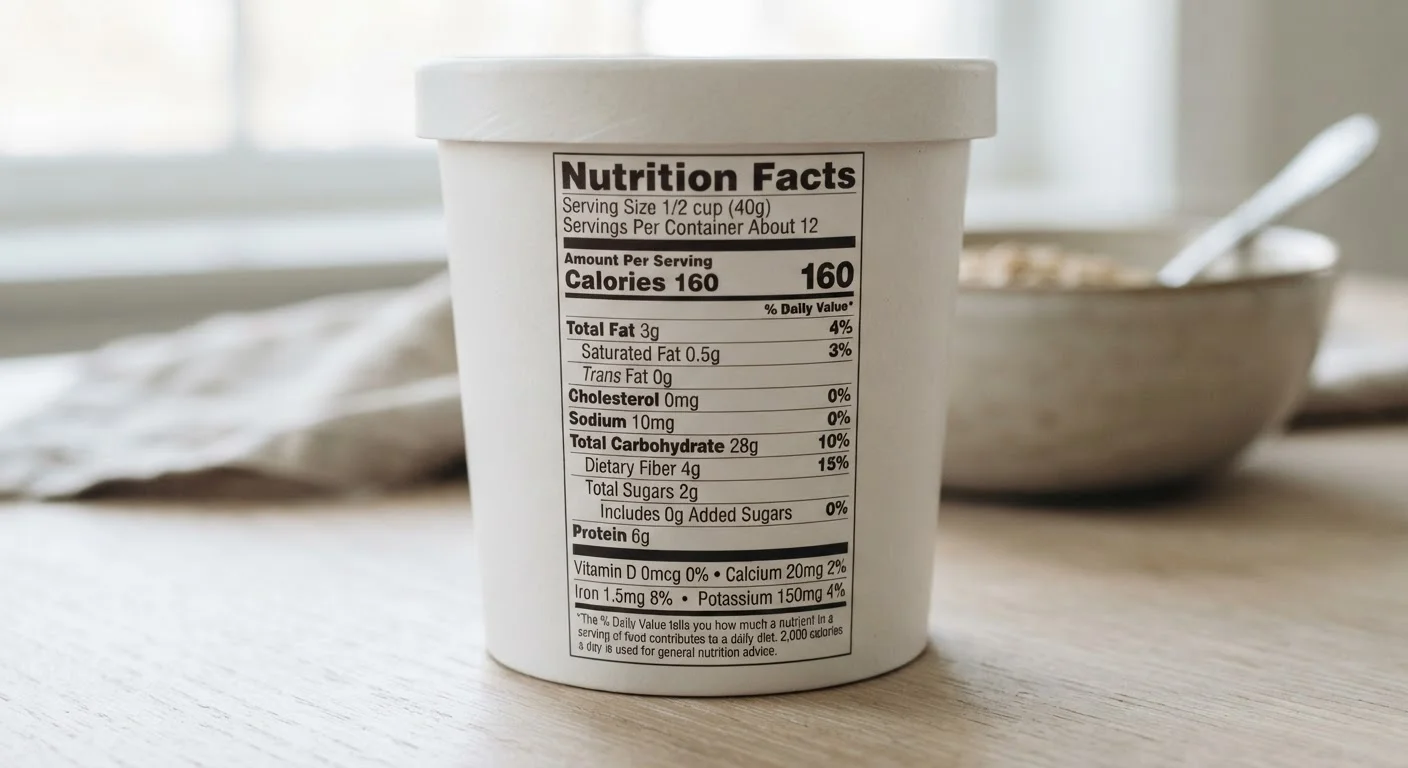
Photo: AdvisorBooth.net editorial
Key Takeaways
- Serving size is the starting point - all other numbers on the label are based on it.
- The % Daily Value column tells you whether a nutrient is high or low relative to a general 2,000-calorie diet.
- Added sugars and sodium are two nutrients worth paying close attention to on most labels.
- The ingredients list reveals what's actually in a product, ordered by weight from most to least.
- No single food is inherently good or bad - context and overall eating patterns matter most.
Why Nutrition Labels Feel So Overwhelming
If you've ever stood in a grocery aisle staring at a food label and walked away more confused than when you started, you're in good company. The Nutrition Facts panel is dense by design - it has to pack a lot of regulated information into a small space. But once you understand the underlying structure, the numbers start to make sense.
The U.S. Food and Drug Administration (FDA) standardized the Nutrition Facts label format, and most packaged foods sold in the United States are required to carry it. That means the layout is consistent, which is actually a helpful feature once you know what each section is for. If you're newer to thinking about food and eating, this beginner-friendly nutrition overview can give you useful grounding before diving into labels.
What you will need
How to Read a Nutrition Facts Label, Step by Step
Work through the label from top to bottom - the sections are arranged in a deliberate order that builds on each other.
Start with Serving Size
The very first line after the bold "Nutrition Facts" heading shows the serving size and the number of servings per container. This is the most important number on the label because every other figure - calories, fat, sodium, everything - is calculated per that single serving.
A bag of chips might list 150 calories, but if the serving size is 1 oz and the bag contains 3 servings, eating the whole bag means consuming roughly 450 calories. This isn't a trick; it's just math. Always check how your actual portion compares to the listed serving size.
Check the Calorie Count
Calories measure the total energy a food provides per serving. The label displays this number prominently. Calories come from all three macronutrients - carbohydrates, protein, and fat - as well as alcohol when present.
Calories are a useful reference point, but they don't tell you much about nutritional quality on their own. A 200-calorie serving of almonds and a 200-calorie serving of a sugary snack cake have very different nutritional profiles.
Scan the Nutrients Listed Below Calories
The label lists total fat (broken into saturated and trans fat), cholesterol, sodium, total carbohydrates (broken into dietary fiber and total sugars, with added sugars called out separately), and protein. Vitamins and minerals appear at the bottom.
Pay particular attention to:
- Added sugars: This line, required on U.S. labels since the FDA's 2020 update, distinguishes sugars added during processing from those naturally present in ingredients like fruit or dairy.
- Sodium: Many packaged foods contain more sodium than you might expect. Keeping an eye on this figure across the day can be informative.
- Dietary fiber: Most Americans fall short of recommended fiber intake. Fiber does far more than aid digestion, and the label tells you exactly how much a serving contains.
Understand the % Daily Value Column
The right-hand column shows % Daily Value (%DV) for most nutrients. This percentage reflects how much of a nutrient one serving contributes to a general daily reference intake based on a 2,000-calorie diet. It's a rough benchmark, not a personalized target.
A useful rule of thumb recognized by nutrition educators: 5% DV or less is generally considered low for a nutrient; 20% DV or more is considered high. Use this to quickly compare products or gauge whether a food is notably high or low in something specific.
Look at the Footnote
At the very bottom of the label, a small footnote explains that the %DV figures are based on a 2,000-calorie diet. This footnote sometimes also shows reference daily values for key nutrients. It's easy to miss, but knowing it's there helps you interpret the %DV column correctly.
What the Ingredients List Tells You
Just below the Nutrition Facts panel, you'll almost always find an ingredients list. This section doesn't get enough attention, but it's genuinely revealing. Ingredients are listed in descending order by weight - whatever appears first makes up the largest portion of the product.
If sugar (under any of its many names - high-fructose corn syrup, cane juice, dextrose, maltose) appears near the top, the product contains a meaningful amount of it. For a deeper look at how added and natural sugars differ, see our guide on natural vs. added sugar.
A long ingredients list isn't automatically a red flag, and a short one isn't automatically a green light. Understanding how processing affects food can add useful nuance here. What matters most is whether you recognize what's in the product and whether it fits into your broader eating habits.
Unfamiliar Ingredient? Look It Up
Putting It All Together
Reading labels is a skill that gets easier with practice. The goal isn't to scrutinize every gram at every meal - it's to feel less confused and more confident when you choose to look. If you want to go further with the vocabulary you encounter on labels and in nutrition articles, our plain-language nutrition glossary is a handy reference. And if you're curious how the macronutrients listed on every label - carbohydrates, protein, and fat - actually function in your body, this macronutrients explainer breaks it down clearly.
No label can tell the whole story of a food's value in your life, and no single food defines the quality of your overall diet. Use labels as one informed tool among many - not as a pass/fail grade.
This article is for general informational and educational purposes only and is not a substitute for personalized advice from a qualified healthcare provider or registered dietitian.
The content on this site is for informational purposes only and is not a substitute for professional advice. Always consult a qualified professional for guidance specific to your situation.