
Macronutrients Explained: What Carbs, Protein, and Fat Actually Do in Your Body

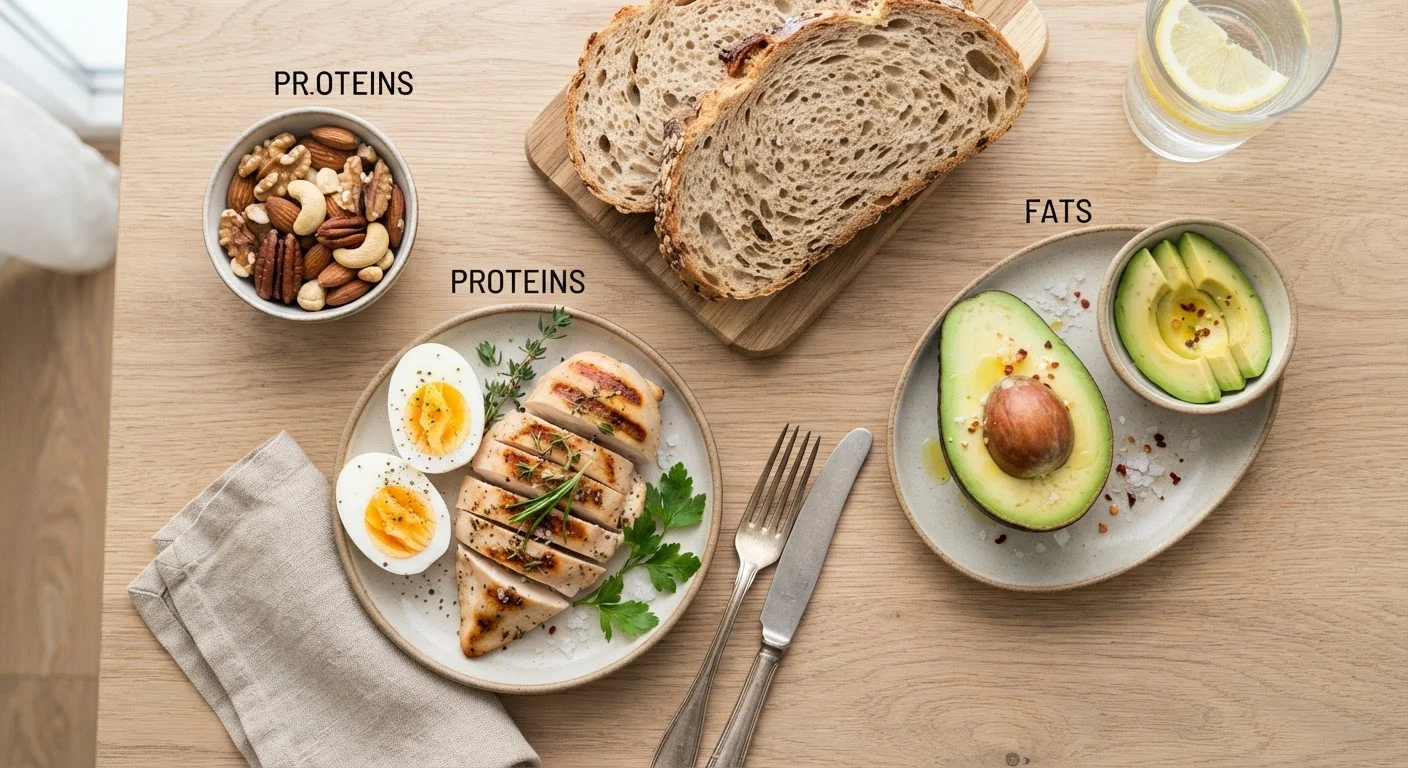
Photo: AdvisorBooth.net editorial
Key Takeaways
- Carbohydrates are your body's preferred and most efficient source of immediate energy.
- Protein provides amino acids that build and repair tissues, enzymes, and immune cells.
- Dietary fat supports hormone production, brain function, and fat-soluble vitamin absorption.
- All three macronutrients are necessary - no single one is universally 'good' or 'bad'.
- Balance and food quality matter more than eliminating any one macronutrient.
Carbohydrates: Your Body's First-Choice Fuel
Carbohydrates get a complicated reputation, but at a biological level their job is straightforward: they are your body's preferred source of quick, efficient energy. When you eat carbs - whether from bread, fruit, beans, or vegetables - your digestive system breaks them down into glucose, which enters your bloodstream and powers everything from muscle contractions to brain activity.
Not all carbohydrates behave the same way. Simple carbohydrates, found in table sugar and refined grains, break down rapidly and cause faster blood sugar responses. Complex carbohydrates, found in whole grains, legumes, and starchy vegetables, digest more slowly, providing a more sustained energy release. Fiber - technically a carbohydrate - passes largely undigested and plays its own important role in gut health. You can explore that topic further in our article on dietary fiber and why most Americans fall short.
When Carb Intake Drops Very Low
When carbohydrate intake is very low for an extended period, the body shifts into a metabolic state called ketosis, using fat-derived ketone bodies as an alternative fuel. This is the basis of ketogenic diets, though its long-term effects are still an active area of research.
Protein: The Body's Builder and Maintainer
Protein is often associated with muscle, but its roles go much further. Every protein you eat is broken down into amino acids - smaller molecules your body reassembles into the proteins it needs for hundreds of functions: repairing damaged tissue, producing enzymes and hormones, supporting immune cells, and even transporting oxygen in the blood via hemoglobin.
Of the 20 amino acids the body uses, nine are classified as essential - meaning your body cannot make them and must obtain them from food. Animal proteins (meat, dairy, eggs) typically supply all nine essential amino acids in sufficient quantities. Many plant proteins are lower in one or more essential amino acids, but eating a varied plant-based diet throughout the day can easily cover the full spectrum.
9 kcal/g
Energy density of dietary fat
Fat provides more than twice the calories per gram compared to carbohydrates or protein, making it the body's most energy-dense macronutrient - per standard nutritional science.
~60%
Proportion of brain dry weight that is fat
According to neuroscience research, the human brain's dry weight is approximately 60% lipid, underscoring why dietary fat is important for neurological development and function.
9 essential
Amino acids humans must get from food
Of the 20 amino acids used to build proteins in the body, nine cannot be synthesized internally and must be obtained through diet, according to established nutritional biochemistry.
Protein is also notably filling. It tends to produce a stronger satiety signal than carbohydrates or fat of the same caloric value, partly because it takes more energy for the body to process - a phenomenon researchers call the thermic effect of food.
Fat: Far More Than Stored Energy
Dietary fat has long been misunderstood. For decades, public health messaging equated eating fat with gaining fat - a conflation that the evidence has since complicated considerably. Fat is, in fact, essential for survival. It insulates organs, forms the structural layer of every cell membrane in your body, and is the only way your body can absorb the fat-soluble vitamins A, D, E, and K.
Fat also plays a critical role in hormone production, including sex hormones and stress hormones. The brain itself is roughly 60% fat by dry weight, making dietary fat important for neurological function throughout life.
The types of fat matter. Unsaturated fats - found in olive oil, fatty fish, nuts, and avocados - are broadly associated with positive cardiovascular outcomes in research. Saturated fats, found in red meat and full-fat dairy, remain a topic of ongoing scientific discussion regarding heart health. Artificial trans fats, largely removed from the U.S. food supply, carry the clearest evidence of harm. To learn more about separating fact from fiction in nutrition, see our piece on persistent nutrition myths and what science actually says.
Why Your Body Needs All Three
Popular diets often frame macronutrients as competitors - cut carbs, boost protein, avoid fat - but your body doesn't treat them that way. In practice, these three nutrients work together. Fat slows the digestion of carbohydrates, moderating blood sugar responses. Protein and fat together promote satiety. Carbohydrates spare dietary protein from being burned for energy, allowing it to do its structural and functional work instead.
The quality of the foods delivering each macronutrient tends to matter more than the precise ratio. A diet rich in whole foods - vegetables, legumes, whole grains, lean proteins, and healthy fats - will provide a functional macronutrient balance without the need for meticulous calculation. Understanding what's in your food is a helpful starting point; our guide on reading a nutrition facts label can help you interpret the numbers you see on packaging.
If you're managing a specific health condition or have questions about your personal dietary needs, a registered dietitian is the most reliable resource for individualized guidance.
This article is for general informational and educational purposes only and is not a substitute for professional medical or dietary advice. Always consult a qualified healthcare provider with questions about your health or nutrition needs.
Frequently Asked Questions
The content on this site is for informational purposes only and is not a substitute for professional advice. Always consult a qualified professional for guidance specific to your situation.