
Sugar: Natural vs. Added, and Why the Distinction Matters

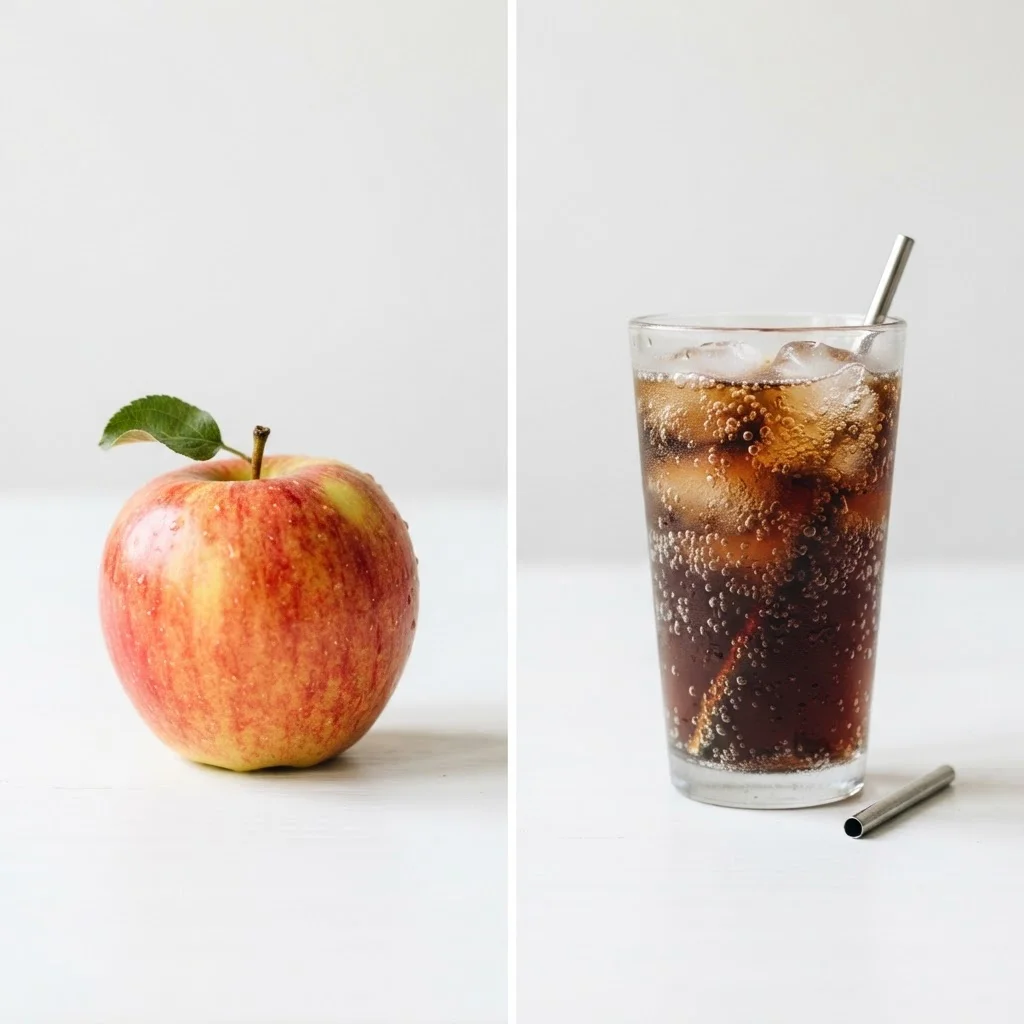
Photo: AdvisorBooth.net editorial
Key Takeaways
- Natural sugars arrive with fiber, vitamins, and minerals that slow absorption and provide nutritional value.
- Added sugars are incorporated during processing and contribute calories with little to no nutritional benefit.
- U.S. dietary guidelines specifically limit added sugars, not the natural sugars found in whole foods.
- Nutrition Facts labels are now required to list added sugars separately, making it easier to track intake.
- The source and food context of sugar matters more than the chemical form of the sugar itself.
What Makes These Two Types of Sugar Different?
Chemically speaking, the fructose in a mango and the high-fructose corn syrup in a flavored beverage can look nearly identical at the molecular level. So why do nutrition scientists and dietary guidelines treat them so differently?
The answer isn't really about the sugar molecule itself - it's about context. Natural sugars exist within a food matrix loaded with fiber, water, vitamins, and minerals. That surrounding structure slows digestion, moderates the rate at which glucose enters your bloodstream, and delivers nutrients alongside energy. Added sugars, on the other hand, are introduced into foods during manufacturing or preparation - think cane sugar stirred into yogurt, honey drizzled into salad dressing, or corn syrup blended into a sports drink. They contribute sweetness and calories, but without meaningful nutritional accompaniment.
This distinction became formal policy when the U.S. Food and Drug Administration updated the Nutrition Facts label to require a separate line for added sugars. That change reflected a scientific consensus: the source and food context of sugar influences health in ways that a simple total-sugar number cannot capture. For a closer look at how to read that updated label, see Reading a Nutrition Facts Label Without the Confusion.
How Each Type Behaves in Your Body
When you eat a whole apple, the natural sugars it contains are bound up with pectin and other soluble fibers. Digestion slows, and the sugar is released more gradually into your bloodstream. Your body also receives potassium, vitamin C, and antioxidants in the same package - a very different metabolic event than drinking a sweetened beverage that delivers a concentrated sugar load rapidly.
Added sugars in liquid form are particularly notable because liquids bypass some of the satiety signals that solid food triggers. Research suggests that calories consumed in sweetened drinks may not register the same sense of fullness as the equivalent calories eaten as solid food, potentially leading to higher overall calorie intake. This is an area of active nutrition research, and individual responses vary, but it helps explain why health bodies pay particular attention to sugar-sweetened beverages.
| Criterion | Natural Sugar | Added Sugar |
|---|---|---|
| Origin | Occurs naturally in whole foods | Added during manufacturing or cooking |
| Examples | Fruit, milk, plain vegetables | Soda, sweetened yogurt, sauces |
| Nutritional accompaniment | Fiber, vitamins, minerals | Little to none |
| Digestion rate | Slower due to fiber matrix | Often faster, especially in liquids |
| Covered by dietary guidelines limit | No - not specifically restricted | Yes - guidelines set a limit |
| Listed separately on labels | No | Yes - required on Nutrition Facts panel |
None of this means natural sugar is unlimited or consequence-free - people with specific metabolic conditions may need to monitor all sugar sources carefully, and that's a conversation best had with a qualified healthcare provider. But for the general population, guidelines draw the line at added sugars for good reason.
Where Added Sugars Hide - and How to Spot Them
One of the trickier aspects of managing added sugar intake is that it shows up in foods you might not associate with sweetness: pasta sauce, bread, flavored nuts, salad dressings, and even some savory crackers. Food manufacturers use dozens of names for added sugars on ingredient lists - including sucrose, dextrose, maltose, agave nectar, cane juice, and fruit juice concentrate, among others.
17 tsp
Average daily added sugar consumed by U.S. adults
According to CDC data, U.S. adults consume roughly 17 teaspoons of added sugar daily - well above the general guideline reference of about 12 teaspoons for a 2,000-calorie diet.
~40%
Share of added sugar intake from beverages
The CDC estimates that sugar-sweetened beverages account for approximately 40% of added sugar intake among American adults, making them the single largest source.
60+
Names for added sugar on ingredient labels
Nutrition researchers have identified more than 60 different terms used to describe added sugars on packaged food ingredient lists, making label literacy an important consumer skill.
The most reliable tool available to everyday shoppers is the Nutrition Facts label, which now separates "Added Sugars" from "Total Sugars" - making it possible to see exactly how much sugar was incorporated during processing. The Dietary Guidelines for Americans suggest keeping added sugars to less than 10% of daily calorie intake, a benchmark that health organizations use as a general reference point, not a personal prescription.
Understanding the difference between whole and processed foods can also help you spot where added sugars tend to cluster. Our piece on Whole Foods vs. Processed Foods explores this in practical detail.
This article is for general informational and educational purposes only and is not a substitute for professional medical or dietary advice. Consult a qualified healthcare provider for guidance tailored to your individual health needs.
The content on this site is for informational purposes only and is not a substitute for professional advice. Always consult a qualified professional for guidance specific to your situation.