
Car Fluids Every Driver Should Know About

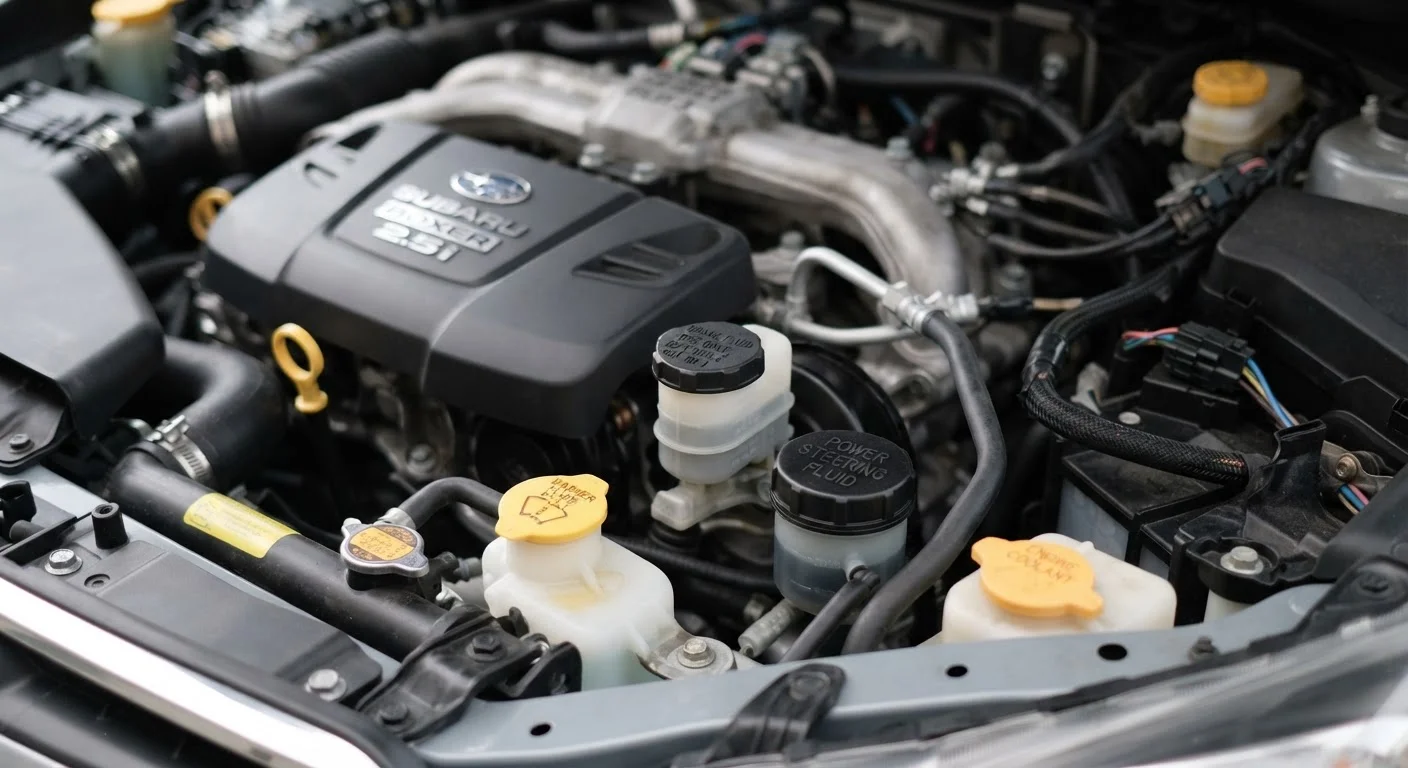
Photo: AdvisorBooth.net editorial
Why Vehicle Fluids Matter
A modern car relies on several distinct fluids to lubricate moving parts, transfer heat, generate hydraulic pressure, and protect critical systems from corrosion. When any one of these fluids runs low, degrades, or leaks, it can quietly set off a chain of mechanical problems - often before a warning light ever appears. Understanding what each fluid does gives you a meaningful advantage as a vehicle owner.
This reference covers the six fluids most drivers encounter, what to watch for, and when a qualified mechanic should be involved. For a broader look at keeping your car healthy, see our car maintenance guide for first-time owners.
The Six Essential Fluids
Engine Oil
Engine oil lubricates internal moving parts and carries heat away from the combustion zone. Most vehicles use conventional or synthetic oil, and the correct viscosity (such as 5W-30) is specified in your owner's manual. Check the dipstick with the engine cold and the car on level ground. Dark brown or black oil that smells burnt typically signals it's time for a change. Low oil pressure is a serious condition - stop driving and consult a mechanic promptly.
Coolant (Antifreeze)
Coolant circulates through the engine and radiator to regulate operating temperature. It also prevents freezing in cold climates and corrosion year-round. Never open the radiator cap when the engine is hot - pressurized coolant can cause serious burns. Check the translucent overflow reservoir instead. Coolant is typically replaced every 30,000-50,000 miles, though intervals vary by vehicle.
Brake Fluid
Brake fluid transmits the force from your pedal through hydraulic lines to the brake calipers. It is hygroscopic, meaning it absorbs moisture over time, which lowers its boiling point and reduces braking effectiveness. Spongy pedal feel or a low reservoir are signs worth investigating. For a deeper look at common misconceptions, read our article on brake maintenance myths.
Transmission Fluid
Transmission fluid lubricates gears and, in automatic transmissions, acts as a hydraulic fluid. It degrades with heat and use. Many manufacturers designate it as a lifetime fill, but independent mechanics often recommend periodic inspection. Slipping gears, delayed shifting, or a burnt smell are indicators that a mechanic should evaluate the fluid.
Power Steering Fluid
Vehicles with hydraulic power steering use this fluid to assist wheel movement. A whining noise when turning or stiff steering can indicate a low or deteriorating supply. Many newer vehicles use electric power steering and do not have this reservoir at all.
Windshield Washer Fluid
While not a mechanical necessity, washer fluid directly affects visibility and road safety. Use a product formulated for your climate - plain water can freeze in the lines and crack the reservoir in winter temperatures.
Viscosity
A measure of a fluid's resistance to flow. In engine oil, the viscosity rating (e.g., 5W-30) indicates how the oil performs at both low and high temperatures.
Hygroscopic
The tendency of a substance to absorb moisture from the surrounding air. Brake fluid's hygroscopic nature causes its boiling point to drop as it ages.
Hydraulic pressure
Force transmitted through an incompressible liquid. Brake and power steering systems rely on hydraulic pressure to multiply the force you apply with your hands or feet.
Coolant overflow reservoir
A translucent plastic tank connected to the radiator where you can safely check coolant level without opening the pressurized radiator cap.
Dipstick
A thin metal rod inserted into the oil pan or transmission housing, used to measure fluid level by reading the markings on the rod after it is removed and wiped clean.
When to Check and When to Call a Mechanic
Checking most fluids requires only a few minutes and no special tools. The owner's manual is your most reliable reference for intervals, fluid specifications, and dipstick locations. As a general habit, checking oil and coolant levels monthly is reasonable for most drivers.
Some warning signs - a sudden drop in any fluid level, discolored or contaminated fluid, or fluid puddles under a parked car - indicate a leak or internal problem that a qualified mechanic should diagnose. Do not add fluid and drive on indefinitely; a leak that goes unaddressed tends to worsen. If a dashboard warning light accompanies a fluid concern, our guide to dashboard warning lights explains what each indicator typically means.
Fluid maintenance is also one of the most frequently overlooked service categories. Our article on neglected maintenance items mechanics see most often covers why coolant and transmission fluid in particular tend to be deferred until a failure occurs.
The content on this site is for informational purposes only and is not a substitute for professional advice. Always consult a qualified professional for guidance specific to your situation.