
Warning Lights on Your Dashboard: What Each One Is Telling You

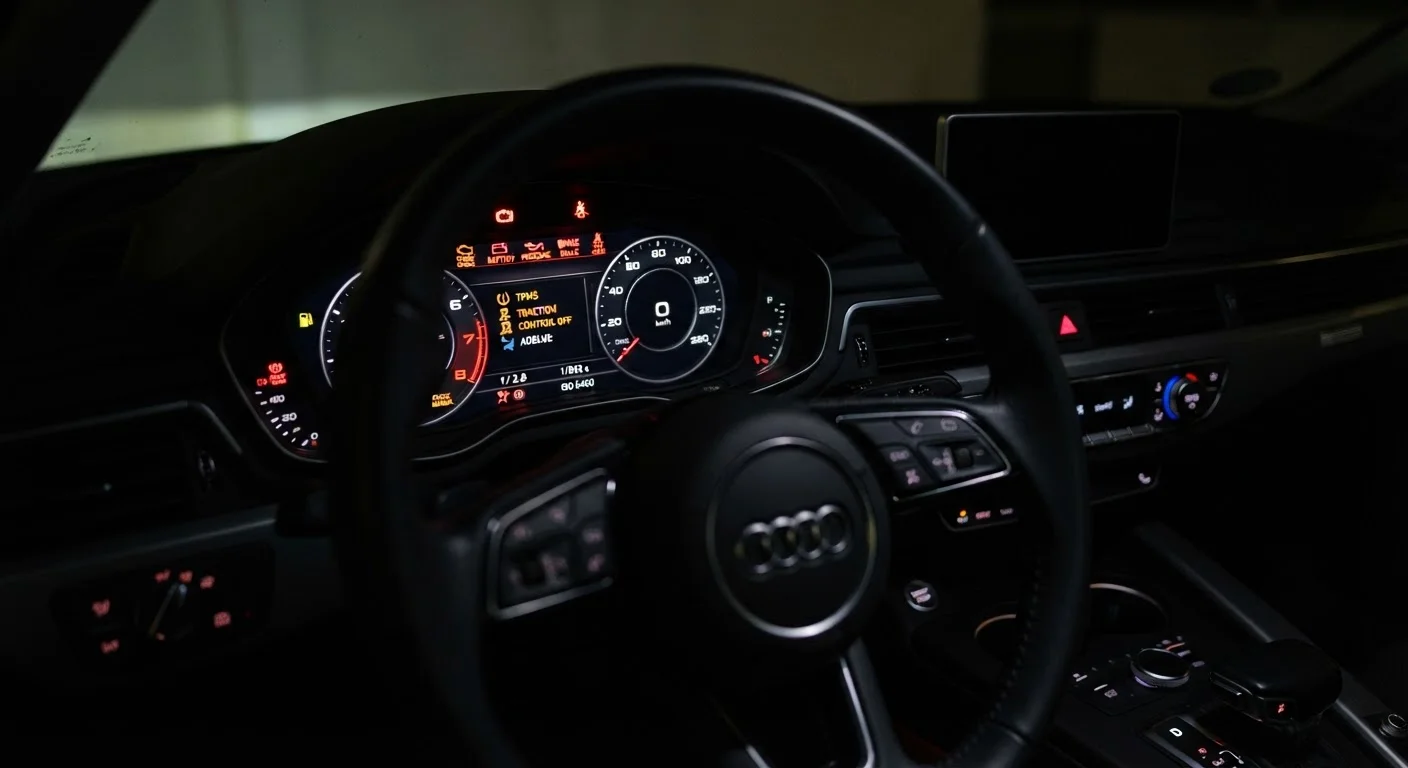
Photo: AdvisorBooth.net editorial
How Dashboard Warning Lights Work
Modern vehicles use an onboard diagnostic system - commonly called OBD-II - that continuously monitors dozens of sensors throughout the car. When a sensor detects a reading outside acceptable parameters, it triggers a warning light on the instrument cluster. Think of these lights as your vehicle's way of communicating problems it can't verbally report.
Warning lights generally follow a color-coded urgency system:
- Red: Requires immediate attention. Stop driving as soon as it is safe to do so.
- Amber/Yellow: A caution signal. The issue needs attention soon but is not necessarily an emergency.
- Green or Blue: Informational only - a system is active, not a fault.
Color conventions can vary slightly by manufacturer, so your owner's manual is the definitive reference for your specific vehicle.
Critical Red Lights: Stop and Act Immediately
Red warning lights signal conditions that can cause serious engine damage, brake failure, or safety hazards if ignored. Never assume a red light will resolve on its own.
Oil Pressure Warning
This light - often shaped like an oil can - means your engine is not receiving adequate oil pressure. Continuing to drive can cause catastrophic engine damage within minutes. Pull over safely, shut off the engine, and check the oil level. If the oil level is normal and the light stays on, do not restart the vehicle; have it towed to a mechanic.
Engine Temperature Warning
A thermometer icon or the letters TEMP indicates the engine is overheating. Pull over, turn off the engine, and allow it to cool. Never open the radiator cap on a hot engine. Running an overheated engine can warp cylinder heads - a repair that costs significantly more than the service call that could have prevented it. See our guide to car fluids for more on coolant and its role in temperature regulation.
Battery / Charging System
A battery icon that illuminates while driving (not just at startup) signals that the charging system is failing. Your vehicle is running on battery reserve power only. Reduce electrical load - turn off the A/C and non-essential accessories - and drive directly to a service location before the battery drains completely.
Brake System Warning
If this light appears and the parking brake is fully released, it may indicate low brake fluid or a fault in the hydraulic brake system. Have the vehicle inspected before driving further. Your brakes are your primary safety system.
Amber Lights: Schedule Service Soon
Amber or yellow lights indicate developing issues that won't necessarily strand you today but will worsen - and cost more - if deferred.
Check Engine Light (MIL)
The Malfunction Indicator Lamp is one of the most misunderstood lights on any dashboard. It can signal anything from a loose gas cap to a misfiring cylinder. A steady check engine light means get the vehicle scanned soon. A flashing check engine light indicates an active misfire that can damage the catalytic converter - reduce speed and seek service promptly. Auto parts retailers often scan the code for free, giving you a starting point for diagnosis.
Tire Pressure Monitoring System (TPMS)
A horseshoe-shaped icon with an exclamation point means one or more tires is significantly under-inflated. Check all four tires (and the spare if applicable) with a gauge. Driving on underinflated tires reduces fuel economy, accelerates wear, and increases blowout risk. For a broader safety habit, review our pre-trip vehicle safety walkthrough before long trips.
Transmission Temperature
This light indicates your transmission fluid is overheating, often from towing heavy loads or stop-and-go traffic. Reduce load and allow the vehicle to cool. Persistent activation warrants a fluid inspection.
ABS Warning Light
The Anti-lock Braking System light means the ABS computer has detected a fault. Your standard brakes still function, but the anti-lock feature may be disabled. Understand how ABS works and what it protects against by reading our overview of active safety systems.
When to Keep Driving - and When Not To
A common driver mistake is ignoring amber lights indefinitely or panicking unnecessarily over informational ones. The clearest rule: any red light is a reason to stop driving as soon as safely possible. Amber lights warrant a call to your mechanic and an appointment within days, not weeks.
Documenting patterns helps your technician diagnose intermittent issues faster. Note when the light appeared, what you were doing (accelerating, idling, towing), and whether any symptoms - sounds, smells, or handling changes - accompanied it.
Staying ahead of warning signs connects directly to your broader maintenance picture. Our article Your Car's Maintenance Schedule, Explained walks through what those mileage milestones in your owner's manual actually mean and why following them reduces the frequency of unexpected warning lights in the first place.
The content on this site is for informational purposes only and is not a substitute for professional advice. Always consult a qualified professional for guidance specific to your situation.