
Keeping Your Apps Organized and Useful Over Time

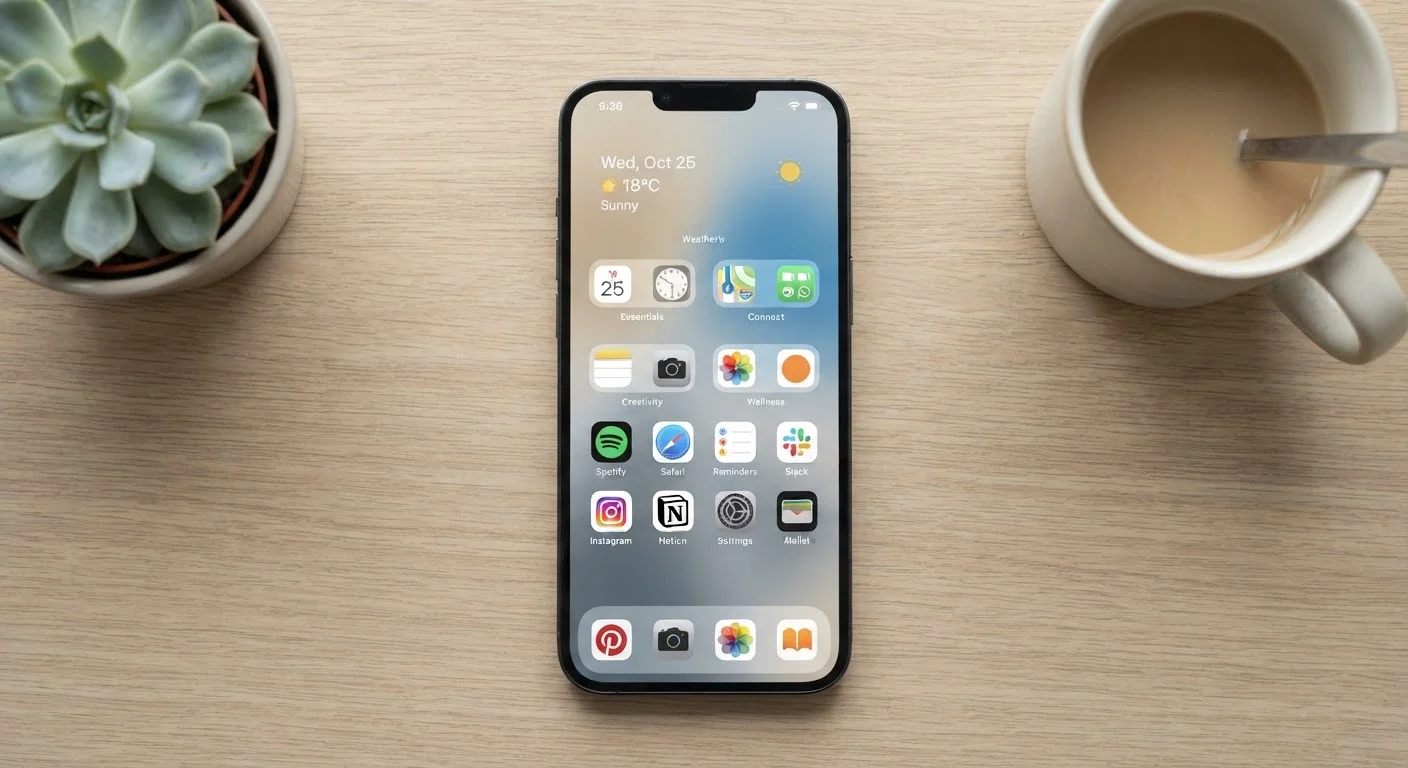
Photo: AdvisorBooth.net editorial
Key Takeaways
- Most people keep far more apps than they actively use, and the unused ones still consume storage and permissions.
- A simple quarterly audit habit prevents digital clutter from quietly building up over time.
- Grouping apps by purpose - not by platform - makes them easier to find and use.
- Reviewing app permissions regularly is a practical privacy habit, not just a technical one.
- Unused apps that stay installed can drain battery and collect personal data in the background.
Why Apps Pile Up Faster Than You Notice
Installing an app takes seconds. Deciding to remove one takes far longer - which is exactly why most people's devices carry dozens of apps they no longer use, recognize, or need. A game downloaded for a long flight, a coupon app used once, a tool installed for a single project: these accumulate quietly in the background.
Unlike a cluttered drawer you can see, app clutter is invisible day to day. But it has real costs: storage space fills up, background processes can drain battery life, and apps you've forgotten about may still hold active permissions to your location or contacts. Understanding how free apps generate revenue adds another reason to think carefully about what stays installed.
App Clutter Mirrors Physical Clutter
Core Practices for Keeping Your App Library in Shape
Staying on top of your apps doesn't require a dramatic overhaul - it requires consistent, low-effort habits applied at regular intervals. The practices below are straightforward enough to become routine, and each one addresses a specific way app clutter tends to grow back after a cleanup.
Conduct a quarterly app audit instead of waiting until storage runs out.
Delete apps you haven't opened in 60 days without second-guessing it.
Group apps into folders by task or context, not by category label.
Review app permissions whenever you do your quarterly audit.
Keep your home screen limited to apps you open at least once a week.
Quick Wins You Can Act On Today
You don't need to wait for a scheduled audit to start reclaiming control. A few targeted actions right now can make an immediate difference in how your device performs and how easy it is to find what you need.
Making the Habit Stick Over Time
The reason most digital organization efforts unravel isn't a lack of intention - it's the absence of a maintenance system. Organizing once and hoping it holds is the same pattern that leads to reorganizing the same physical spaces repeatedly without lasting results.
The solution is to build the audit into your existing routines rather than treating it as a separate project. Pair it with something you already do quarterly - a financial review, a subscription check, a device backup. If your device's storage, battery, and performance matter to you long-term, habits that extend hardware life naturally include keeping software lean.
One additional habit worth building alongside app organization: periodically reviewing what data your apps are storing locally or syncing to the cloud. A clearer understanding of how cloud storage and cloud apps work helps you make more informed decisions about which apps earn long-term space on your device - and which are better off reinstalled only when you need them.
The content on this site is for informational purposes only and is not a substitute for professional advice. Always consult a qualified professional for guidance specific to your situation.