
Why Organizing the Same Spaces Over and Over Keeps Happening

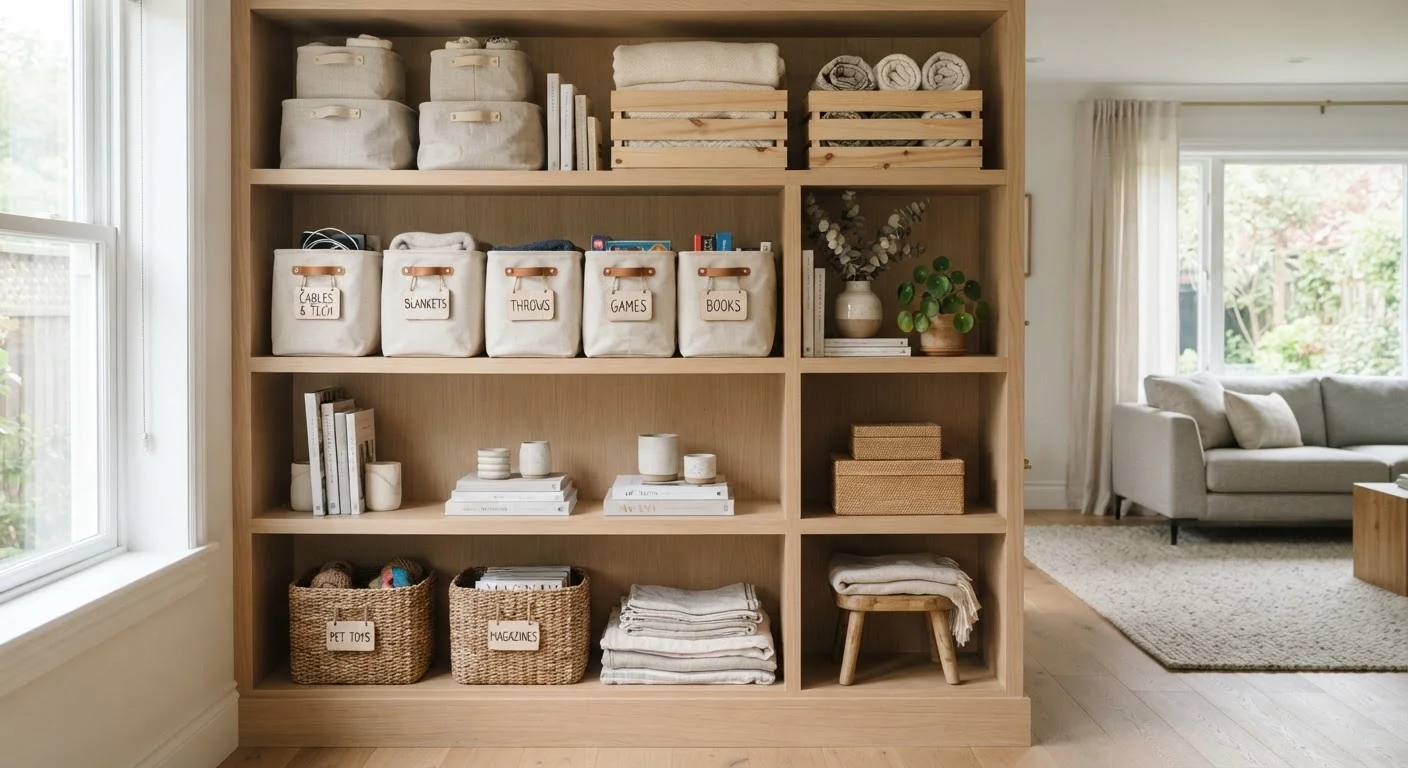
Photo: AdvisorBooth.net editorial
Key Takeaways
- Organizing the same spaces repeatedly usually signals a flawed system, not a personal failing.
- Storage solutions work only when they match how your household actually uses a space.
- Decluttering before organizing is essential - containers cannot fix excess stuff.
- Habits and routines matter more than any single organizing session.
- Small, consistent resets prevent the need for large, exhausting overhauls.
The Real Reason Organization Doesn't Stick
If you've reorganized the same closet, counter, or junk drawer multiple times and watched it unravel within days, you're not alone - and it isn't a discipline problem. The cycle almost always comes down to a mismatch between how a space is set up and how people actually live in it.
Most organizing advice focuses on the one-time event: sort, purge, contain. What it often skips is the maintenance layer - the daily habits and realistic systems that determine whether order holds. Without that layer, even a beautifully organized space will drift back to chaos.
Understanding the mistakes that fuel the cycle is the first step toward breaking it. The fixes are often simpler than people expect. See our comprehensive home organization guide for a broader look at building systems that hold up over time.
Organizing before decluttering, so the excess simply gets neatly rearranged.
Designing a system around an ideal version of your habits rather than your real ones.
Using containers and labels as the organizing strategy rather than as a finishing step.
Skipping a maintenance routine so small messes compound into full re-organizing projects.
Organizing alone when the whole household shares the space.
Building Systems That Actually Hold
Once you've identified the mistakes driving your cycle, the path forward is building systems designed for your real life - not an idealized version of it.
80%
Of clutter is due to disorganization, not lack of space
Organizing research commonly cited by professional organizers suggests the vast majority of clutter issues stem from system failures rather than insufficient storage.
~30 min
Average time lost daily searching for misplaced items
Studies on household productivity suggest adults spend significant time each day locating items - time that consistent systems can largely eliminate.
Start by observing where clutter naturally accumulates for a week before touching anything. Those spots are telling you something: maybe there's no logical home for items landing there, or the designated home is too inconvenient to use consistently. Fix the friction first.
Then address volume. No organizational system can compensate for more belongings than a space can comfortably hold. Pair your next organizing session with a genuine declutter pass. For specific trouble spots, the kitchen drawer organization guide walks through practical sorting methods that work even in the most chaotic drawers.
Finally, build a short reset routine - five to ten minutes at the end of each day or week dedicated to returning items to their homes. It isn't glamorous, but it's the difference between maintaining a system and redoing it from scratch every month. For guidance on managing inflow - one of the most overlooked maintenance steps - see how the one-in, one-out rule actually works.
Don't Confuse a Tidy Session With a System
The content on this site is for informational purposes only and is not a substitute for professional advice. Always consult a qualified professional for guidance specific to your situation.