
Home Organization From Every Angle: Spaces, Systems, and Long-Term Habits

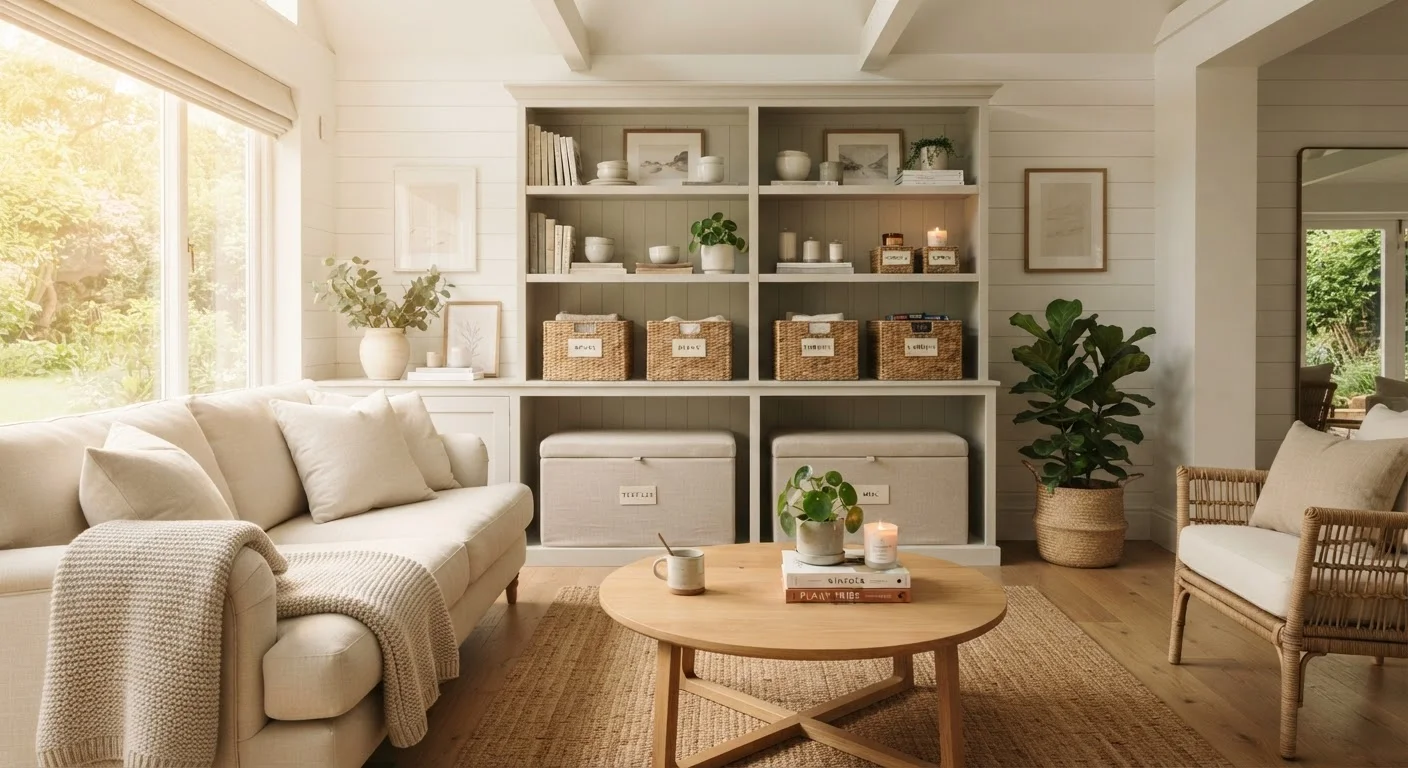
Photo: AdvisorBooth.net editorial
Key Takeaways
- Organizing room by room prevents overwhelm and produces faster visible results.
- Sustainable systems matter more than aesthetic perfection or expensive containers.
- Decluttering before organizing saves time and prevents wasted storage solutions.
- Daily five-minute resets are the most reliable way to maintain an organized home.
- Most organization problems stem from habits, not inadequate storage space.
Why Home Organization Feels Overwhelming (And What Actually Helps)
Most people don't struggle with organization because they're lazy or lack discipline. They struggle because they're trying to fix a symptom - clutter - without addressing the systems (or lack of them) underneath it. A tidy space achieved by shoving things into drawers only creates a more frustrating mess later.
The real goal is a home where things have a logical, consistent home and where putting items back is easier than leaving them out. That shift in thinking changes everything about how you approach the process.
If you've cleaned and reorganized the same spaces multiple times without lasting results, you're not alone. Our guide on why the same spaces keep needing reorganizing explains the behavioral patterns behind this cycle and how to break them for good.
Start Small to Build Momentum
Room-by-Room Organizing Strategies
Tackling your entire home at once is a reliable way to burn out by noon. Instead, assign each room its own session and focus on function over appearance.
Kitchen
Group items by task: cooking tools near the stove, coffee gear near the outlet you use, everyday plates at reachable height. Clear counters of anything not used daily. Cabinet doors are an underused storage surface - small hooks or thin shelves can mount there.
Bedroom
The bedroom should support rest, which means reducing visual noise. Nightstand surfaces limited to three to five items help significantly. Under-bed storage works well for seasonal clothing and linens, but only when used with labeled containers, not as a catch-all.
Living Areas
Shared spaces accumulate clutter fastest because everyone uses them. Assign every frequently used item - remotes, chargers, magazines - a specific container or drawer. When it's full, something leaves before something new arrives.
Bathroom
Expired products are the most common bathroom clutter culprit. Purge them first. Group by use (skincare, dental, hair) and store daily items within arm's reach of where you use them.
Garage and Storage Areas
Zone your garage: tools, sporting equipment, seasonal items, and automotive supplies each belong in a dedicated section. Shelving off the floor protects items and makes sweeping manageable. See also seasonal home maintenance tasks to coordinate garage organization with broader upkeep cycles.
25%
Of homeowners cite clutter as a major stress source
According to surveys by professional organizing associations, roughly one in four homeowners report that household clutter significantly affects their stress levels.
80%
Of clutter is from indecision, not lack of space
Professional organizers frequently cite indecision about whether to keep or discard items - not insufficient storage - as the primary driver of household clutter.
Building Systems That Outlast the Initial Effort
A system is simply an agreed-upon way things are handled - where they live, who maintains them, and what triggers a reset. Good systems are frictionless: they work even on tired evenings.
The most effective principle here is one in, one out. Every time something new enters your home, something comparable leaves. This single rule does more to prevent accumulation than any storage product.
Label everything you store out of direct sight. Brains don't naturally remember what's inside opaque containers. Labels eliminate the guesswork that leads to buying duplicates or not finding things when needed.
Before buying any storage product, measure the space and live with it empty for a week. You'll discover how you actually use the area, which almost always differs from how you think you use it.
Store things at the point of use, not where they seem to belong logically. If you pay bills at the kitchen table, a bill organizer belongs in the kitchen - not the home office.
For households with multiple people, shared agreements about where things go are more important than the specific system chosen. An imperfect system everyone follows beats a perfect one only one person maintains.
Decluttering: Where to Begin and How to Finish
Decluttering before organizing is non-negotiable. Organizing clutter just relocates the problem. Before you buy a single bin or label maker, remove what you don't use, don't need, or don't genuinely like having.
A practical starting point: pick one category across your whole home - clothing, books, kitchen gadgets - rather than one room. This prevents the frustrating experience of shuffling items from room to room without actually reducing them.
For first-timers or anyone dealing with years of accumulation, our full walkthrough at decluttering your home from scratch covers every stage at an accessible pace.
When deciding what to keep, the most durable question isn't "does this spark joy?" but rather: Would I buy this again today? That framing cuts through sentimental paralysis more reliably for most people.
Habits That Keep a Home Organized Long-Term
The gap between an organized home and a chaotic one is usually not a single massive clean-out. It's a handful of small, consistent daily actions.
- The daily reset: Spend five minutes before bed returning items to their designated spots. This prevents small disorder from compounding.
- The one-touch rule: When you pick something up, put it where it belongs - not on a nearby surface to deal with later.
- Scheduled maintenance: Monthly or quarterly, walk each room and remove anything that has drifted out of its category or no longer belongs.
- Entry point control: The front door, kitchen counter, and charging station are where clutter enters. Managing these three spots handles a majority of household disorder.
Habit formation in the home isn't unlike other areas of life. If you're working on building consistent routines in other areas, the same principles explored in habit-building and self-reflection often apply here too.
Common Pitfalls to Avoid
Even motivated organizers run into the same traps. Being aware of them saves both time and money.
Don't Organize Before You Declutter
Buying storage before decluttering. This is the most common and costly mistake. Containers bought before removing excess just give clutter a more organized appearance temporarily.
Optimizing for looks over function. A Pinterest-perfect pantry with decanted grains is lovely, but if refilling those containers feels like a chore, the system won't last a month. Functional always wins over aesthetic.
Expecting a one-time fix. Organization is ongoing maintenance, not a project with a finish line. Homes are used daily, and systems need periodic attention. Common myths about home organization often reinforce the idea that one big effort is enough - understanding why that's not true helps set realistic expectations.
Finally, give yourself room for imperfection. A home that's 80% organized and maintained consistently is far more livable than a perfectly organized home that collapses within weeks.
The content on this site is for informational purposes only and is not a substitute for professional advice. Always consult a qualified professional for guidance specific to your situation.