
The Truth About 'Free' Apps: How No-Cost Software Actually Makes Money

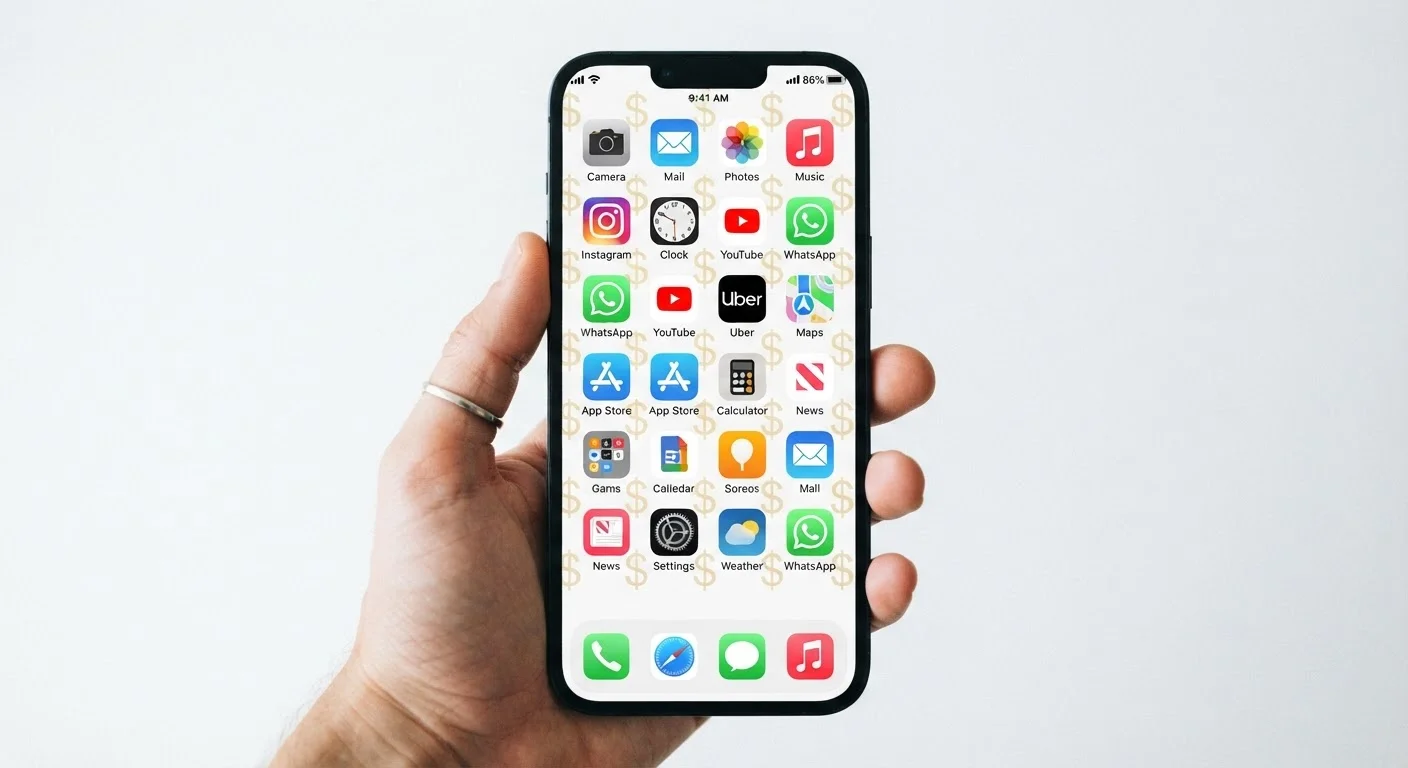
Photo: AdvisorBooth.net editorial
Key Takeaways
- Most free apps generate revenue through advertising, data collection, or premium upgrade sales.
- Your personal data - browsing habits, location, and demographics - is a valuable commodity for app makers.
- "Free" and "no cost to you financially" are two very different things in the software world.
- Understanding a free app's business model helps you assess the privacy trade-offs involved.
- Some genuinely free apps exist, but they are typically funded by donations, grants, or institutional backing.
Why 'Free' Is a Business Model, Not a Gift
The app economy has conditioned millions of people to expect software without a price tag. But every app that runs on a server, pushes updates, and employs a support team has operating costs that someone must cover. When the cost isn't passed to you at download, it's redirected - to advertisers, to data buyers, or to a segment of users willing to pay for premium features.
Understanding this shift doesn't require technical expertise. It just requires recognizing that the word "free" describes the download price, not the overall exchange. In most cases, you are contributing something - attention, behavioral data, or the unpaid role of being the audience that advertisers pay to reach.
Myth
If I'm not paying for an app, the developer is just giving it away out of generosity.
Fact
Almost every free app has a deliberate revenue model - the cost to you is often attention, data, or pressure to upgrade.
Running a software product - servers, engineers, customer support, security updates - costs real money. When a developer offers an app for free, they've simply shifted where that money comes from. The most common sources are advertising revenue, in-app purchases, and the sale or licensing of aggregated user data to third parties. Charity-driven free software exists, but it's the exception, not the rule in commercial app markets.
Myth
Free apps that show ads are the only ones collecting data about me.
Fact
Data collection happens across many free app types, regardless of whether ads are visible to the user.
Even apps with no visible advertising may collect data about how you use them, your device identifiers, your location, or your in-app behavior. This information can be shared with analytics companies, sold to data brokers, or used to inform product decisions. The presence or absence of ads on screen is not a reliable indicator of whether an app is gathering information about you. Checking the permissions an app requests - microphone, contacts, location - is a more direct signal.
Myth
In-app purchases are optional extras that don't affect the core experience.
Fact
Many free apps are deliberately designed so that the unpaid experience is frustrating enough to push users toward paying.
This design approach is sometimes called a "freemium" model. Developers offer just enough functionality for free to attract users, then limit speed, features, storage, or content behind a paywall. The friction isn't accidental - it's engineered. Mobile games, productivity tools, and cloud storage apps frequently employ this strategy. Understanding this helps reframe the choice: you're not opting into an extra, you're opting out of an intentional limitation. For a clear comparison of what paid software subscriptions actually deliver, see our article on what subscription software is really charging you for.
Myth
Open-source apps are free because they're low quality or unsupported.
Fact
Open-source software is free because its code is publicly available, not because it lacks quality or investment.
Many widely trusted tools - including web browsers, operating system components, and development frameworks - are open-source. These projects are often maintained by large communities of developers, non-profit foundations, or companies with indirect business interests in the software's quality. Open-source doesn't mean unsupported or amateurish. Our plain-language breakdown of open source vs. proprietary software explains how these models differ and what they mean for everyday users.
Myth
Reading the terms of service would tell me clearly what data an app collects.
Fact
Terms of service and privacy policies are often vague, lengthy, and written in ways that obscure rather than clarify data practices.
Research has consistently found that the average user would need many hours to read every privacy policy they encounter in a year. Even when read carefully, these documents frequently use broad language - phrases like "we may share data with partners" - that doesn't specify what data, which partners, or under what conditions. A more practical approach is to treat app permissions as the clearest available signal: an app asking for access to your contacts, location, or microphone for no obvious functional reason deserves scrutiny regardless of what its privacy policy says.
The Main Revenue Models Behind No-Cost Apps
Most free apps fall into one of a handful of business categories, each with distinct implications for your privacy and experience.
- Advertising: The app is free because showing you ads is valuable enough to fund development. The more the app knows about you, the more targeted - and valuable - those ads become.
- Freemium: Core features are free, but key functionality is locked behind a subscription or one-time upgrade payment. The free tier is a funnel, not the product.
- Data monetization: Usage data, location patterns, and behavioral signals are aggregated and sold to analytics firms or advertisers. This can happen even when no ads are visible.
- Cross-subsidization: A company offers a free app to grow its user base or collect data that benefits a separate paid product. Many free tools from large technology companies operate this way.
Your Data Has Real Commercial Value
For apps you use regularly, it's worth asking which model applies - because that tells you what the developer is optimizing for, and what trade-offs you're accepting. You can also explore how to audit your installed apps over time to keep your digital toolkit aligned with your actual needs.
Free Apps From Unknown Sources Carry Extra Risks
The content on this site is for informational purposes only and is not a substitute for professional advice. Always consult a qualified professional for guidance specific to your situation.