
The Pros and Cons of Buying the Cheapest Option Available

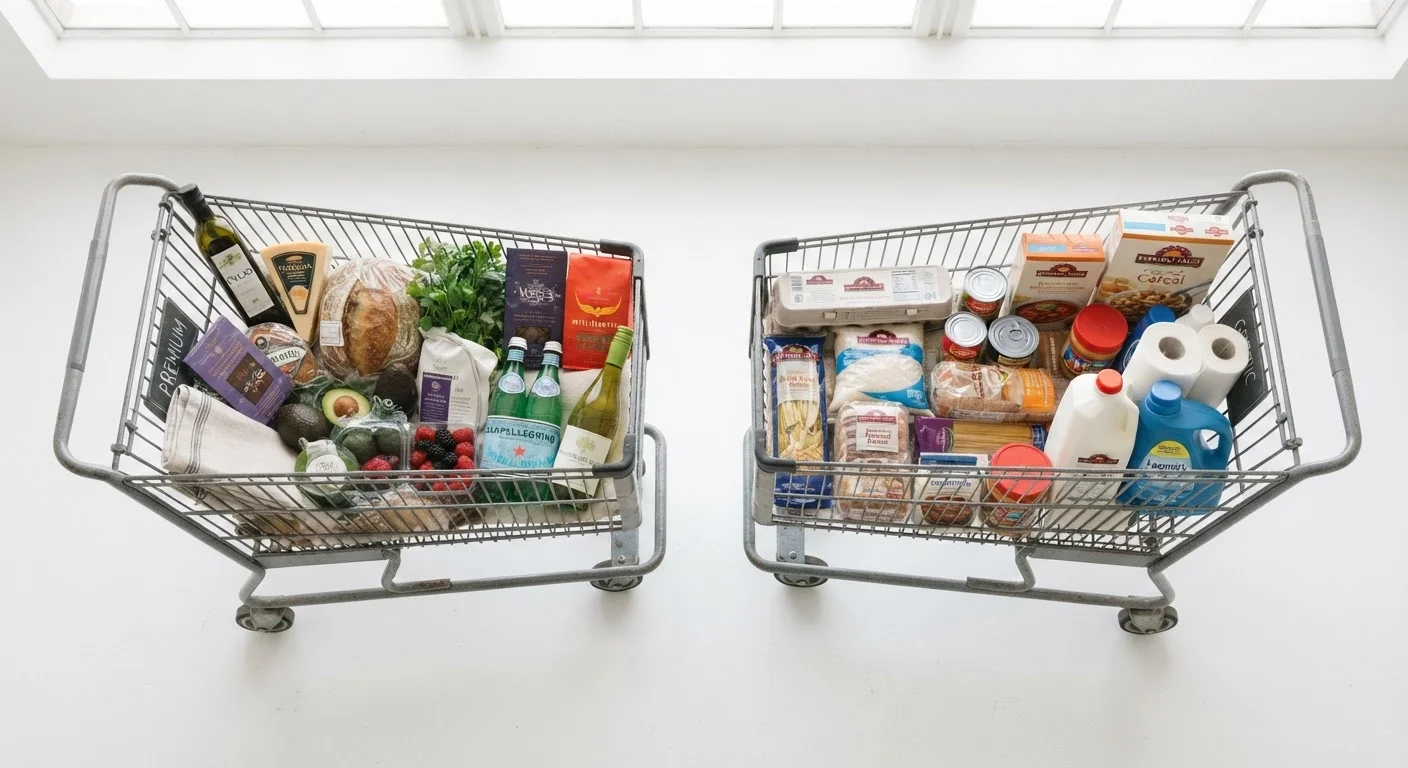
Photo: AdvisorBooth.net editorial
Key Takeaways
- Lowest price and best value are not the same thing - total cost of ownership matters more.
- Budget options genuinely deliver in low-stakes, single-use, or easily replaceable categories.
- Hidden costs like early replacement, poor performance, and repair bills can erase upfront savings.
- The right choice depends on how long you'll use something, how much failure costs, and your budget constraints.
Immediate cash savings for tight budgets
Spending less upfront preserves cash for other priorities. For households managing tight margins, the lower out-of-pocket cost at the point of purchase is a real, tangible benefit.
Ideal for commodity and generic-equivalent products
Many categories - generic medications, basic pantry staples, standard office supplies - offer no meaningful performance difference between cheap and premium. Extra spending delivers branding, not better outcomes.
Low-risk entry point for new hobbies or experiments
Buying inexpensive gear when trying something new limits financial exposure. If the activity doesn't stick, you haven't committed serious money to equipment you'll stop using.
Practical for single-use or disposable categories
Items used once or discarded quickly don't benefit from durability. A budget option that performs its job once is functionally equivalent to a premium one in these situations.
Shorter lifespan drives up replacement costs
Items built to a lower cost target often use cheaper materials with shorter service lives. Replacing a product two or three times can cost significantly more than buying a durable version once.
Safety-critical products carry serious failure risk
In categories like electrical equipment, protective gear, or child safety products, failure is not just inconvenient - it can cause real harm. Price should never be the primary filter here.
Poor performance can cost time and productivity
A tool, appliance, or piece of software that doesn't work reliably wastes time and effort. The cost of that friction rarely appears in a price comparison but accumulates quickly with regular use.
Limited or no warranty protection
Budget products frequently come with minimal manufacturer support. When something goes wrong, repair or replacement falls entirely on the buyer, eliminating the apparent savings.
Hidden environmental cost of frequent disposal
Items that fail quickly generate more waste and often require repeat purchases. Over a lifecycle, this may also mean more total spending and more material sent to landfill.
What 'Cheapest' Actually Means at the Register
The lowest-priced item on a shelf or search results page looks like a clear win - you spend less money and walk away with something that fills the same slot as a more expensive alternative. But sticker price and true cost diverge quickly once you account for how long an item lasts, how well it performs, and what happens when it fails.
That gap is worth understanding before you decide whether to reach for the budget option or spend more. Not every product category penalizes cheap choices equally. A dollar-store notepad and a dollar-store power strip do not carry the same risk profile. Sorting purchases into the right mental category is the first skill in smarter spending - and it matters more than any single buying rule.
For a deeper look at how low prices interact with lifespan, see the lifetime cost of cheap.
The Real Advantages of Going with the Lowest Price
There are categories where cheap options hold up without compromise, and choosing them is simply rational.
Immediate cash savings for tight budgets
Spending less upfront preserves cash for other priorities. For households managing tight margins, the lower out-of-pocket cost at the point of purchase is a real, tangible benefit.
Ideal for commodity and generic-equivalent products
Many categories - generic medications, basic pantry staples, standard office supplies - offer no meaningful performance difference between cheap and premium. Extra spending delivers branding, not better outcomes.
Low-risk entry point for new hobbies or experiments
Buying inexpensive gear when trying something new limits financial exposure. If the activity doesn't stick, you haven't committed serious money to equipment you'll stop using.
Practical for single-use or disposable categories
Items used once or discarded quickly don't benefit from durability. A budget option that performs its job once is functionally equivalent to a premium one in these situations.
Commodity products - generic over-the-counter medications with the same active ingredients as name brands, store-brand staples like flour or sugar, basic office supplies - offer functionally identical performance to premium versions. In these cases, extra spending buys branding, not results.
Budget options also make sense when the item is genuinely disposable or single-use, when you're testing a new hobby before committing real money, or when cash constraints make a functional but imperfect item better than having nothing at all. Thoughtful saving strategies often involve identifying exactly these windows where the cheap choice is genuinely the right call.
Where Budget Picks Quietly Cost You More
The tradeoffs become significant - sometimes dramatically so - in categories where durability, safety, or consistent performance are non-negotiable.
Shorter lifespan drives up replacement costs
Items built to a lower cost target often use cheaper materials with shorter service lives. Replacing a product two or three times can cost significantly more than buying a durable version once.
Safety-critical products carry serious failure risk
In categories like electrical equipment, protective gear, or child safety products, failure is not just inconvenient - it can cause real harm. Price should never be the primary filter here.
Poor performance can cost time and productivity
A tool, appliance, or piece of software that doesn't work reliably wastes time and effort. The cost of that friction rarely appears in a price comparison but accumulates quickly with regular use.
Limited or no warranty protection
Budget products frequently come with minimal manufacturer support. When something goes wrong, repair or replacement falls entirely on the buyer, eliminating the apparent savings.
Hidden environmental cost of frequent disposal
Items that fail quickly generate more waste and often require repeat purchases. Over a lifecycle, this may also mean more total spending and more material sent to landfill.
Replacement cycles are the most common way cheap items erase their own savings. A low-cost item that lasts a third as long as a mid-range alternative at half the price is actually the more expensive option over time. This math applies to footwear, appliances, tools, and many electronics.
Safety-adjacent products carry their own risk category. Electrical components, car seats, helmets, and similar items have failure modes that go well beyond inconvenience. Unit price vs. total price comparisons rarely capture this dimension - cost per use doesn't account for what a failure actually costs.
The same principle applies to big-ticket decisions. When weighing new vs. used vehicles, the cheapest option on the lot can come with repair costs that quickly exceed the savings over a comparable but more expensive reliable alternative.
The Category Matters More Than the Rule
A Decision Framework: Five Questions Before You Buy Cheap
Rather than applying a blanket rule, run through these questions before defaulting to the lowest price:
- How often will I use this? Daily-use items bear the full cost of lower quality faster than occasional-use ones.
- What does failure look like? Inconvenience, or real harm - financial, physical, or otherwise?
- Is there a meaningful performance difference? For commodity products, often not. For precision tools or complex electronics, often yes.
- What's the replacement timeline? Buying cheap twice is rarely cheaper than buying well once.
- Am I buying under pressure? Urgency is the enemy of value assessment - focusing on the immediate number rather than total cost is how most overpayments happen.
Where you shop also shapes what counts as the cheapest option - prices for identical items vary significantly by channel, and the lowest online price sometimes includes shipping delays or harder returns that shift the real value.
The content on this site is for informational purposes only and is not a substitute for professional advice. Always consult a qualified professional for guidance specific to your situation.