
New Car vs. Used Car: Weighing the Real Trade-Offs

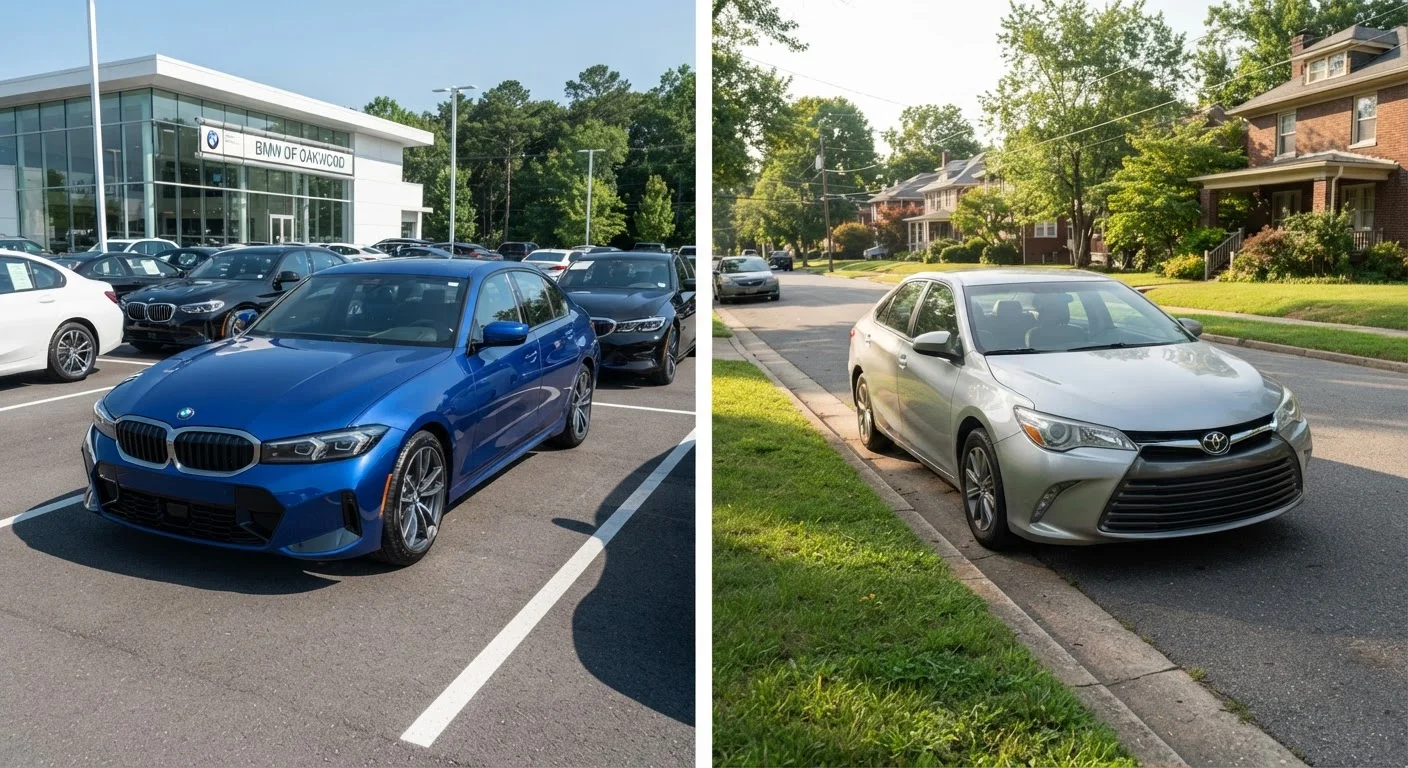
Photo: AdvisorBooth.net editorial
Key Takeaways
- New cars lose a significant portion of their value in the first one to three years of ownership.
- Used cars typically carry lower sticker prices and slower depreciation, but may come with higher maintenance costs.
- New car warranties provide broad coverage; certified pre-owned programs can extend some of those protections to used vehicles.
- Financing rates for new vehicles are often lower than for used, which can narrow the real cost gap.
- The right choice depends on your budget, driving habits, and how long you plan to keep the vehicle.
The Depreciation Divide
Depreciation - the loss of a vehicle's value over time - is the single largest cost most car owners never see on a repair bill. A new car can lose roughly 15-20% of its value in the first year alone, with the steepest decline occurring in years one through three. By the time a vehicle reaches its third birthday, it may be worth 40-50% less than its original retail price.
For used-car buyers, someone else has already absorbed that initial drop. The vehicle depreciates more gradually from that point forward, which means the money you spend retains more of its worth over the time you own it. For a deeper explanation of how this math plays out, see how depreciation works and why it should shape your purchase decision.
| Criterion | New Car | Used Car |
|---|---|---|
| Purchase Price | Higher - full retail | Lower - prior depreciation absorbed |
| Depreciation Rate | Steepest in years 1-3 | Slower, more gradual |
| Warranty Coverage | Full manufacturer warranty | Varies; CPO adds extended coverage |
| Financing Rates | Generally lower | Generally higher |
| Insurance Cost | Higher (greater replacement value) | Lower on average |
| Technology & Safety Features | Latest available | Depends on model year |
| Ownership History | None - you start fresh | Requires verification |
| Maintenance Predictability | High during warranty period | Variable; inspection reduces risk |
Warranty Coverage and Reliability
New cars come with comprehensive manufacturer warranties - typically a bumper-to-bumper coverage period of three years or 36,000 miles and a powertrain warranty extending to five years or 60,000 miles, though terms vary by manufacturer. That coverage means most mechanical failures in the early years cost you nothing out of pocket.
Used vehicles generally carry less or no remaining factory warranty, though two important exceptions exist. First, if a used car is still within its original warranty window, that coverage transfers with the vehicle. Second, certified pre-owned (CPO) programs - offered by most major manufacturers through franchised dealers - require the vehicle to pass a multi-point inspection and come with an extended limited warranty, often adding one to two years of powertrain coverage beyond the original term.
What CPO Programs Actually Cover
Reliability data from organizations such as Consumer Reports and J.D. Power consistently shows that vehicles in roughly the three-to-six-year range can offer strong dependability if properly maintained. A thorough pre-purchase inspection and a review of the vehicle history report are essential steps before committing - see our pre-purchase inspection checklist for what to look for.
True Cost of Ownership: Beyond the Sticker
Purchase price is just the starting point. Several other cost factors deserve equal attention:
- Financing rates: Lenders and manufacturers typically offer lower interest rates on new vehicles than on used ones. A lower rate on a higher principal can sometimes produce a monthly payment comparable to a used car financed at a higher rate - though the total amount borrowed still differs.
- Insurance premiums: New cars generally cost more to insure because their replacement value is higher. Comprehensive and collision coverage, which most lenders require on financed vehicles, will be priced accordingly.
- Maintenance and repairs: New cars under warranty shift early repair costs to the manufacturer. Used cars, particularly those out of warranty, expose owners to those costs directly. Keeping up with routine car maintenance is essential for managing this risk regardless of which route you choose.
Taken together, these factors mean the real cost gap between new and used is often narrower - or wider - than the sticker price difference alone suggests. It pays to model total cost of ownership across the number of years you realistically expect to keep the vehicle.
~20%
Average new-car value lost in year one
Industry data consistently shows new vehicles can depreciate by 15-20% within the first 12 months of ownership, making the first year the costliest for value loss.
40-50%
Value drop by year three on average
According to automotive valuation analysts, most new vehicles retain only 50-60% of their original value after three years of typical use.
3-5 yrs
Typical powertrain warranty window
Most U.S. manufacturers offer powertrain warranty coverage ranging from three to five years or 36,000-60,000 miles, though some brands offer longer terms.
Making the Decision That Fits Your Situation
Neither choice is objectively correct. The right answer depends on how you weight a handful of personal factors: your available budget, your tolerance for financial unpredictability, how many miles you drive annually, and how long you intend to keep the vehicle.
If you drive high mileage each year, a new car's warranty cushion delivers more tangible value. If you change vehicles every three to four years, buying used lets you avoid the steepest depreciation curve entirely. If long-term predictability matters most, buying new and keeping the vehicle for a decade can make the initial depreciation hit worthwhile.
Before you commit to either path, it is worth going beyond the sticker price. Review questions worth asking before you commit to any vehicle to surface the details that listings rarely highlight. And if leasing is also on your radar, leasing vs. buying provides a parallel breakdown of that third option.
The content on this site is for informational purposes only and is not a substitute for professional advice. Always consult a qualified professional for guidance specific to your situation.