
Questions Worth Asking Before You Commit to Any Vehicle

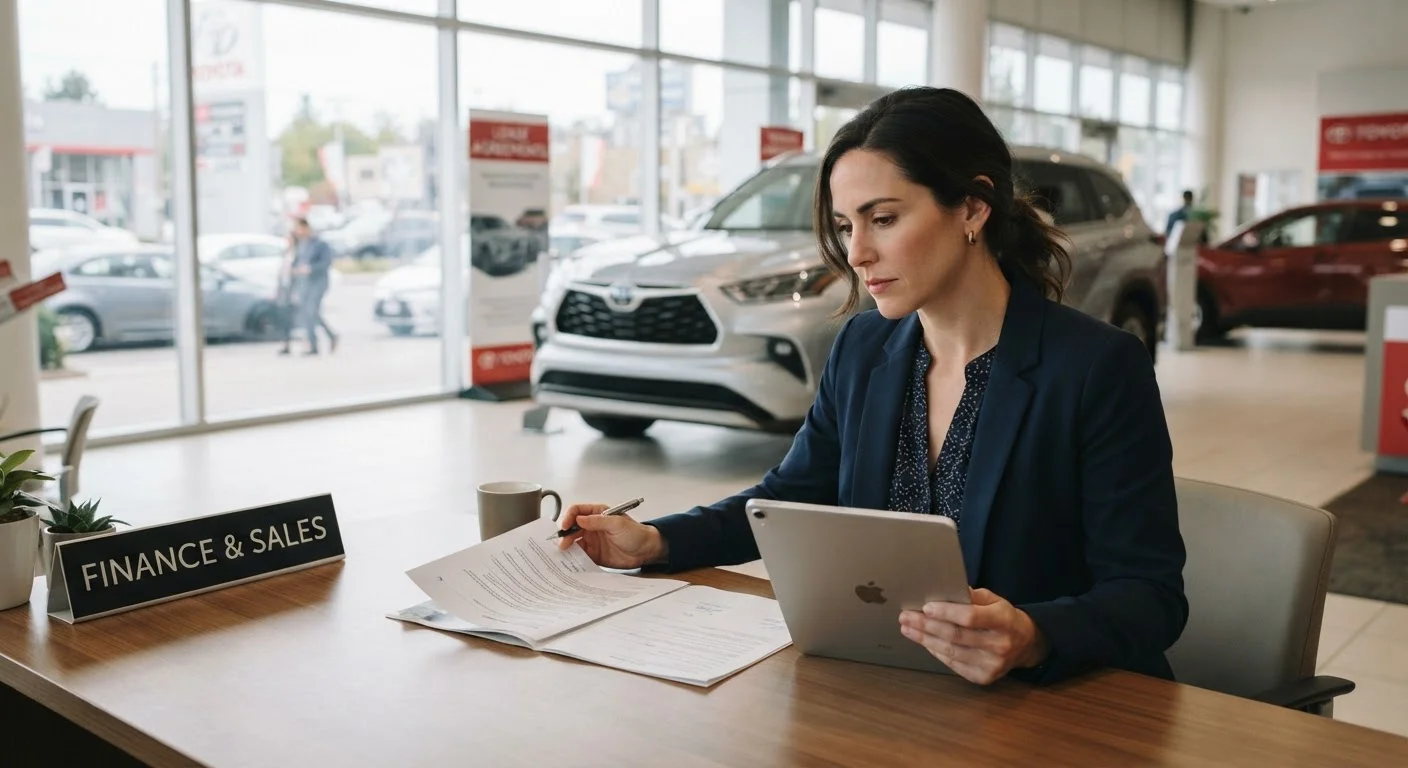
Photo: AdvisorBooth.net editorial
Key Takeaways
- A vehicle's listing price rarely reflects total ownership cost - always calculate insurance, taxes, and maintenance.
- Open recalls transfer with the vehicle; always check the National Highway Traffic Safety Administration (NHTSA) database before buying.
- A vehicle history report is useful but not comprehensive - it won't catch everything a physical inspection can.
- Warranty coverage varies significantly between new, used, and certified pre-owned vehicles - confirm exact terms in writing.
- Asking about ownership history, accident disclosures, and title status upfront filters out high-risk vehicles early.
Why Questions Matter More Than the Listing
Every vehicle listing is a sales document, not a disclosure form. Whether you're browsing a dealership lot or a private-party ad, the information presented is curated to attract buyers - not necessarily to surface complications. Asking the right questions before committing is the most effective due diligence tool available to any buyer.
This checklist is organized into four core areas: ownership and history, mechanical and safety status, total cost of ownership, and warranty and post-purchase protections. Work through these questions with the seller, a trusted mechanic, and independent data sources before any money changes hands. For a hands-on physical walkthrough, see our pre-purchase inspection checklist - these two resources work best together.
Ownership & History
Mechanical & Safety Status
True Total Cost of Ownership
Warranty & Post-Purchase Protections
Tools You'll Need to Answer These Questions
Many of these questions can't be answered by the seller alone. You'll need independent data sources and, in some cases, professional help to verify what you're told. The tools below are the ones most buyers rely on during a thorough pre-purchase evaluation.
NHTSA VIN Lookup (nhtsa.gov)
Check for open safety recalls tied to the specific vehicle using its 17-digit VIN - this is free and takes under a minute.
Vehicle History Report Service
Pull the vehicle's ownership, accident, title, and odometer history using the VIN to verify the seller's disclosures.
Independent Pre-Purchase Mechanic Inspection
A qualified mechanic not affiliated with the seller can identify mechanical issues that no report or visual check will catch.
Insurance Quote Tool
Get a real insurance estimate for the specific vehicle before committing - annual premiums are part of the true ownership cost.
Manufacturer's Warranty Documentation
Review the original warranty terms directly from the manufacturer to confirm what transfers to a new owner and what has expired.
Understanding how to read a vehicle history report is a skill in itself - learn what the data actually means and where it falls short before you rely on one.
A Clean History Report Is Not a Clean Bill of Health
After You've Worked Through the Checklist
If a vehicle clears these questions without red flags, you're in a strong position to negotiate and finalize. If it doesn't, that's exactly the information this process is designed to surface. No listing price compensates for a vehicle with an open recall, unclear title, or warranty that expires the week after purchase.
For a complete picture of the buying process from research through paperwork, the full car-buying process walkthrough covers every stage in sequence. And once you own the vehicle, our car maintenance hub will help you protect that investment. The same careful, question-first mindset applies to any major commitment - from buying a home to putting money into investments.
Open Recalls Are Your Responsibility to Verify
The content on this site is for informational purposes only and is not a substitute for professional advice. Always consult a qualified professional for guidance specific to your situation.