
What to Inspect Before You Buy a Used Car

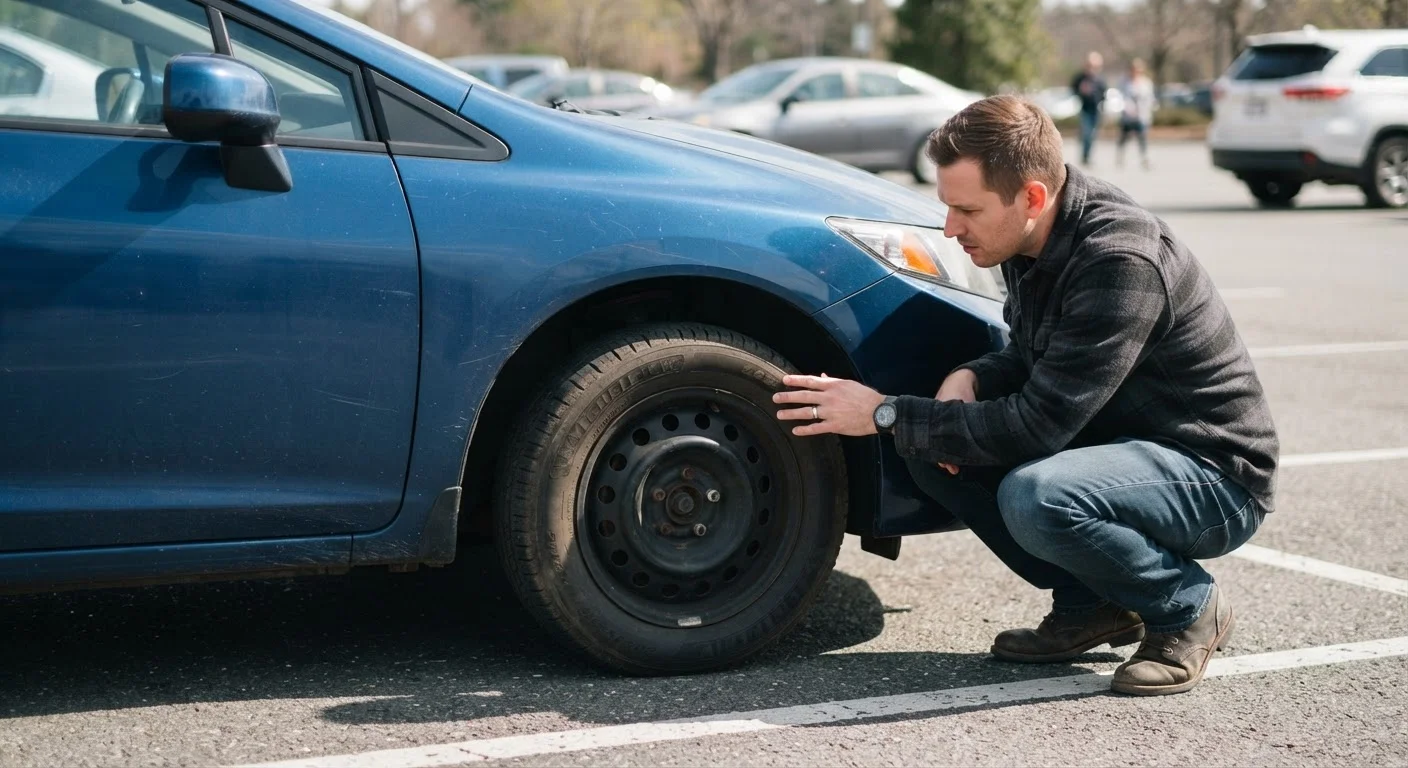
Photo: AdvisorBooth.net editorial
Key Takeaways
- Inspect the car in daylight on a flat surface - never at night or in a dark garage.
- A vehicle history report is essential but not a substitute for a physical inspection.
- Unusual smells, rust, or mismatched paint are red flags worth investigating before negotiating.
- Always take the car on a real test drive - not just a parking lot loop.
- A pre-purchase inspection by an independent mechanic is strongly recommended for any serious candidate.
Why a Structured Inspection Matters
Buying a used car involves real financial risk. Unlike a new vehicle, a used car carries an unknown history - previous accidents, deferred maintenance, flood damage, or odometer discrepancies that won't appear in a listing photo. A structured, methodical inspection shifts the odds in your favor by turning subjective impressions into verifiable observations.
This checklist is designed to work whether you're visiting a dealer lot or a private driveway. Bring it on your phone or print it out. The goal isn't to make you a mechanic - it's to help you ask the right questions and spot the warning signs that warrant a closer look. If you're weighing whether a used car makes sense for you at all, see our comparison of new vs. used trade-offs before you start shopping.
A Clean History Report Doesn't Guarantee a Clean Car
What to Bring and Check in Advance
Before you show up in person, do some homework. Pull a vehicle history report using the car's VIN (Vehicle Identification Number). Services that provide these reports draw on title records, insurance claims, and odometer data to flag salvage titles, major accidents, and ownership gaps. A clean report is reassuring - but it's not a guarantee, since not every incident gets reported.
Also check whether the vehicle has any open safety recalls by searching the National Highway Traffic Safety Administration (NHTSA) database using the VIN - that search is free. For a broader list of questions to ask the seller before you commit, our guide on questions worth asking before buying any vehicle is a useful companion to this checklist.
Vehicle History Report Service
Reveals title history, reported accidents, odometer readings, and ownership records using the car's VIN.
NHTSA Recall Database
Free government tool to check whether a vehicle has open safety recalls that haven't been repaired.
Flashlight
Illuminates dark areas under the hood, beneath the car, and inside the trunk for a thorough visual check.
Neodymium or Refrigerator Magnet
Helps detect body filler (used to hide collision damage) on exterior panels - a magnet won't stick to filler.
Independent Mechanic (Pre-Purchase Inspection)
A licensed mechanic with no financial interest in the sale can inspect the car on a lift and scan for hidden issues.
The Inspection Checklist
Work through each category below in order. Take your time - sellers who rush you through an inspection are a red flag in themselves. Note anything that seems off; you can bring specific concerns to an independent mechanic later.
Preparation
Exterior
Interior
Engine Bay
Test Drive
Never Inspect a Car at Night or in a Closed Garage
After the Inspection: Next Steps
If the car passes your visual and test-drive checks, the single most valuable next step is a pre-purchase inspection (PPI) by an independent, licensed mechanic - one with no financial stake in the sale. A PPI typically involves putting the car on a lift to examine the undercarriage, checking fluid conditions, scanning for stored diagnostic codes, and measuring brake and tire wear. The cost is modest relative to the price of a used vehicle, and any reputable seller should agree to it.
Once you own the car, keeping up with routine upkeep is what protects your investment. Our car maintenance hub covers the essential service intervals and checks that keep any vehicle running reliably. And if you plan to drive it on a road trip soon, the pre-trip vehicle safety walkthrough is worth a quick review before you head out.
The content on this site is for informational purposes only and is not a substitute for professional advice. Always consult a qualified professional for guidance specific to your situation.