
How Depreciation Works - and Why It Should Shape Your Purchase Decision

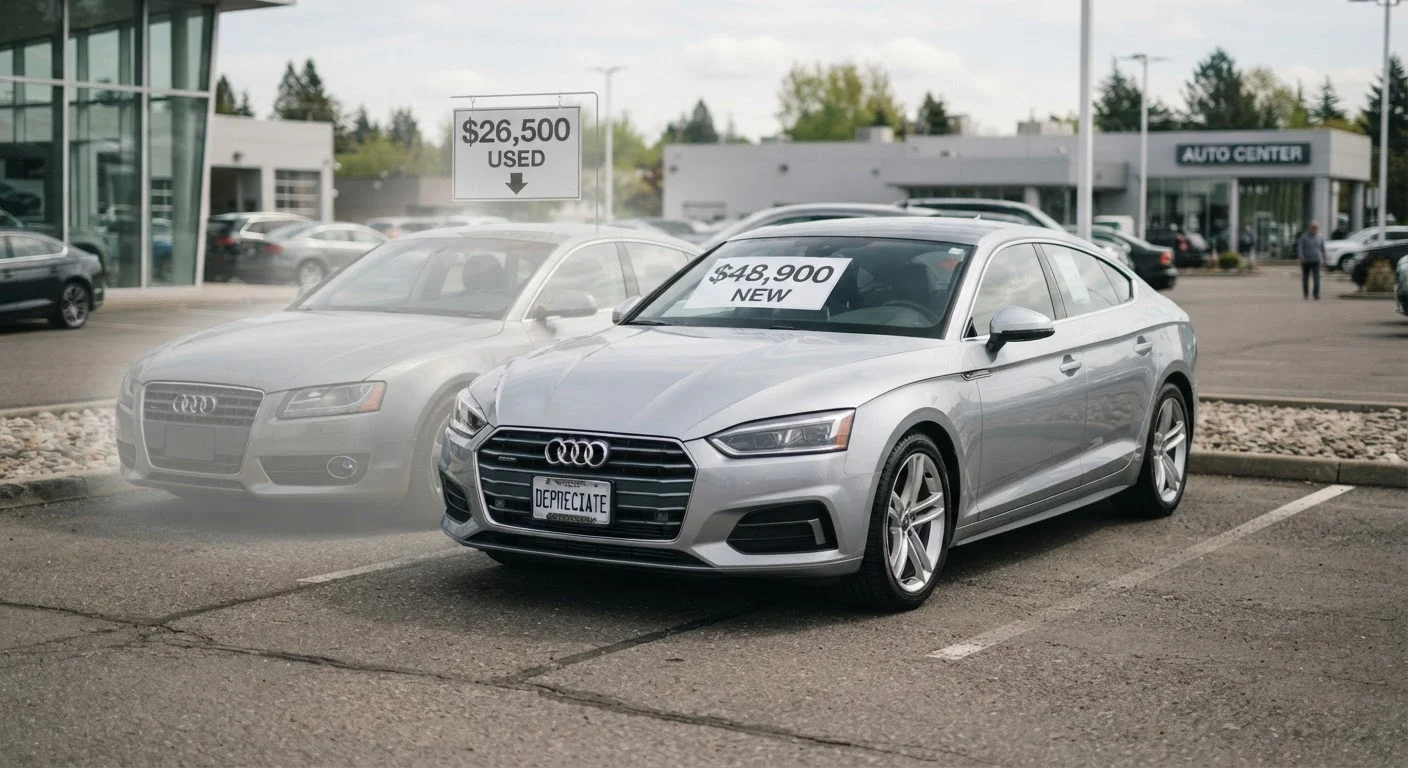
Photo: AdvisorBooth.net editorial
Key Takeaways
- New vehicles typically lose 15-25% of their value in the first year alone.
- Depreciation is usually the largest cost of car ownership, exceeding fuel and insurance.
- Buying a used vehicle that has already depreciated significantly can reduce your total ownership cost.
- Certain vehicle types and segments depreciate faster than others, making segment choice important.
- Keeping a car longer reduces the annual impact of depreciation on your budget.
Why Depreciation Is the Cost Nobody Talks About
When most people calculate the cost of owning a car, they add up the monthly payment, fuel, and insurance. What rarely makes the list is depreciation - yet for many owners, it eclipses every other line item. Understanding it isn't just an academic exercise; it's one of the most practical things you can do before signing a purchase agreement.
Unlike a repair bill or an insurance premium, depreciation doesn't arrive in your mailbox. It accumulates silently, and you only feel it when you try to sell or trade in your vehicle. At that moment, the gap between what you paid and what the market will offer becomes very real.
~20%
Average new car value lost in year one
Industry estimates consistently show new vehicles lose roughly 15-25% of their value within the first 12 months, with the steepest drop often occurring immediately after purchase.
50-60%
Typical value lost over five years
According to widely cited automotive industry data, the average vehicle retains only 40-50% of its original purchase price after five years of ownership.
#1
Depreciation ranked among ownership costs
Consumer financial analyses of total vehicle ownership cost routinely identify depreciation as the single largest expense category, outpacing fuel, insurance, and maintenance.
How Depreciation Actually Works
A vehicle's value erodes because it is a depreciating asset - one whose usefulness and desirability decline with age, mileage, and wear. Several forces drive this:
- Age and mileage: Each passing year and accumulated mile reduces the car's remaining useful life and increases the likelihood of future repairs.
- New model competition: Every model year brings updated competitors to market, making older vehicles comparatively less attractive to buyers.
- Technology shifts: Advances in safety, fuel economy, and connectivity make older vehicles feel dated faster than they once did.
- Market supply and demand: Economic conditions, fuel prices, and consumer preferences all influence how much used vehicles sell for at any given time.
The depreciation curve is steepest early in a vehicle's life. A car that costs $40,000 new might be worth $30,000 after year one, $24,000 after year two, and continue declining - but the dollar drop typically shrinks each year as a percentage of remaining value.
What This Means When You're Buying
Depreciation should factor into your decision at two levels: what vehicle you buy, and whether you buy new or used.
On the new-versus-used question, a vehicle that is two to four years old has already absorbed the most painful portion of its depreciation. The buyer of that used vehicle doesn't pay for those lost thousands - the original owner did. Our guide to new vs. used car trade-offs walks through this dynamic in full detail alongside reliability and warranty considerations.
On segment choice, not all vehicles depreciate at the same rate. Trucks and compact SUVs have historically held value better than luxury sedans or large cars, though no pattern is permanent and market conditions shift. Checking projected resale values from independent automotive data sources before purchasing is a worthwhile step.
Check Projected Resale Value Before You Buy
It's also worth thinking about how long you plan to keep the vehicle. If you hold a car for ten years, the per-year cost of depreciation spreads across a much longer period, reducing its annual impact on your budget. If you trade every three years, you're repeatedly entering and exiting at the most expensive part of the curve.
For a full picture of ownership costs beyond the sticker price, see how to set a realistic car budget before you visit a dealership.
Depreciation, Loans, and the Risk of Going Underwater
There's an important intersection between depreciation and auto financing that every buyer should understand. When you finance a vehicle, your loan balance decreases on a fixed schedule. The vehicle's market value decreases on its own schedule - and early on, the value tends to fall faster than your balance does.
This creates a window - often the first year or two - when you may owe more on the loan than the car is currently worth. This is called being "upside down" or "underwater" on the loan. If the vehicle is totaled or stolen during this period, a standard insurance payout covers only the vehicle's current market value, not your outstanding loan balance. Gap insurance (Guaranteed Asset Protection) is designed to cover that difference, and it's worth evaluating whenever you finance with a small down payment or a long loan term.
One common myth is that focusing only on the monthly payment protects your financial interests. It doesn't - a lower payment stretched over more months can increase total cost and extend the period when you're underwater. Our piece on car-buying myths that cost people money covers this and other misconceptions in detail.
Frequently Asked Questions
The content on this site is for informational purposes only and is not a substitute for professional advice. Always consult a qualified professional for guidance specific to your situation.