
How Online Shopping Scams Actually Work

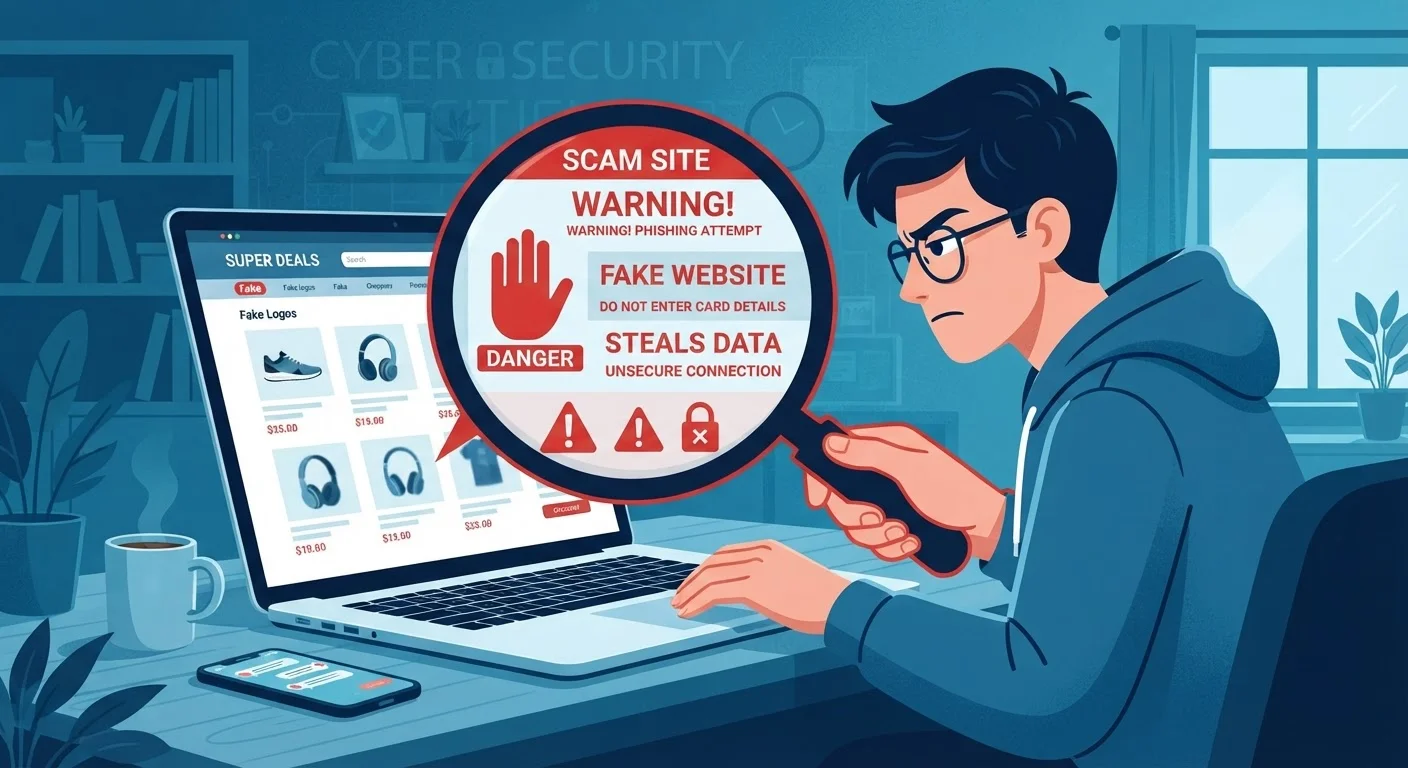
Photo: AdvisorBooth.net editorial
Key Takeaways
- Most online shopping scams follow predictable patterns that are easier to spot once you know what to look for.
- Fraudsters often use urgency, deep discounts, and lookalike websites to lower your guard.
- Payment method matters: some offer far better fraud protection than others.
- Scams operate on marketplaces and social media, not just shady standalone websites.
- Reporting a scam quickly improves your chances of recovering money or stopping further fraud.
The Anatomy of a Shopping Scam
Online shopping scams don't rely on technical wizardry - they rely on psychology. Fraudsters engineer situations where you feel confident enough to hand over your money or payment details before realizing something is wrong. The scam is usually over before you expect a problem.
Most schemes follow a simple three-part structure: bait (an attractive offer or listing), capture (collecting your payment or data), and disappear (the seller, site, or product vanishes). Understanding this loop helps you interrupt it before the capture phase.
It's worth noting that scams don't only happen on obscure websites. They show up on social media ads, third-party marketplace listings, and even search results. If you're newer to buying online, our guide for first-time online shoppers covers the foundational safety habits worth building early.
The Most Common Scam Mechanics
Knowing the specific techniques fraudsters use makes them far easier to recognize in the wild.
Fake Storefronts
Fraudsters build websites that closely mimic real retailers - copying logos, layouts, and product photos. These sites typically offer steep discounts to draw in buyers. Once you complete checkout, either nothing arrives or a worthless substitute shows up. Domain names are often registered days or weeks before the scam runs. For a deeper look at the warning signs, see our article on spotting fake storefronts.
Non-Delivery and Non-Payment
In this common marketplace scam, a seller collects payment and never ships the item. Alternatively, in buyer-side scams, someone "purchases" from you and sends a fraudulent payment confirmation before you've actually received funds. Both exploit the time gap between transaction and fulfillment.
Counterfeit Goods
You pay for a genuine product and receive a cheap imitation. This scam is especially common with electronics, clothing, and accessories. The item technically "arrives," making disputes harder to win without thorough documentation.
Social Media Ad Scams
Fraudulent ads on social platforms lead to fake checkout pages. The ad creative is often stolen from legitimate brands. Because these ads can be targeted and look polished, they can fool even experienced shoppers.
$10B+
Reported consumer fraud losses in a single year
The FTC reported that consumers lost more than $10 billion to fraud in 2023, with online shopping among the most commonly reported categories.
$480
Median loss per online shopping fraud report
According to FTC Consumer Sentinel data, the median individual loss from online shopping fraud was approximately $480, though losses vary widely by scam type.
~40%
Of fraud reports involving social media as the contact method
FTC data indicates that a significant share of fraud reports cite social media as the initial point of contact, reflecting the growing role of ads and posts in shopping scams.
Why These Scams Are Effective
Scammers exploit several predictable human tendencies. Urgency - "only 3 left" or "sale ends tonight" - compresses the time you have to evaluate an offer critically. Authority signals like professional-looking logos, fake reviews, and SSL padlock icons create unearned trust. Loss aversion makes a seemingly great deal feel like something you'd regret missing.
The digital environment also plays a role. It's genuinely difficult to assess a seller's legitimacy online the way you might in person. You can't inspect the product, verify an address physically, or read body language. That information gap is exactly what scammers exploit.
Check Payment Options Before You Commit
What Happens After You're Scammed - and What To Do
Acting quickly is the single most important factor in limiting your losses. The moment you suspect fraud:
- Contact your payment provider immediately. Credit card issuers can initiate a chargeback. Banks can sometimes freeze or reverse transfers if caught early enough.
- Document everything. Screenshots of the listing, order confirmation, and any communications are essential for disputes and reports.
- Report the scam. File a report with the FTC at ReportFraud.ftc.gov, and notify your state attorney general. If a marketplace was involved, report through their official fraud channels.
- Monitor your accounts. If you entered personal details on a fraudulent site, watch for signs of identity theft and consider a credit freeze.
If a package you legitimately ordered simply never arrived - which can happen even with honest sellers - our guide on what to do when a package never arrives walks you through the resolution process step by step.
For a comprehensive overview of staying safe throughout the entire shopping process, our online shopping safety guide covers account security, payment protection, and seller verification in one place.
This article is for general informational purposes only and does not constitute legal or financial advice. If you have suffered financial loss due to fraud, consult a qualified professional or contact your local consumer protection authority.
Frequently Asked Questions
The content on this site is for informational purposes only and is not a substitute for professional advice. Always consult a qualified professional for guidance specific to your situation.