
Debit Card vs. Credit Card for Online Purchases

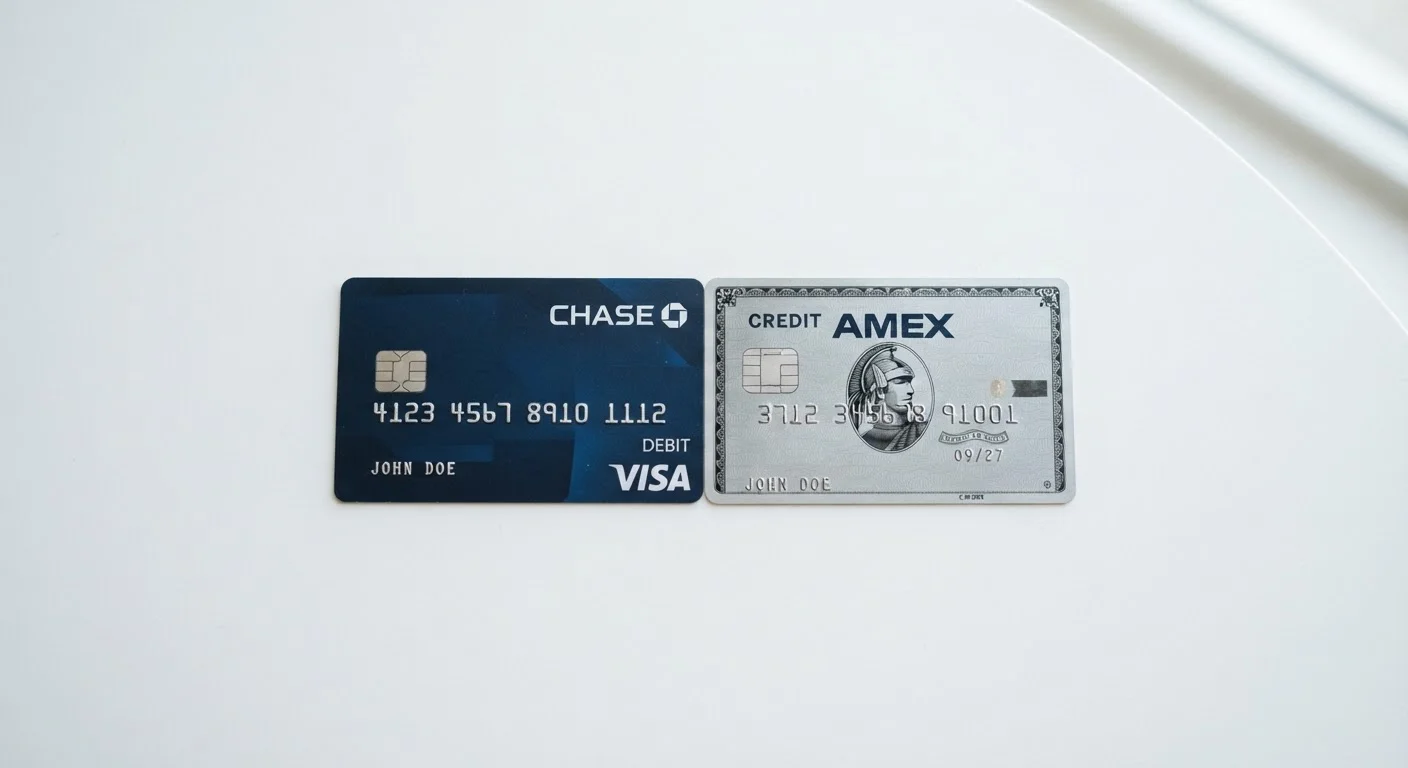
Photo: AdvisorBooth.net editorial
Key Takeaways
- Credit cards offer stronger federal fraud protections for online purchases than debit cards do.
- With a debit card, fraudulent charges come directly from your bank account balance - recovery takes time.
- The Fair Credit Billing Act limits credit card liability to $50 for unauthorized charges; many issuers offer $0 liability voluntarily.
- Debit card protections under the Electronic Fund Transfer Act depend heavily on how quickly you report fraud.
- Neither card type is inherently unsafe, but credit cards give you more leverage when a dispute arises.
How Each Card Connects to Your Money
The most important difference between debit and credit cards isn't the logo on the front - it's where the money comes from and what happens the moment a transaction is processed.
A debit card pulls funds directly from your checking account in real time. If a fraudulent charge hits, that money is gone from your balance immediately. You may be unable to cover rent, utilities, or other bills while your bank investigates - a process that can take up to ten business days under federal rules.
A credit card charges against a line of credit. A fraudulent charge shows up on a statement you haven't paid yet. You can dispute it before paying, and your actual cash stays in your bank account throughout the investigation. That distinction - real cash vs. a future bill - is why consumer advocates generally recommend credit cards for online purchases.
For a broader look at staying safe throughout the entire purchase process, see our complete online shopping safety guide.
Federal Protections: What the Law Actually Says
Two separate federal laws govern these cards, and they are not equal when it comes to fraud.
Credit cards are covered by the Fair Credit Billing Act (FCBA). Your maximum liability for unauthorized charges is $50, and most major issuers voluntarily waive even that through zero-liability policies. You have 60 days from the statement date to dispute a charge.
Debit cards fall under the Electronic Fund Transfer Act (EFTA). Your liability depends entirely on how fast you report the problem:
- Report before any unauthorized use: $0 liability
- Report within 2 business days of discovering fraud: up to $50
- Report within 60 days of your statement: up to $500
- Report after 60 days: potentially unlimited liability
In practice, many banks offer voluntary zero-liability programs for debit cards too - but those are bank policies, not legal guarantees, and they can come with conditions.
| Criterion | Debit Card | Credit Card |
|---|---|---|
| Money source | Your checking account (immediate) | Line of credit (future bill) |
| Governing federal law | Electronic Fund Transfer Act | Fair Credit Billing Act |
| Max fraud liability (federal floor) | Up to $500 if late to report | $50 (often $0 by policy) |
| Reporting deadline for full protection | 2 business days | 60 days from statement |
| Impact on cash during dispute | Funds removed immediately | Cash unaffected during review |
| Chargeback strength | Available, but variable | Well-established, FCBA-backed |
| Overspending risk | None (limited to balance) | Possible if balance carried |
Chargebacks: Your Practical Dispute Tool
A chargeback is a formal reversal of a charge initiated through your card network. It's one of the most useful tools an online shopper has when a seller doesn't deliver, sends a defective item, or simply disappears.
Credit card chargebacks are well-established and backed by the FCBA. Debit card chargebacks exist but operate under different rules and can be harder to win, particularly against merchants who have documentation of a completed transaction.
Before you reach the dispute stage, it's worth verifying the seller is legitimate in the first place. Our pre-purchase safety checklist walks through what to check before you hand over any payment information.
$50
Max credit card fraud liability under federal law
The Fair Credit Billing Act caps unauthorized charge liability at $50; most major issuers voluntarily reduce this to $0.
2 days
Debit card reporting window for $50 liability cap
Under the Electronic Fund Transfer Act, you must report debit card fraud within 2 business days to limit liability to $50.
$500
Potential debit card liability after 60-day delay
Federal law allows liability up to $500 if unauthorized debit card use is reported between 2 and 60 days after discovery.
Practical Steps to Reduce Risk With Either Card
Choosing a credit card for online purchases reduces - but doesn't eliminate - your exposure. A few habits apply regardless of which card you use:
- Monitor statements regularly. Catching an unauthorized charge quickly is the single biggest factor in limiting your liability under both laws.
- Use secure, private networks. Avoid entering card details on public Wi-Fi without a VPN.
- Be cautious about saved card details. Storing payment information on a site speeds up checkout but adds exposure if that site is breached. Weigh the trade-offs before saving your card.
- Pay through established platforms when possible. Marketplaces often add a dispute layer on top of your card's own protections. Understand what you give up when you pay sellers directly.
This article is for general informational purposes only and does not constitute financial or legal advice. Consult your card issuer and a qualified financial professional for guidance specific to your situation.
The content on this site is for informational purposes only and is not a substitute for professional advice. Always consult a qualified professional for guidance specific to your situation.