
Things Homeowners Often Overlook That Drag Down Property Value

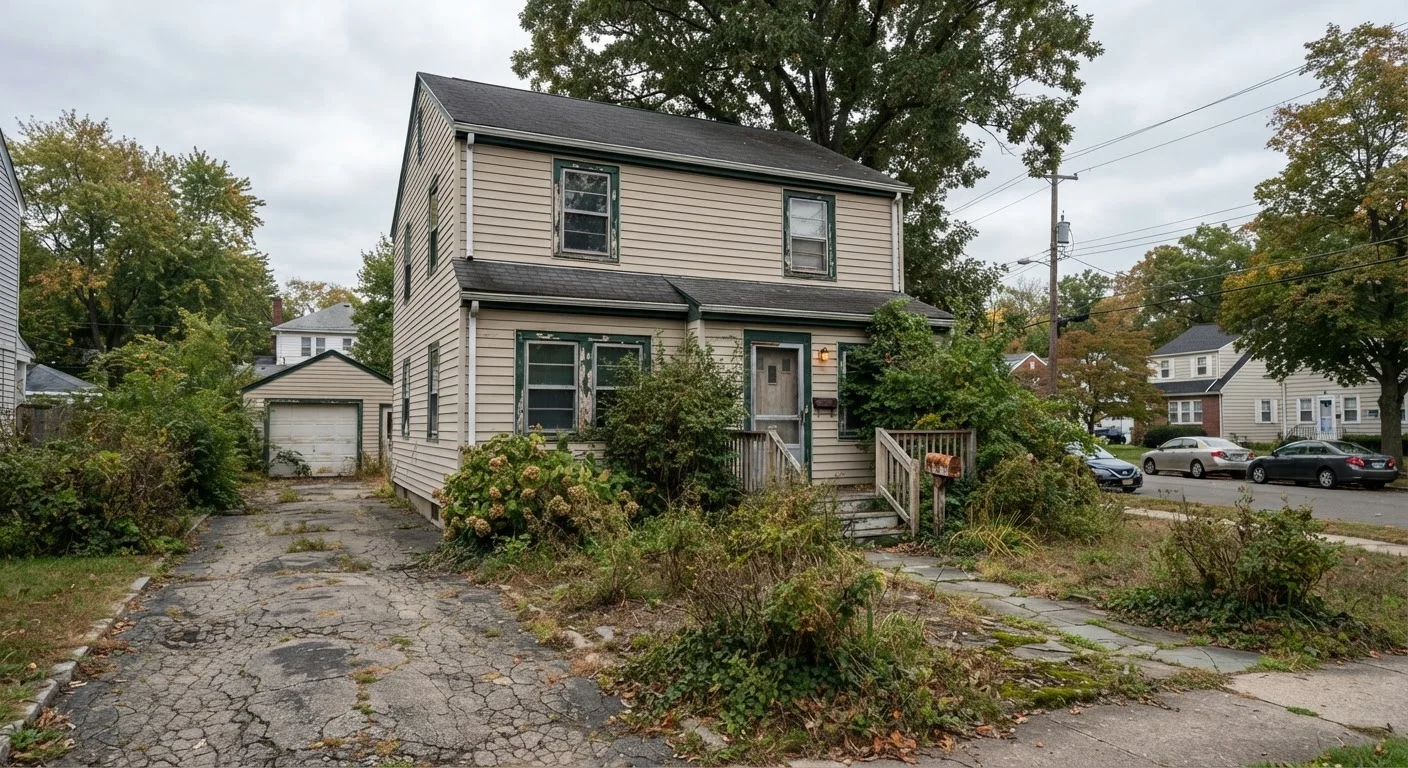
Photo: AdvisorBooth.net editorial
Key Takeaways
- Deferred maintenance signals deeper problems to appraisers and buyers, reducing perceived and actual value.
- Unpermitted work can trigger legal complications, failed inspections, and appraiser adjustments.
- Neighborhood and external factors outside your control can still reduce your home's assessed worth.
- Odors, clutter, and dated finishes influence buyer perception and competitive offers.
- Proactive upkeep and documentation protect your home's value more reliably than last-minute improvements.
Why Some Value Problems Are Invisible Until It's Too Late
Most homeowners think about property value in broad strokes - the local market, square footage, the kitchen remodel they're planning. But appraisers and experienced buyers evaluate homes with a sharper eye, one that catches issues homeowners have long since stopped seeing. Understanding how home valuation actually works is essential context; see the complete introduction to home valuation if you want a grounding in the fundamentals.
The problems that quietly drag down property value fall into a few distinct categories: physical deterioration, legal and title complications, location-related factors, and perception issues that shape buyer behavior. Many of these are fixable - but only if homeowners know to look for them.
Ignoring deferred maintenance on major systems like roofing, HVAC, and foundation drainage.
Completing additions, conversions, or significant renovations without the required building permits.
Allowing persistent odors from pets, smoke, or moisture to go unaddressed before listing.
Neglecting curb appeal - overgrown landscaping, peeling paint, and cracked driveways.
Overlooking how nearby external factors - traffic, noise, commercial development - affect perceived and appraised value.
Physical and Legal Issues Appraisers Flag Consistently
Beyond the cosmetic, appraisers apply structured adjustments for measurable deficiencies. Deferred maintenance on roofing, HVAC systems, foundation drainage, and plumbing isn't just an aesthetic problem - it signals systemic neglect and introduces liability that buyers price in aggressively. A roof showing visible wear or interior water staining can trigger a lender-required repair before closing, effectively stalling a sale.
Unpermitted Work Can Derail a Sale
Unpermitted additions and conversions are among the most consequential value drags. A garage converted to living space without a building permit may not legally count toward the home's livable square footage in an appraisal. Worse, it can expose a seller to liability if a buyer discovers the work post-closing. Local permit offices can sometimes offer a path to retroactive approval, but it involves inspections, fees, and possible retrofitting. For more on how assessments reflect these issues, the guide on contesting a property tax assessment is a useful reference.
Location-related factors - traffic noise, proximity to industrial sites, flight paths, or declining neighboring properties - affect value even when the subject home is in perfect condition. These are largely outside an owner's control, but understanding them helps set realistic expectations. The neighborhood factors that shape home value covers these in detail.
10-25%
Potential value reduction from unpermitted work
Real estate appraisers and attorneys commonly cite a range of 10-25% in value reduction when significant unpermitted additions are discovered during the sale process.
~5%
Buyer discount for deferred maintenance
Industry research suggests buyers typically discount offers by roughly 5% or more when visible deferred maintenance signals systemic neglect, according to general appraisal practice guidance.
Perception Problems That Cost Real Money
Buyers form value judgments quickly, often before they've looked at a single room closely. Persistent odors - pet, smoke, or mildew - are among the hardest perception problems to overcome because they suggest hidden moisture or damage, not just poor housekeeping. Sellers frequently under-estimate how much these signals discount competing offers.
Outdated finishes don't always justify a full renovation, but they do affect comparative market analysis (CMA) scores when appraisers look at comparable sales. A home with original 1990s fixtures in a neighborhood where recent sales feature updated kitchens and baths will see a negative adjustment. That doesn't mean every homeowner should renovate before selling - the data on renovation ROI is more nuanced than most expect. The article on what the market gets wrong about renovations separates myth from evidence.
Clutter and poor staging are softer issues, but they affect perceived square footage and buyer confidence. A buyer who can't visualize a room's function is less likely to submit a strong offer. These are low-cost, high-return corrections that sellers often delay until they're under contract - at which point leverage has already shifted.
Homeowners who treat value protection as an ongoing discipline - keeping records of maintenance, pulling permits for qualifying work, and staying aware of neighborhood trends - are better positioned than those who scramble before a sale. Many of the costs tied to neglect also compound over time, a reality explored in our overview of hidden costs of homeownership.
This article is for general informational purposes only and does not constitute legal, financial, or appraisal advice. Consult a licensed real estate professional or appraiser for guidance specific to your property and local market.
The content on this site is for informational purposes only and is not a substitute for professional advice. Always consult a qualified professional for guidance specific to your situation.