
Hidden Costs of Homeownership New Buyers Rarely Anticipate

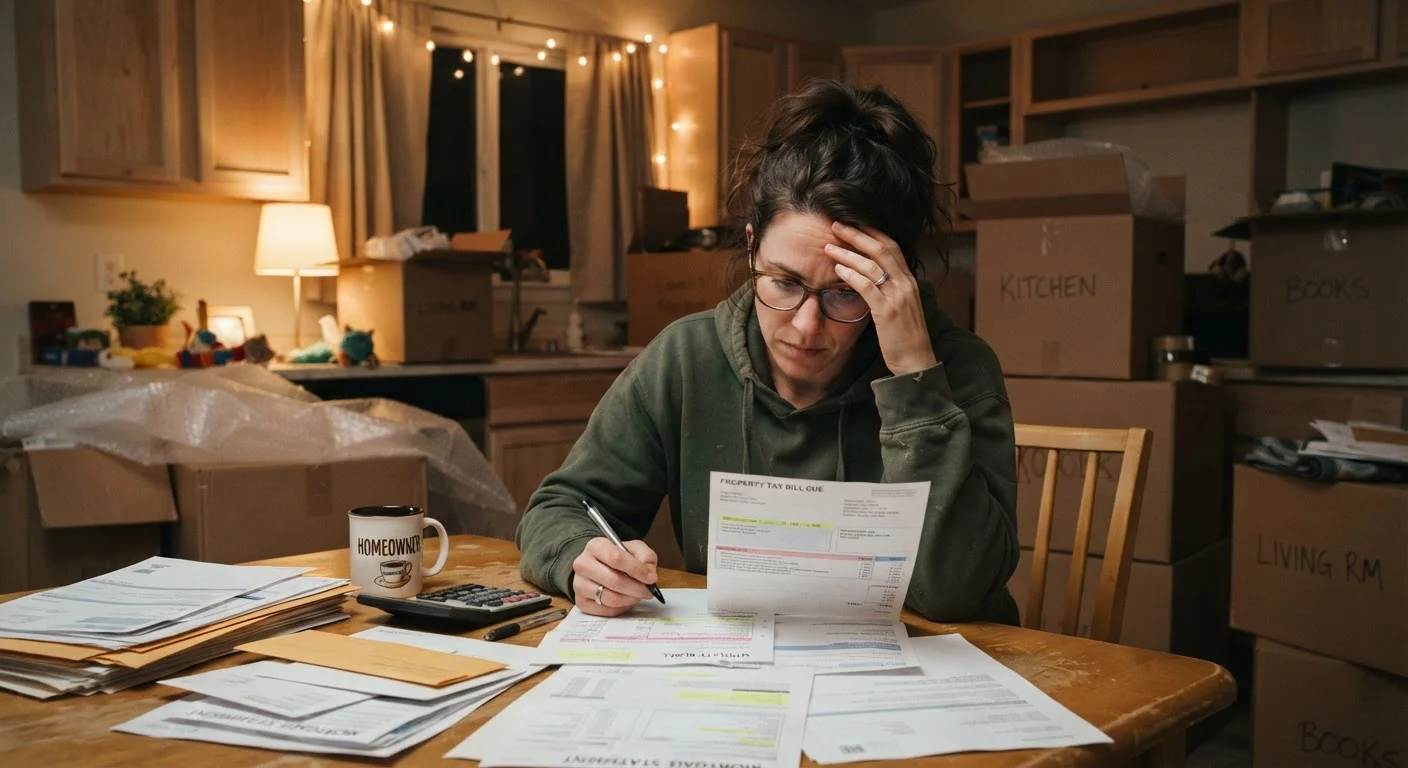
Photo: AdvisorBooth.net editorial
Key Takeaways
- Property taxes, HOA fees, and insurance premiums add hundreds to thousands annually beyond your mortgage payment.
- Routine maintenance typically costs 1-2% of a home's purchase price per year, according to widely cited industry estimates.
- Closing costs, PMI, and utility upgrades are expenses many buyers underestimate or overlook entirely.
- Building a dedicated home maintenance reserve before problems arise can prevent financial strain later.
- Understanding these costs upfront helps buyers set realistic budgets and avoid being caught off guard.
What Nobody Tells You at the Closing Table
Buying a home is one of the largest financial commitments most Americans will ever make - and the sticker price is only the beginning. First-time buyers frequently focus on saving for a down payment and qualifying for a mortgage, leaving a range of ongoing and one-time costs underestimated or entirely unplanned for. If you're still learning the language of real estate, our home buying terminology guide is a helpful starting point before diving into the numbers.
The costs below aren't rare edge cases - they're standard features of American homeownership that can meaningfully affect your monthly and annual budget. Knowing what to expect puts you in a far stronger position to plan ahead.
Property Taxes
Property taxes are assessed annually by local governments and can vary dramatically by state, county, and municipality. In high-tax states, annual bills can easily exceed $5,000-$10,000 on a median-priced home. Tax rates are applied to assessed value, which local assessors may update regularly - meaning your bill can rise even if you haven't made improvements. Many lenders collect property taxes as part of your monthly escrow payment, but first-time buyers are often surprised by how large that portion of their payment actually is.
Property taxes can rise over time even if you haven't touched your home.
Homeowners Insurance
Lenders require homeowners insurance as a condition of most mortgages, but premiums vary based on location, home age, construction type, and claims history. Buyers in coastal areas, tornado corridors, or wildfire zones may face significantly higher premiums - or find that standard policies exclude the risks most relevant to their area, requiring separate flood or earthquake coverage. Premiums have been rising in many US markets in recent years, so estimates based on older data may be stale by closing day.
Standard policies often exclude flood and earthquake damage - common gaps buyers miss.
Routine Maintenance and Repairs
A widely cited rule of thumb in real estate is to budget 1-2% of your home's purchase price annually for maintenance and repairs. On a $350,000 home, that's $3,500-$7,000 per year. This covers routine items: HVAC servicing, gutter cleaning, caulking, appliance upkeep, and the small repairs that accumulate constantly. Older homes may require more. Unlike renting, there's no landlord to call - every cost falls to you, and deferring maintenance typically makes problems more expensive to fix later.
Deferred maintenance almost always costs more to fix than addressing it promptly.
Private Mortgage Insurance (PMI)
Buyers who put down less than 20% on a conventional loan are typically required to pay PMI, which protects the lender - not you - in the event of default. PMI commonly runs 0.5-1.5% of the loan amount annually, adding hundreds of dollars to monthly payments. It can be canceled once you reach 20% equity, but that milestone can take years depending on your market and payment schedule. FHA loans carry their own mortgage insurance premiums with different cancellation rules.
PMI protects the lender, not you - yet you pay it every month until equity thresholds are met.
Closing Costs
Closing costs are due at the time of purchase and typically range from 2-5% of the loan amount, covering lender fees, title insurance, appraisal, attorney fees (in some states), recording fees, and prepaid items like homeowners insurance and property tax escrow. On a $300,000 loan, that's $6,000-$15,000 due at the table - separate from the down payment. First-time buyers sometimes only plan for the down payment and are caught short when they see the closing disclosure.
Closing costs of 2-5% of the loan amount are due at settlement, on top of the down payment.
HOA Fees and Special Assessments
Condos, townhomes, and many planned communities come with HOA fees that cover shared amenities, exterior maintenance, and common areas. Monthly fees range from under $100 to several hundred dollars or more in luxury communities. Beyond regular dues, HOAs can levy special assessments - one-time charges for major repairs or capital improvements - that can run into the thousands with little warning. Review the HOA's financial reserve study and meeting minutes before purchasing in any HOA-governed community.
Special assessments can arrive with little warning and cost thousands beyond regular dues.
Utility Costs and Infrastructure Upgrades
Utility bills in a home typically exceed those in a rental unit of comparable size, simply because you're responsible for the entire structure. Older homes may have inefficient HVAC systems, poor insulation, or outdated water heaters that drive costs up. Buyers sometimes underestimate utility bills and also overlook the cost of upgrades that improve efficiency over time - such as adding insulation or replacing an aging furnace. If the home has a well or septic system, maintenance and potential replacement costs are entirely your responsibility. For specific electrical improvement projects, see our overview of what homeowners should know before starting electrical work.
Well and septic systems shift infrastructure maintenance costs entirely to the homeowner.
Planning for the Long Haul
The financial picture of homeownership becomes clearer once you move past the purchase itself. These costs don't disappear after year one - most of them grow over time as systems age, tax assessments are updated, and insurance markets shift. Buyers who treat ongoing costs as fixed and predictable often find themselves unprepared when reality diverges from their spreadsheet.
Build Your Maintenance Reserve Early
One practical step is to audit your full annual ownership cost every year: add up insurance, taxes, HOA dues (if applicable), and maintenance spending, then compare that figure to your original estimate. This habit surfaces drift early. For a broader look at how deferred upkeep and overlooked issues can affect your home's market value, see our guide on what homeowners often overlook that drags down property value. When you're ready to tackle repairs or upgrades, home improvement resources can help you plan projects with realistic cost expectations.
This article is for general informational purposes only and does not constitute financial, legal, or tax advice. Consult a qualified financial advisor or real estate attorney for guidance specific to your situation.
The content on this site is for informational purposes only and is not a substitute for professional advice. Always consult a qualified professional for guidance specific to your situation.