
Road Rage: What Escalates Conflicts and What De-escalates Them

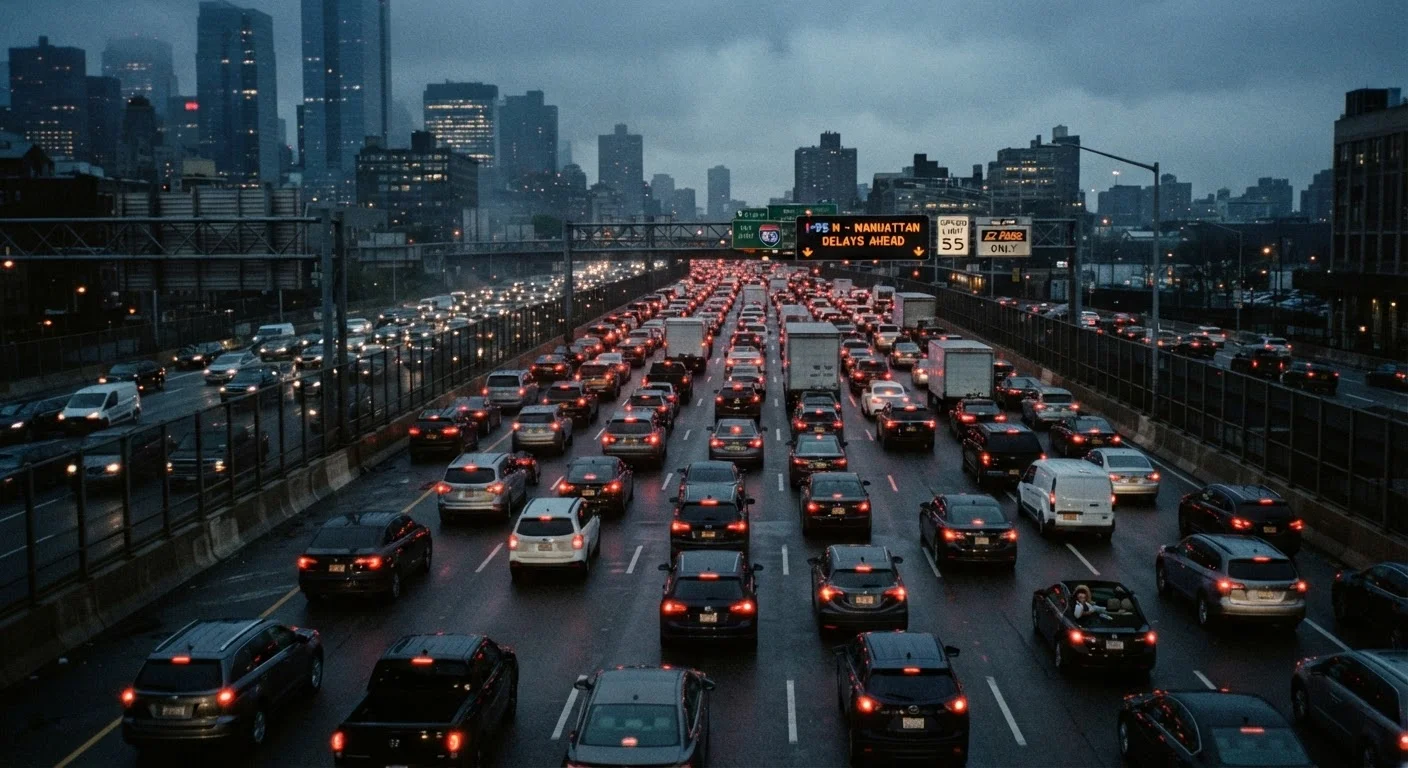
Photo: AdvisorBooth.net editorial
Key Takeaways
- Road rage is driven by stress, time pressure, anonymity, and perceived disrespect from other drivers.
- Common escalation triggers include eye contact, gestures, horn use, and retaliatory driving maneuvers.
- Avoiding engagement is the single most effective de-escalation strategy available to drivers.
- Your own behavior behind the wheel can unintentionally provoke aggression in others.
- De-escalation is about personal safety - not about who is right or wrong.
- Drivers experiencing chronic anger behind the wheel may benefit from stress management strategies.
What Turns Frustration Into Road Rage
Every driver experiences frustration behind the wheel at some point - a sudden merge, a missed signal, a driver sitting still at a green light. Most people absorb these moments and move on. Road rage happens when frustration crosses into aggression, and several predictable factors push drivers across that line.
Perceived injustice is a central trigger. When drivers believe another person has acted selfishly, recklessly, or disrespectfully toward them, it activates a strong emotional response. The vehicle itself plays a role: the anonymity and physical separation of being inside a car can make people feel less accountable for their behavior - a phenomenon sometimes called the "deindividuation" effect.
Time pressure compounds the problem. A driver running late feels that every inefficiency is a direct cost to them personally, which magnifies irritation. High-traffic environments - dense intersections, merging lanes, construction zones - create more opportunities for conflict. City driving in particular introduces frequent stop-and-go conditions that wear on patience over time.
Pre-existing emotional state matters enormously. A driver who arrives at their car already stressed, sleep-deprived, or overwhelmed carries a much lower frustration threshold before losing their temper.
Behaviors That Escalate Conflict
Understanding what escalates road rage is just as important as understanding what causes it. Certain responses - even well-intentioned ones - reliably turn a tense moment into a dangerous one.
80%
Drivers who reported experiencing road rage
According to AAA Foundation for Traffic Safety research, roughly 80% of drivers reported significant anger, aggression, or road rage at least once in a prior year.
Half
Aggressive drivers who received a retaliatory gesture
AAA research found that approximately half of drivers who were on the receiving end of aggression admitted to retaliating - which is one of the most common escalation behaviors documented.
37%
Incidents involving a firearm
Everytown for Gun Safety has reported that a significant share of road rage incidents in the U.S. involve a firearm, underscoring how quickly conflicts can turn life-threatening.
- Sustained eye contact: Holding eye contact with an angry driver signals confrontation and is widely interpreted as a challenge rather than an attempt to communicate.
- Retaliatory maneuvers: Speeding up to block a lane, brake-checking, or cutting someone off in response to their behavior signals to the other driver that the conflict is ongoing.
- Horn overuse: A brief tap can communicate a safety concern. Leaning on the horn, especially combined with gestures, is almost universally perceived as aggressive.
- Gestures: Obscene or dismissive hand gestures are among the fastest ways to turn a driving incident into a rage confrontation.
- Tailgating: Following too closely is both a safety hazard and a form of intimidation. Tailgating increases crash risk dramatically while also signaling hostility to the driver ahead.
It's worth noting that many escalating behaviors are reactive - a driver responds to what they perceive as an aggression, which triggers further escalation from the other party. Recognizing this cycle is the first step to breaking it.
Effective De-escalation Strategies
De-escalation does not mean accepting bad behavior - it means choosing personal safety over the need to be right. The strategies that consistently work rely on disengagement, not confrontation.
Give Yourself Extra Time Before You Drive
Create distance. The most effective immediate response to an aggressive driver is to slow down, change lanes if safe, and put space between your vehicle and theirs. Do not speed up to match or challenge them.
Avoid reciprocal signals. Resist the urge to gesture, honk back, or stare. These responses confirm to the aggressive driver that the conflict is mutual.
Do not exit your vehicle. If another driver follows you, pulls alongside you, or attempts to stop you, do not get out of the car. Drive to a populated area, a gas station, or a police station. Exiting the vehicle removes the physical barrier between you and a potentially dangerous person.
Acknowledge mistakes. If you made a genuine driving error, a brief, visible apology wave can defuse tension before it builds. It doesn't require elaborate communication - just a simple gesture that signals you recognize what happened.
Defensive driving principles emphasize anticipating conflict before it starts - scanning for erratic drivers, maintaining buffer space, and not placing yourself in situations where you're competing for position with another vehicle.
Managing Your Own Driving Mindset
Preventing road rage also means examining your own habits and emotional state before and during a drive. Drivers who routinely feel intense anger behind the wheel may find it useful to identify what's actually driving that stress - commute pressure, schedule overload, or broader life stressors that follow them into the car.
Practical steps include leaving earlier to reduce time pressure, listening to calming audio rather than confrontational media, and reframing other drivers' behavior. Most traffic errors are unintentional - the person who cut you off likely didn't plan it. Attributing malice to strangers in traffic is a cognitive bias that fuels unnecessary anger.
Shared road awareness also plays a role: understanding that cyclists, pedestrians, and motorcyclists operate under different constraints can reduce the frustration that often arises from their behavior in traffic.
If anger behind the wheel feels persistent or disproportionate, speaking with a mental health professional may be worth considering. Chronic irritability can affect both driving safety and overall well-being.
This article is intended for general informational purposes about driving safety. It does not constitute legal or psychological advice. If you are involved in a threatening situation on the road, contact local law enforcement.
Frequently Asked Questions
The content on this site is for informational purposes only and is not a substitute for professional advice. Always consult a qualified professional for guidance specific to your situation.