
Sharing the Road With Motorcycles, Cyclists, and Pedestrians

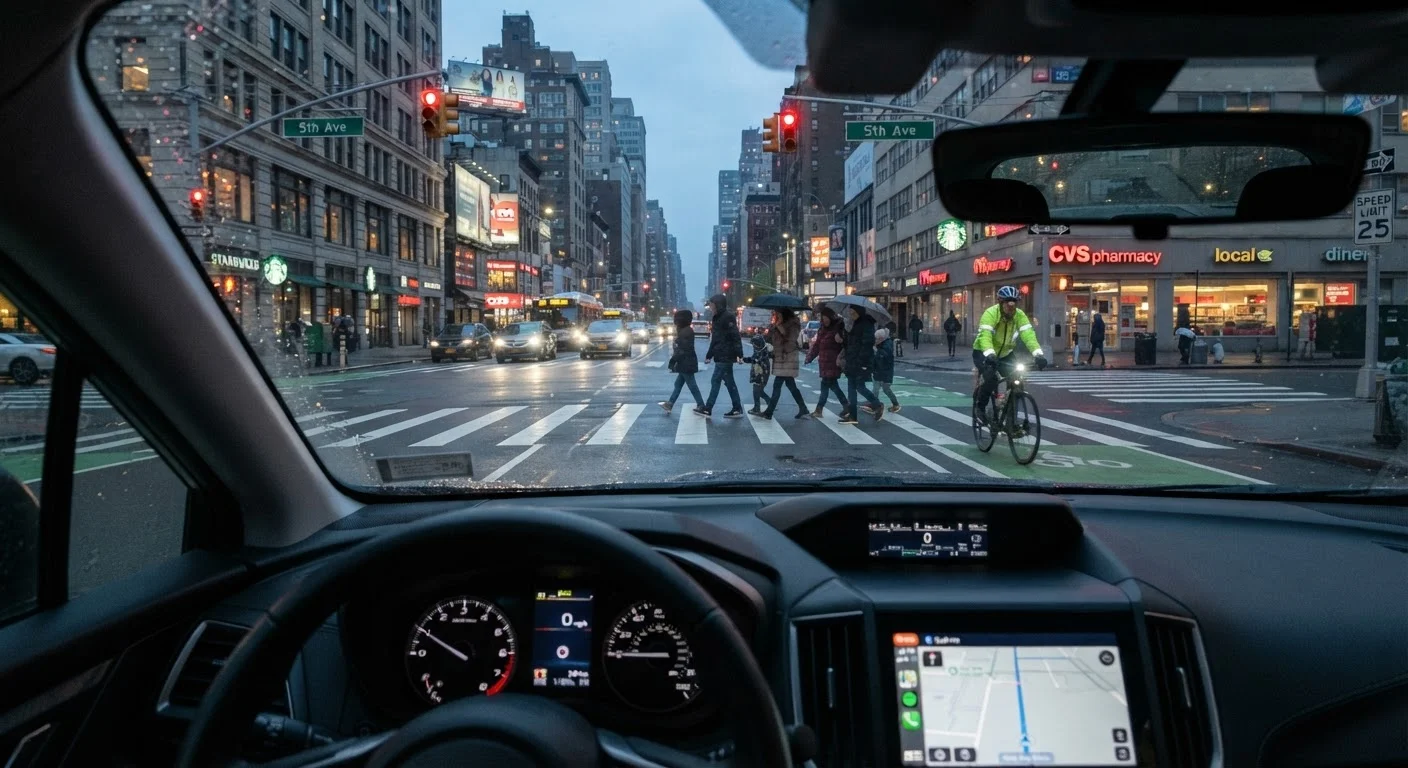
Photo: AdvisorBooth.net editorial
Key Takeaways
- Motorcyclists, cyclists, and pedestrians face dramatically higher injury risk in crashes involving motor vehicles.
- Checking blind spots, signaling early, and slowing in high-pedestrian zones are among the most impactful habits drivers can build.
- Many U.S. states legally require drivers to give cyclists a minimum passing distance of three feet.
- Distracted driving is a leading factor in crashes involving vulnerable road users.
- Anticipating unpredictable movements - especially near intersections and driveways - reduces collision risk significantly.
Why Vulnerable Road Users Face Greater Risk
When a motor vehicle collides with a motorcycle, bicycle, or pedestrian, the physics are unforgiving. Cars offer crumple zones, airbags, and steel cages. Everyone else on the road does not. According to the National Highway Traffic Safety Administration (NHTSA), pedestrians and cyclists together account for a disproportionate share of traffic fatalities relative to the miles they travel.
Understanding this imbalance is the first step toward changing driver behavior. It isn't simply a matter of following rules - it's recognizing that a momentary lapse in awareness behind the wheel can have irreversible consequences for someone who had every right to be on that road. The core principles of defensive driving apply directly here: anticipate, scan, and expect the unexpected.
76%
Pedestrian fatalities occurring in non-daylight conditions
NHTSA data consistently shows the majority of pedestrian traffic deaths occur in low-light or dark conditions, underscoring the importance of heightened vigilance at night.
3 feet
Minimum legal passing distance for cyclists in most U.S. states
As of recent years, the majority of U.S. states have enacted three-foot passing laws to protect cyclists from being struck by passing vehicles.
Sharing the Road With Motorcycles
Motorcycles are harder to see than cars, but that doesn't make them invisible - it means drivers need to look more deliberately. Several practices make a measurable difference:
Check your mirrors and blind spots before every lane change, especially on multi-lane roads.
Always signal your intentions early and maintain consistent speed around motorcycles.
Leave a full four-second following distance when traveling behind a motorcycle.
Never pass a cyclist without at least three feet of lateral clearance - more if conditions allow.
Look twice before opening a car door in urban areas - practice the 'Dutch Reach.'
Slow down and prepare to stop at all crosswalks, whether marked or unmarked.
It's also worth remembering that motorcyclists often adjust their lane position within a lane to avoid road hazards like gravel or potholes. That lateral movement is intentional - not erratic. Give them space to maneuver safely.
Safe Driving Around Cyclists and Pedestrians
Cyclists occupy an in-between legal space: they have the same rights to most roadways as motor vehicles but are subject to all the same traffic laws. Pedestrians, meanwhile, hold the highest level of legal protection - in most U.S. jurisdictions, drivers must yield to pedestrians in crosswalks, marked or not.
Confusion about right-of-way is a persistent problem. The rules around yielding and right-of-way clarify many of the situations where drivers most commonly make mistakes. When turning at an intersection, for example, drivers must yield to pedestrians crossing the street they're turning onto - even when the light is green for the car.
In school zones, near parks, and in residential neighborhoods, reduce speed proactively - not reactively. A child darting into the street may not give you time to react at normal speeds.
The Role of Distraction and Attention
Distracted driving is one of the most commonly cited factors in crashes involving cyclists and pedestrians. Glancing at a phone for just two seconds at 30 mph means traveling roughly 88 feet without watching the road. That's more than enough distance for a pedestrian to step off a curb.
The same heightened awareness that helps drivers avoid the dangers of tailgating applies to watching for vulnerable users. Drivers should actively scan intersections, driveways, and parking lot exits - spots where pedestrians and cyclists often appear with little warning. Side-view and rearview mirrors should be checked regularly, and turning maneuvers should always begin with a full shoulder check.
Intersection Awareness Is Critical
Ultimately, sharing the road effectively is a habit built through consistent attention and a genuine sense of responsibility to others. Every trip is an opportunity to practice it.
The content on this site is for informational purposes only and is not a substitute for professional advice. Always consult a qualified professional for guidance specific to your situation.