
Night Driving Challenges and How to Manage Them

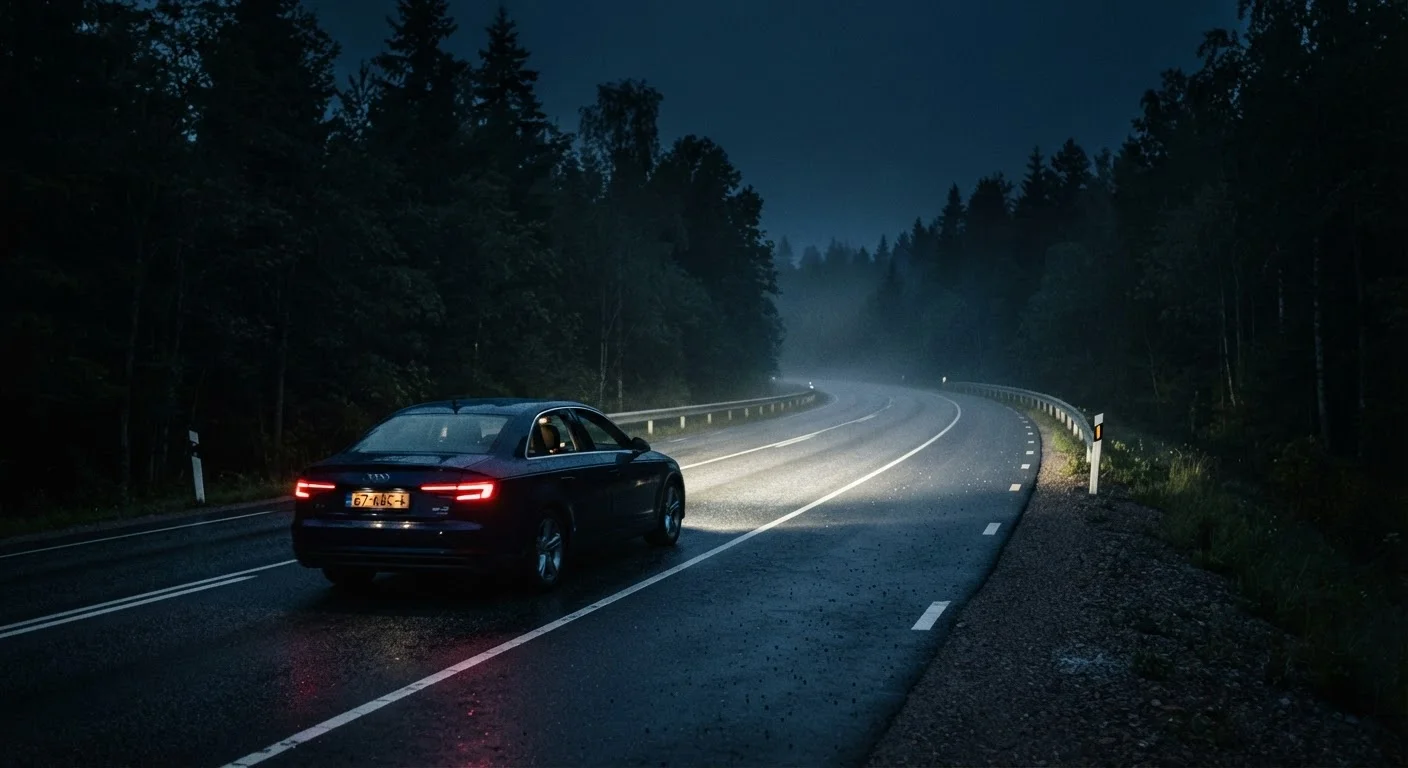
Photo: AdvisorBooth.net editorial
Key Takeaways
- Fatal crash rates are disproportionately higher at night despite lower overall traffic volume.
- Human vision degrades significantly in low light, reducing both depth perception and peripheral range.
- Clean headlights, proper aim, and reduced speed are the most impactful adjustments any driver can make.
- Driver fatigue is a major nighttime risk - recognizing its early signs can prevent serious crashes.
- Glare from oncoming headlights can temporarily blind drivers; knowing where to look helps manage it.
Why Nighttime Roads Are Riskier
Despite accounting for a smaller share of total driving miles, nighttime driving is involved in a disproportionate number of fatal crashes in the U.S. According to the National Safety Council, traffic fatality rates at night are roughly three times higher than during the day. The reasons are interconnected: reduced visibility, impaired driver alertness, and a higher prevalence of alcohol-impaired drivers on the road after dark.
Human eyes are not built for low-light driving. The eye's ability to judge distance, detect color, and track movement all decline in darkness. Peripheral vision - critical for catching movement at the edges of the road - narrows considerably. These limitations exist for every driver regardless of experience, which is why conditions matter more at night than individual skill alone.
For context on how environmental conditions compound these challenges, see our guide on driving in fog, rain, and snow, where reduced visibility interacts with slippery surfaces in similar ways.
3×
Higher fatality rate at night vs. daytime
According to the National Safety Council, traffic deaths per mile driven are roughly three times higher at night than during daylight hours.
~50%
Of fatal crashes occur in darkness
The NHTSA has reported that approximately half of all traffic fatalities occur during nighttime hours, despite significantly lower overall traffic volumes after dark.
Best Practices for Safer Night Driving
Understanding the risks is the starting point. The following practices directly address the most common failure points when driving after dark.
Reduce your speed to match your actual sight distance
Use high beams strategically and switch them off for oncoming traffic
Look toward the right edge of the road when facing oncoming glare
Increase following distance beyond the standard three-second rule
Keep all glass surfaces clean inside and out
Managing Fatigue and Staying Alert
Driver fatigue is one of the most underestimated dangers on nighttime roads. The body's circadian rhythm naturally promotes sleepiness in the late-night and early-morning hours - a pattern that doesn't respond reliably to caffeine or loud music over time. Warning signs include difficulty keeping your eyes focused, missing exits or signs, and drifting within a lane.
If you notice these signs, the only reliable remedy is rest. Pulling off at a well-lit rest stop or parking lot and taking a short nap is far safer than pushing through. Plan longer nighttime drives to include scheduled rest breaks, and if possible, share driving duties with a passenger.
Distraction compounds fatigue significantly. Our article on distracted driving and attention research explains why even brief cognitive lapses carry outsized consequences at highway speeds.
The Only Real Fatigue Fix Is Rest
Vehicle Preparation and Maintenance
A vehicle in poor repair is a greater liability at night than during the day. Headlights that are dim, misaligned, or covered in oxidized plastic dramatically reduce your forward visibility - and your ability to be seen by others. Windshields with interior film or fine scratches scatter oncoming light and intensify glare. Wiper blades that smear rather than clear create dangerous visibility gaps the moment it drizzles.
Before regular nighttime driving, make a habit of checking that all exterior lights - headlights, taillights, turn signals, and brake lights - are functioning. Headlight lens restoration kits can improve visibility through yellowed plastic covers, though severely degraded assemblies may warrant replacement. These are maintenance items worth prioritizing, not optional upgrades. Our car maintenance hub covers routine checks that support overall vehicle safety.
If a dashboard warning light illuminates during a night drive, don't ignore it. Our reference guide on dashboard warning lights explains what each symbol signals and when it's safe to continue driving.
Headlight Aim Affects Both Visibility and Safety
The content on this site is for informational purposes only and is not a substitute for professional advice. Always consult a qualified professional for guidance specific to your situation.