
Distracted Driving by the Numbers: What Research Tells Us About Attention Behind the Wheel

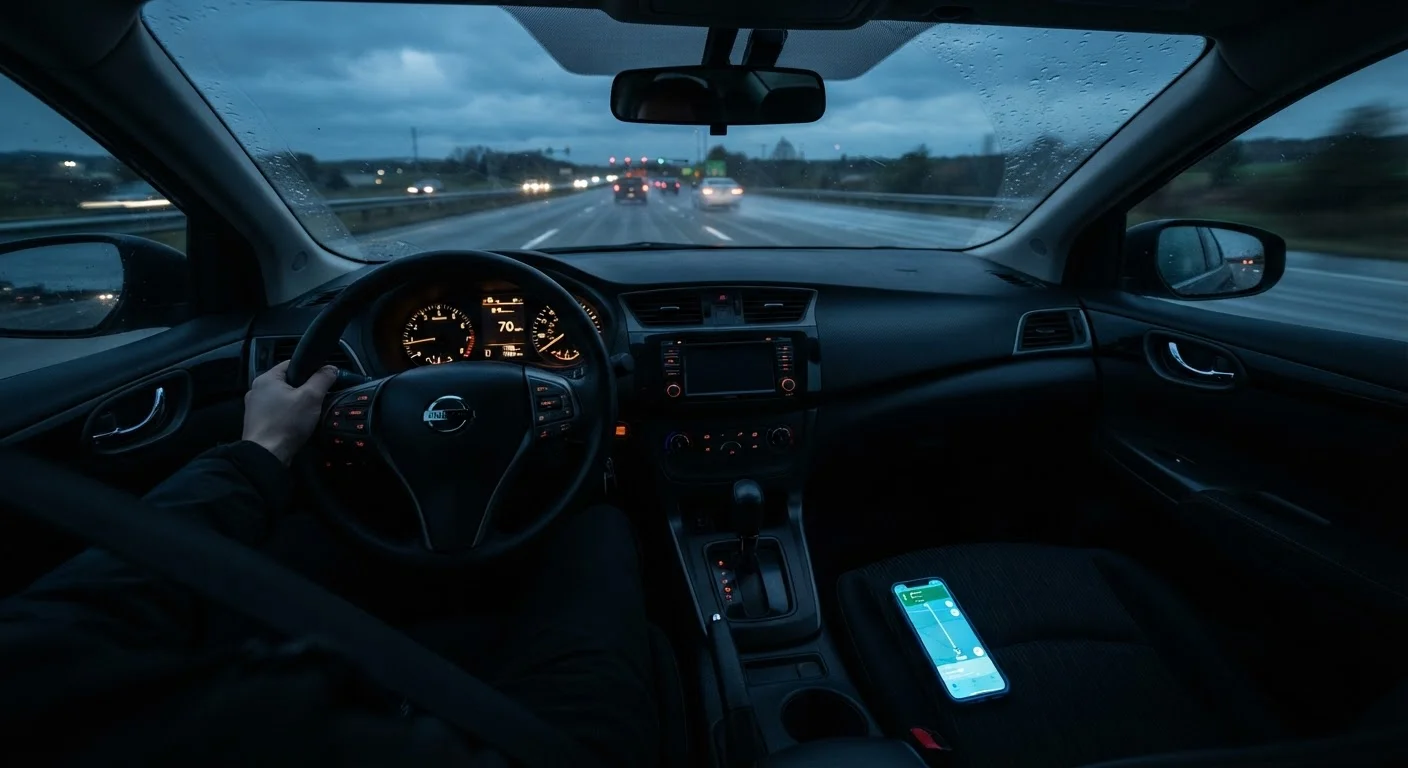
Photo: AdvisorBooth.net editorial
What Distracted Driving Actually Means
Distracted driving is any activity that diverts attention away from the primary task of operating a vehicle safely. Traffic safety researchers classify distractions into three overlapping categories: visual (eyes off the road), manual (hands off the wheel), and cognitive (mind off driving). Many common behaviors - particularly phone use - trigger all three simultaneously, which is why they draw such concentrated research attention.
Cognitive distraction is frequently underestimated because it is invisible. A driver can be looking straight ahead while their attention is largely elsewhere, a phenomenon researchers sometimes call inattention blindness. Studies from the AAA Foundation for Traffic Safety have found that hands-free phone conversations still measurably impair driving performance compared with undistracted baselines, because the mental workload of maintaining a conversation competes with the processing demands of the road.
Visual Distraction
Any activity that causes a driver to look away from the road ahead. Examples include reading a text message or glancing at a navigation screen mounted outside the central field of view.
Manual Distraction
Any activity that requires one or both hands to leave the steering wheel. Eating, adjusting controls, and holding a phone are common examples.
Cognitive Distraction
A reduction in mental attention to the driving task, even when a driver's eyes remain on the road. Hands-free phone conversations and intense daydreaming are well-documented examples.
Inattention Blindness
A phenomenon in which a driver's eyes are directed at the road but the brain fails to fully process what is seen, because mental resources are occupied elsewhere. It has been documented in laboratory and naturalistic driving studies.
Naturalistic Driving Study
A research method that uses onboard cameras and sensors to record real drivers in everyday conditions over extended periods, allowing researchers to observe distraction and near-crash events as they naturally occur.
Understanding these distinctions is foundational to defensive driving principles - awareness of how your own attention degrades is the first step toward managing it.
Key Statistics from Traffic Safety Research
Federal crash data and independent research consistently identify distraction as a contributing factor in a significant share of U.S. traffic fatalities and injuries each year. The following reference data reflects findings from the National Highway Traffic Safety Administration (NHTSA) and peer-reviewed traffic safety literature.
| Distraction-related fatalities (U.S.) | Thousands annually (NHTSA Traffic Safety Facts, annually reported) |
| Eyes-off-road during a 5-second text at 55 mph | ~300 feet (football field length) (NHTSA distracted driving data) |
| Distraction types | Visual, Manual, Cognitive (NHTSA classification framework) |
| Hands-free calls vs. undistracted driving | Still measurably impairs performance (AAA Foundation for Traffic Safety research) |
| Most frequent cognitive distraction type | Mind-wandering / daydreaming (Naturalistic driving study literature) |
| U.S. states with handheld phone bans | Majority of states have enacted restrictions (Governors Highway Safety Association, ongoing tracking) |
One data point that consistently surprises drivers: at highway speeds of 55 mph, taking your eyes off the road for five seconds - roughly the time to read a short text - means traveling approximately the length of a football field without visual awareness of the road ahead. This figure, cited by NHTSA, illustrates why even brief visual distractions carry serious consequences.
Distraction also interacts with other risk factors. Drivers who are already fatigued or navigating unfamiliar roads face compounded attention demands. For more on how reduced attention compounds risk, see our article on night driving challenges, where fatigue and visibility limitations create a similar layering effect.
Phones, Infotainment, and Other Common Sources
Handheld phone use while driving is among the most studied distraction sources. NHTSA data show that handheld device use is observed in a measurable percentage of drivers at any given daylight moment - a figure tracked through annual national observational surveys. Texting draws particular concern because it combines all three distraction types at once.
However, phones are not the only culprit. Research has examined a wide range of distraction sources:
- Eating and drinking - manual and sometimes visual distraction; common during commutes
- In-vehicle infotainment systems - touchscreen interaction can demand sustained visual and manual attention, sometimes longer than a phone glance
- Passengers - conversational distraction; research suggests teen passengers can elevate crash risk for novice drivers specifically (see what research shows about teen driver risk)
- Daydreaming or mind-wandering - purely cognitive; studies suggest it may be the most frequently occurring distraction type
Modern safety systems can partially offset some consequences of momentary inattention, but they are not designed to compensate for sustained distraction. Our explainer on how active safety systems work details their actual capabilities and limits.
Hands-Free Does Not Mean Risk-Free
What Drivers Can Do With This Information
Research findings are most useful when they shift driver behavior rather than simply produce alarm. A few evidence-informed practices stand out:
- Treat phone silencing as a pre-drive routine - placing the phone out of reach (glove box, back seat) removes the temptation before it arises, which behavioral research suggests is more effective than relying on willpower mid-drive.
- Recognize that hands-free is not distraction-free - if a conversation becomes mentally demanding, it is reasonable to end it or pull over safely.
- Build in time buffers - much distracted behavior (navigation adjustments, eating, checking messages at red lights) stems from time pressure. Departing earlier reduces the urgency that drives these shortcuts.
- Audit your infotainment habits - interacting with vehicle touchscreens while moving carries real attention costs; pre-program destinations and settings before driving.
These habits align directly with the anticipation-based mindset described in our coverage of defensive driving mental habits. Distraction and following distance are also linked risks - a distracted driver has significantly less capacity to react within a safe stopping window.
The content on this site is for informational purposes only and is not a substitute for professional advice. Always consult a qualified professional for guidance specific to your situation.