
A New Driver's Introduction to Highway Driving

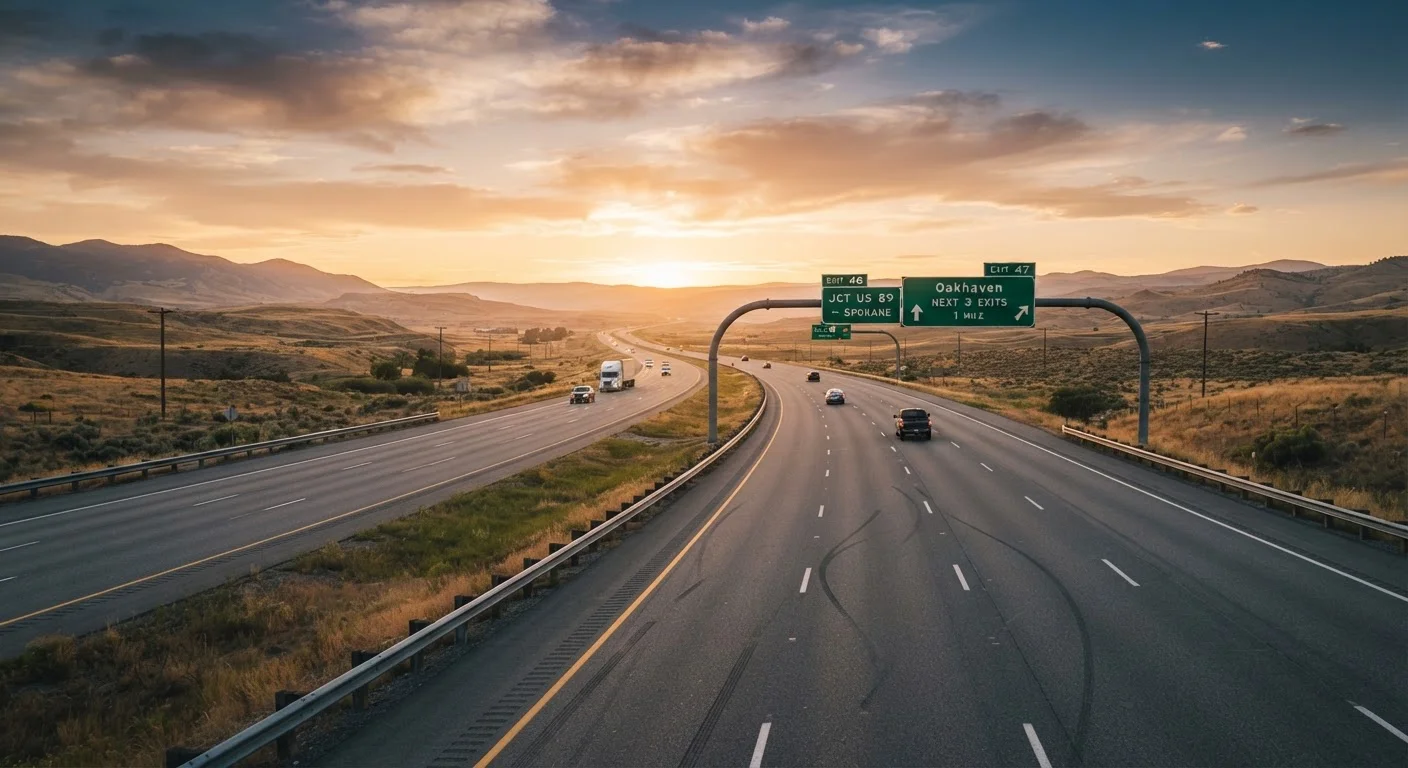
Photo: AdvisorBooth.net editorial
Key Takeaways
- The on-ramp is your acceleration zone - match highway speed before merging, not after.
- A three-second following distance is the minimum; increase it in poor conditions.
- Always check mirrors and blind spots before any lane change, and signal first.
- Begin slowing for an exit in the deceleration lane, not while still in traffic.
- Stay in the right lane unless overtaking - left lanes are for passing, not cruising.
- Early, consistent practice on low-traffic highways builds lasting confidence.
What Makes Highway Driving Different
City driving is defined by frequent stops, intersections, and low speeds. Highway driving flips those demands entirely: speeds are sustained and high, interactions with other vehicles happen quickly, and mistakes have less room for recovery. Understanding this shift in environment is the foundation of safe highway travel.
The key differences new drivers notice immediately are sustained speed, larger trucks and commercial vehicles, and the absence of traffic signals to create natural pauses. There is no red light to reset your attention - you must stay continuously engaged. See how these contrasts play out in detail in our article on highway versus city driving skills.
On-ramp
A short road that connects surface streets to the highway, designed for vehicles to accelerate up to highway speed before merging into traffic.
Blind spot
The area beside and slightly behind your vehicle that your mirrors do not show. Always turn your head briefly to check this zone before changing lanes.
Deceleration lane
An exit-only lane alongside the highway where drivers slow down before leaving. You should reduce speed here, not while still in the main travel lanes.
Following distance
The gap of space and time between your vehicle and the car directly ahead. A larger gap gives you more time to react if the car ahead stops or slows suddenly.
Gore point
The painted triangular area that separates an exit ramp from the main highway lane. It is illegal and dangerous to drive over or reverse across this area.
Traffic flow
The collective speed and movement of vehicles on the highway. Driving significantly faster or slower than surrounding traffic increases collision risk.
Merging onto the Highway
The on-ramp is where most new drivers feel the sharpest anxiety - and it is the most important maneuver to understand clearly. The on-ramp is an acceleration lane. Its entire purpose is to give you space and time to reach highway speed before you join traffic.
- Accelerate through the ramp. Do not treat the on-ramp like a city street. Use it fully to reach a speed close to the flow of highway traffic.
- Check your mirrors and blind spot early. Begin scanning for a gap in the right lane while you are still accelerating, not at the last moment.
- Signal your intent. Turn on your turn signal as you approach the merge point so nearby drivers know you are entering.
- Merge smoothly into the gap. Adjust your speed to slot in cleanly - neither forcing other drivers to brake hard nor crawling in far below traffic speed.
If the ramp is short or traffic is heavy, you may need to yield briefly at the ramp's end. This is safer than forcing a merge at the wrong speed.
Practice the Scan Before You Need It
Speed, Spacing, and Lane Discipline
Once on the highway, three habits determine most of your safety margin: maintaining appropriate speed, keeping adequate following distance, and staying in the correct lane.
Speed
Drive at or near the posted speed limit and with the flow of traffic. Driving significantly slower than surrounding traffic is as hazardous as speeding, because it creates unpredictable speed differentials that other drivers must react to.
Following Distance
Use the three-second rule: when the car ahead passes a fixed point, at least three seconds should pass before your car reaches that same point. In rain or reduced visibility, extend this gap. Our guide on driving in adverse weather conditions explains how conditions change these calculations.
Lane Discipline
The right lane is the default travel lane. The left lane is for passing. Once you have completed an overtake, return to the right lane. Middle lanes on three-or-more-lane highways are for steady travel when traffic requires it.
Making Lane Changes Safely
Lane changes on the highway are low-risk when executed with a consistent routine, and high-risk when rushed or done without checking blind spots.
- Check your mirrors. Scan your center mirror, then the side mirror on the side you plan to move toward.
- Check your blind spot. Physically turn your head briefly to look into the area your mirrors cannot show - typically just behind and beside your vehicle.
- Signal. Activate your turn signal to alert other drivers before you begin moving.
- Move gradually. Ease into the new lane with a smooth steering input, not a sharp jerk.
- Cancel the signal. Turn off your indicator once the lane change is complete.
Avoid changing multiple lanes at once. Move one lane at a time, re-check, then move again if needed. Pairing this technique with the broader awareness habits described in our defensive driving guide can meaningfully reduce your crash risk.
Exiting the Highway
Exits require planning ahead. Highway signs typically give you advance notice at one mile, then half a mile, then at the exit itself. Use these cues to position yourself early.
- Get into the right lane well before your exit. Rushing a last-minute lane change across traffic is a common cause of crashes.
- Move into the deceleration lane (the exit-only lane) before reducing your speed significantly.
- Brake gradually once in the deceleration lane, not before. Braking in active traffic to slow for an exit creates a rear-end collision risk.
- Watch your speedometer. After sustained highway speeds, 35 mph can feel slow - but it is not. Exit ramps often have tight curves designed for much lower speeds than highway travel.
If you miss your exit, proceed calmly to the next one. Never brake hard, reverse, or cut across a gore point (the painted triangle separating the exit lane from the main road).
Building Confidence Over Time
Comfort on the highway comes from deliberate, repeated practice. Start with low-traffic times - early weekend mornings are ideal - and short highway segments before progressing to busier conditions and longer trips. Having an experienced, calm passenger with you during early sessions provides a helpful second set of eyes and reduces anxiety.
Keep your vehicle in reliable condition too. A car that handles predictably is far easier to manage at highway speeds. Our car maintenance guide for first-time owners covers the essential checks every new driver should know. As your skills grow, consider exploring structured defensive driving principles that experienced drivers use to anticipate hazards before they develop.
Graduated Licensing Restrictions May Apply
Frequently Asked Questions
The content on this site is for informational purposes only and is not a substitute for professional advice. Always consult a qualified professional for guidance specific to your situation.