
Seasonal Shopping Cycles: A Reference Guide to When Prices Typically Drop

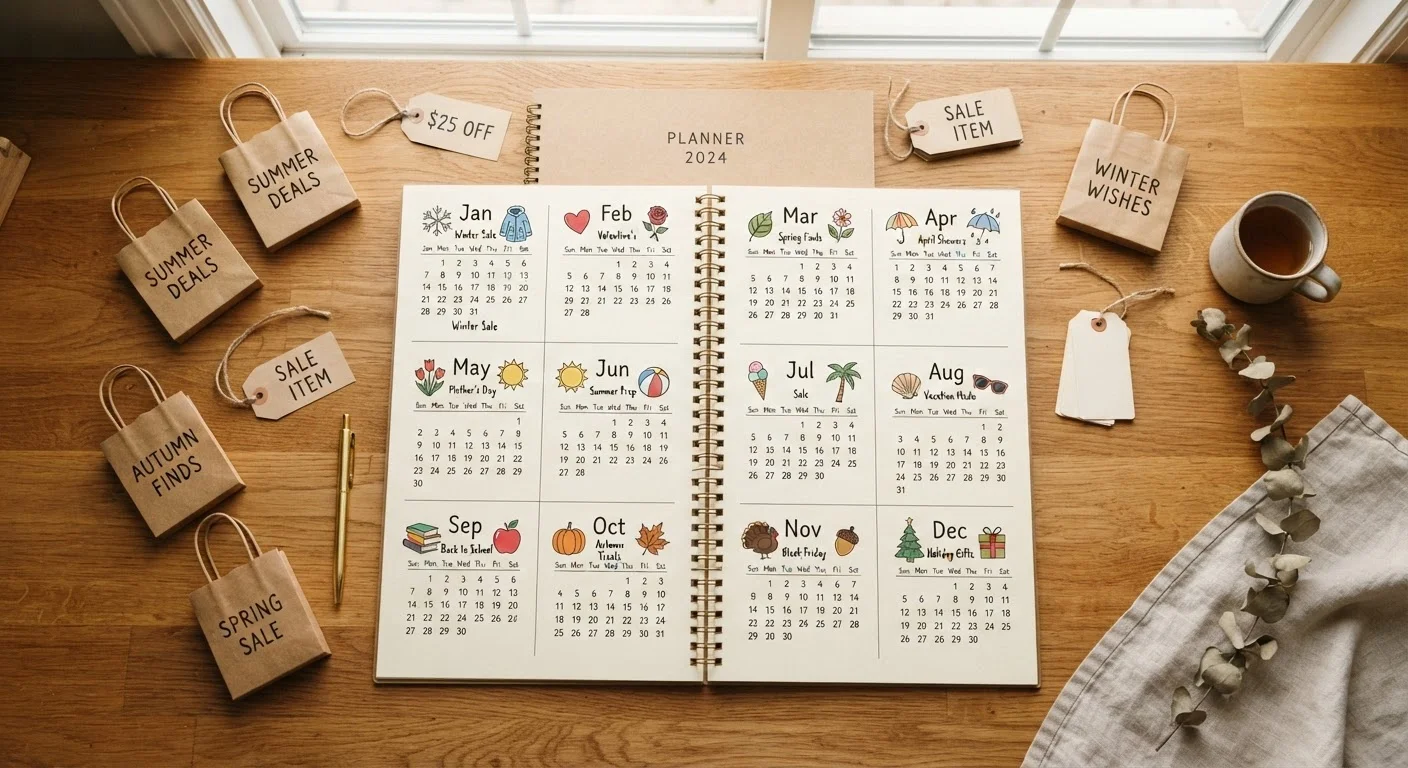
Photo: AdvisorBooth.net editorial
How Retail Pricing Cycles Actually Work
Retailers don't set prices randomly. Pricing is driven by inventory management, manufacturer model cycles, consumer demand patterns, and promotional calendars. When demand is low and inventory is high - typically after a season peaks - prices tend to fall. Understanding this logic helps you anticipate windows rather than simply react to advertised sales.
Two forces primarily drive seasonal price drops: clearance cycles (retailers making room for incoming stock) and model-year changeovers (manufacturers releasing updated versions, making prior stock less desirable to hold). Both create predictable patterns you can plan around.
Keep in mind that "sale" doesn't always mean genuinely lower. See how to distinguish a real deal from a manufactured one for a deeper look at retail pricing psychology.
Patterns Vary by Retailer and Region
Category-by-Category Timing Reference
Use this as a quick-reference lookup. Timing windows are approximate and based on broad U.S. retail patterns.
| Appliances: Typical Low-Price Window | September-October and holiday weekends (General retail industry pattern) |
| Winter Clothing: Typical Low-Price Window | January-February (post-season clearance) (General retail industry pattern) |
| Outdoor & Lawn Gear: Typical Low-Price Window | August-September (General retail industry pattern) |
| Consumer Electronics: Typical Low-Price Window | November and January (General retail industry pattern) |
| Furniture: Typical Low-Price Window | February and August (General retail industry pattern) |
| Holiday Décor: Typical Low-Price Window | Days after the relevant holiday (General retail industry pattern) |
Clothing & Apparel
End-of-season clearance is the most reliable pattern in apparel. Winter clothing tends to be discounted heavily in January and February. Summer clothing follows the same logic in August. Swimwear often sees its steepest markdowns in late July and August. Shopping one season ahead - buying a winter coat in February for next year - is one of the most straightforward ways to take advantage of these cycles.
Major Appliances
Large appliances like refrigerators, ranges, and dishwashers tend to see price softening in September and October, when manufacturers release new models and retailers need to clear floor stock. Holiday weekends (Memorial Day, Labor Day, and similar) have historically been associated with appliance promotions as well, though the depth of those discounts varies.
Consumer Electronics
The November holiday period is the most widely known window for electronics pricing. A less-discussed window is January, when post-holiday inventory clearance and the Consumer Electronics Show (CES) announcements can both push prices down on prior-generation devices. For evaluating whether a lower price on electronics actually reflects good value, consider the full cost including accessories and warranties.
Furniture & Home Furnishings
Furniture retailers traditionally run major promotions around Presidents' Day weekend in February and again in August, timed around back-to-school and the transition between summer and fall showroom layouts. These aren't universal, but the pattern is common enough to be worth planning around.
Outdoor, Lawn & Garden
Lawn mowers, patio furniture, grills, and garden supplies typically see end-of-season markdowns beginning in August and deepening through September. Buying these items in late summer rather than spring means shopping against the demand curve.
Holiday & Seasonal Décor
Décor tied to specific holidays is almost always discounted sharply in the days immediately following that holiday. Christmas items drop after December 25; Halloween items after October 31. If you're willing to store items, this is one of the most predictable pricing patterns in retail.
Building a Forward-Looking Shopping Mindset
Using seasonal cycles effectively requires a small shift in habit: thinking about purchases weeks or months before you actually need them. This doesn't mean hoarding or overspending - it means identifying categories where you have flexibility and targeting those windows intentionally.
A practical starting point: review your household's recurring purchases over the past year. If you bought a new winter jacket in November at full price, for example, you were shopping at peak demand - the opposite of when clearance pricing emerges. Making a simple list of flexible categories and their optimal windows gives you a ready reference when timing matters.
For grocery and everyday consumables, seasonal cycles apply differently. Building a consistent grocery routine tends to matter more than timing individual shopping trips to specific calendar windows.
Finally, whether you shop online or in-store can affect which promotions you can access. Understanding the tradeoffs between channels is worth factoring into your seasonal shopping strategy as part of the broader everyday savings approach.
Jan-Feb
Peak clearance for winter apparel
Retailers typically move remaining cold-weather inventory at steep discounts as spring merchandise arrives.
~4-8 weeks
Window after model-year changeover for appliance discounts
When manufacturers release new appliance models, prior-year floor stock is often marked down by retailers clearing space.
The content on this site is for informational purposes only and is not a substitute for professional advice. Always consult a qualified professional for guidance specific to your situation.