
Why Shoppers Consistently Overpay-and the Cognitive Traps Behind It

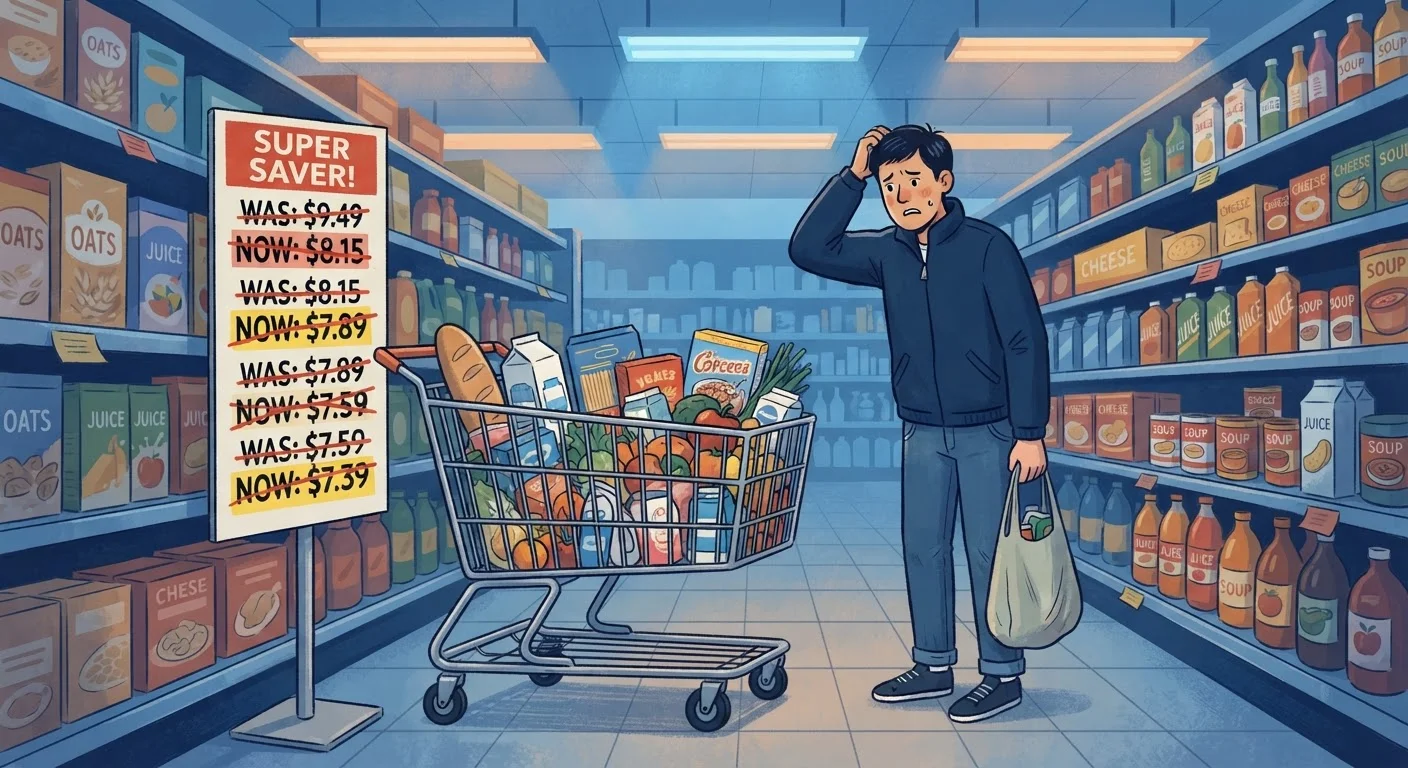
Photo: AdvisorBooth.net editorial
Key Takeaways
- Anchoring effects make an initial price feel like a reference point, skewing every comparison that follows.
- Decoy pricing is engineered to steer you toward a specific option, not give you a genuine choice.
- Artificial scarcity cues trigger urgency that overrides careful cost evaluation.
- Slowing down and researching a baseline price before shopping is the single most reliable defense.
- Hidden costs - shipping, subscriptions, accessories - routinely push the real price well above the sticker.
How Pricing Psychology Works Against You
Retail pricing is rarely neutral. The numbers you see are often chosen to shape your perception rather than reflect straightforward value. Behavioral economists have documented for decades how predictable mental shortcuts - heuristics - can be exploited to push spending higher. Understanding those shortcuts is the foundation of spending more deliberately.
The mistakes below aren't signs of being naive or careless. They're the natural output of cognitive patterns that evolved for a different world. Recognizing them in real time is what separates reactive shoppers from deliberate ones. For a broader look at how store environments are designed to encourage unplanned spending, see how stores encourage you to spend more.
Treating the first price you see as a fair reference point (anchoring).
Falling for decoy pricing - choosing the 'middle' option because it looks reasonable by comparison.
Responding to artificial scarcity cues - 'only 3 left' or countdown timers.
Ignoring total cost of ownership and focusing only on the sticker price.
Letting brand familiarity substitute for actual price comparison.
Building Habits That Counteract the Traps
Awareness alone doesn't fully protect you - habits do. One of the most effective is establishing a price baseline before you enter any shopping environment, physical or digital. A quick search for the item's price history or typical market range gives you a real anchor to replace the one the retailer is trying to set for you.
~$5,400
Average annual U.S. household impulse spending
A Slickdeals consumer survey estimated American shoppers spend roughly this amount per year on unplanned purchases, driven largely by deals and in-store cues.
Up to 40%
Price variation for identical items across retailers
Consumer research organizations have documented price differences of 20-40% for the same product sold across different online and brick-and-mortar retailers simultaneously.
Another durable habit is adding a deliberate pause before finalizing any purchase over a personally meaningful threshold. Research in consumer behavior consistently shows that even a short waiting period - leaving items in a cart overnight, for example - substantially reduces impulse-driven regret. For a deeper look at the triggers behind unplanned purchases, the psychology behind impulse buying covers evidence-backed strategies that actually work.
Finally, train yourself to calculate total cost of ownership, not just sticker price. Accessories, consumables, service plans, and subscription add-ons are where many budgets quietly erode. Our guide to hidden costs that wreck budgets surfaces the line items most people miss. Similarly, practical saving strategies can help you build a consistent framework for spending less without sacrificing what matters.
The content on this site is for informational purposes only and is not a substitute for professional advice. Always consult a qualified professional for guidance specific to your situation.