
Evaluating Quality When You Can't Touch the Product Before Buying

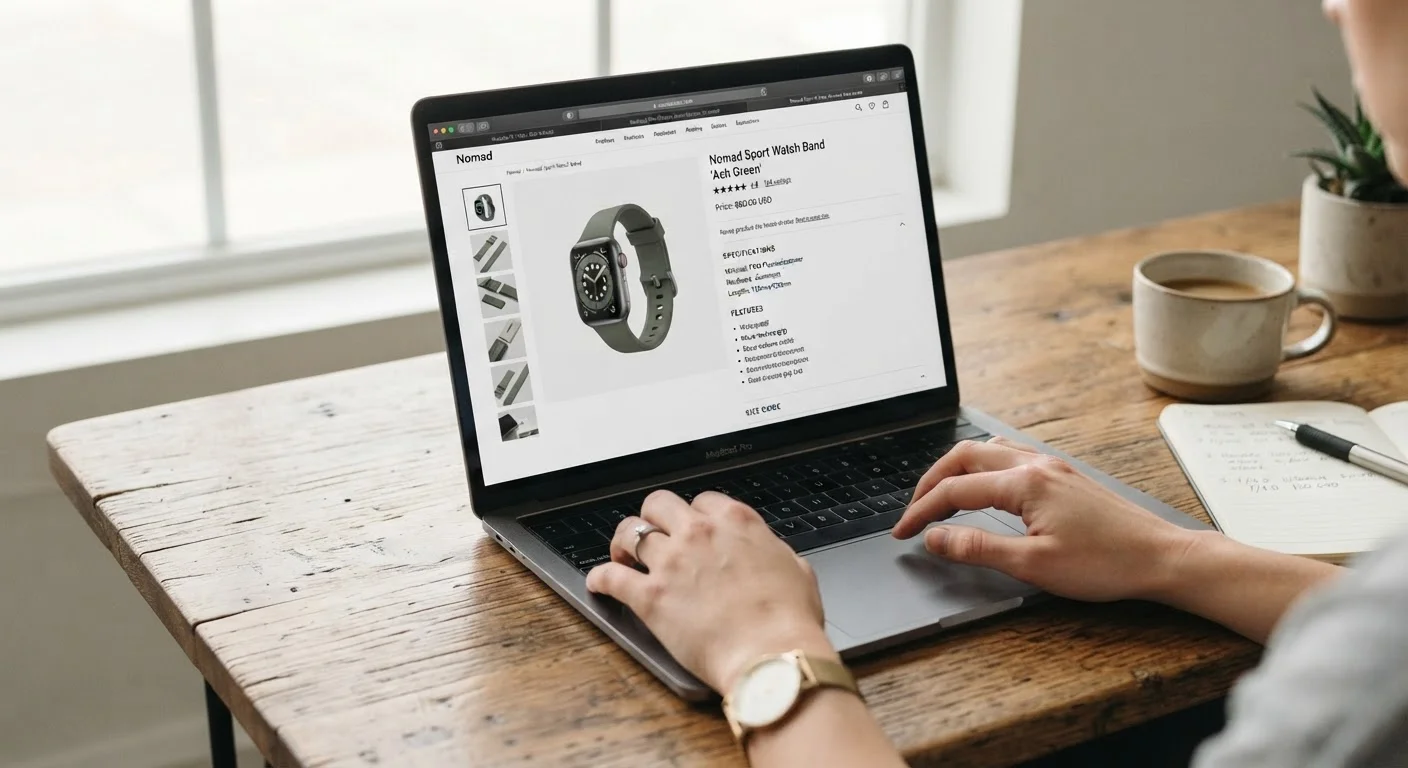
Photo: AdvisorBooth.net editorial
Key Takeaways
- Product photos, material callouts, and weight specs reveal more about quality than marketing copy.
- Independent review platforms and verified buyer feedback are more reliable than on-site ratings alone.
- Return and warranty policies signal how much confidence a seller actually has in their product.
- Specifications can be compared across similar items to spot corners being cut on cheaper options.
- Third-party testing organizations publish findings that cut through manufacturer claims.
Why Online Quality Assessment Requires a Different Skillset
In a physical store, you can flex a fabric, feel a seam, lift a pan to gauge its heft, or press a button to test its responsiveness. Online, you have pixels and prose - and plenty of incentive for sellers to make both look better than reality.
That gap isn't insurmountable, but it does require a deliberate approach. The good news: product listings contain more usable signal than most shoppers extract. Knowing where to look - and what to ignore - puts you in a much stronger position before you commit. See our value assessment checklist for a structured framework to apply before any significant purchase.
How to Extract Real Quality Signals from a Listing
Sellers control their listings, but quality signals still leak through - in spec tables, photo details, and what's conspicuously absent. Here's how to read them systematically.
82%
Shoppers who rely on reviews before buying
According to a PowerReviews survey, approximately 82% of U.S. shoppers consult user reviews as a key step before making a purchase decision.
~30%
Online reviews estimated to be fake or incentivized
Research published by the University of Baltimore estimated that a substantial share of online product reviews may be fake or incentivized, underscoring the need for off-platform verification.
When reviewing specifications, don't just compare numbers - compare what's listed versus what's omitted. A furniture listing that specifies "solid wood" for some parts but stays vague about others is telling you something. Our guide on reading between the lines of product specifications goes deeper on which figures matter by category.
For reviews, the most useful feedback is usually in the middle range - 3-star reviews from verified buyers often contain the most honest tradeoffs. Check how to spot fake reviews before treating any on-site rating at face value.
Quick Wins You Can Apply Right Now
You don't need to overhaul your shopping process to start making better quality calls. These targeted actions work on almost any product category, from apparel to appliances.
One often-overlooked resource: third-party testing organizations publish independent comparisons across many product categories. Their findings aren't tied to advertising relationships, which makes them a more reliable reference point than sponsored roundups. Research on generic versus name-brand quality shows how much independent testing can differ from brand reputation alone.
Using Policies and Seller Behavior as Quality Proxies
A seller's policies - return windows, warranty terms, and responsiveness - function as a secondary quality signal. A manufacturer confident in their product's durability typically offers a longer warranty. A seller who makes returns difficult may be banking on you keeping something you're dissatisfied with.
“A good product doesn't need a complicated return policy. The easier it is to send something back, the more confident the seller is that you won't want to.”
— Consumer Reports Editorial Team, Independent consumer product testing organization
Before completing any purchase, verify the seller's standing: check if they respond to customer questions, how they handle negative reviews, and whether their shipping and return policies are clearly documented. Our pre-purchase safety checklist walks through this verification step by step. Understanding how value differs by product category also helps you calibrate your expectations for what a fair warranty or return window looks like.
This article provides general consumer education and is not a substitute for professional advice. Product quality assessments depend on individual circumstances; results from any evaluation strategy will vary.
The content on this site is for informational purposes only and is not a substitute for professional advice. Always consult a qualified professional for guidance specific to your situation.