
Reading Between the Lines: Red Flags in a Rental Listing or Lease

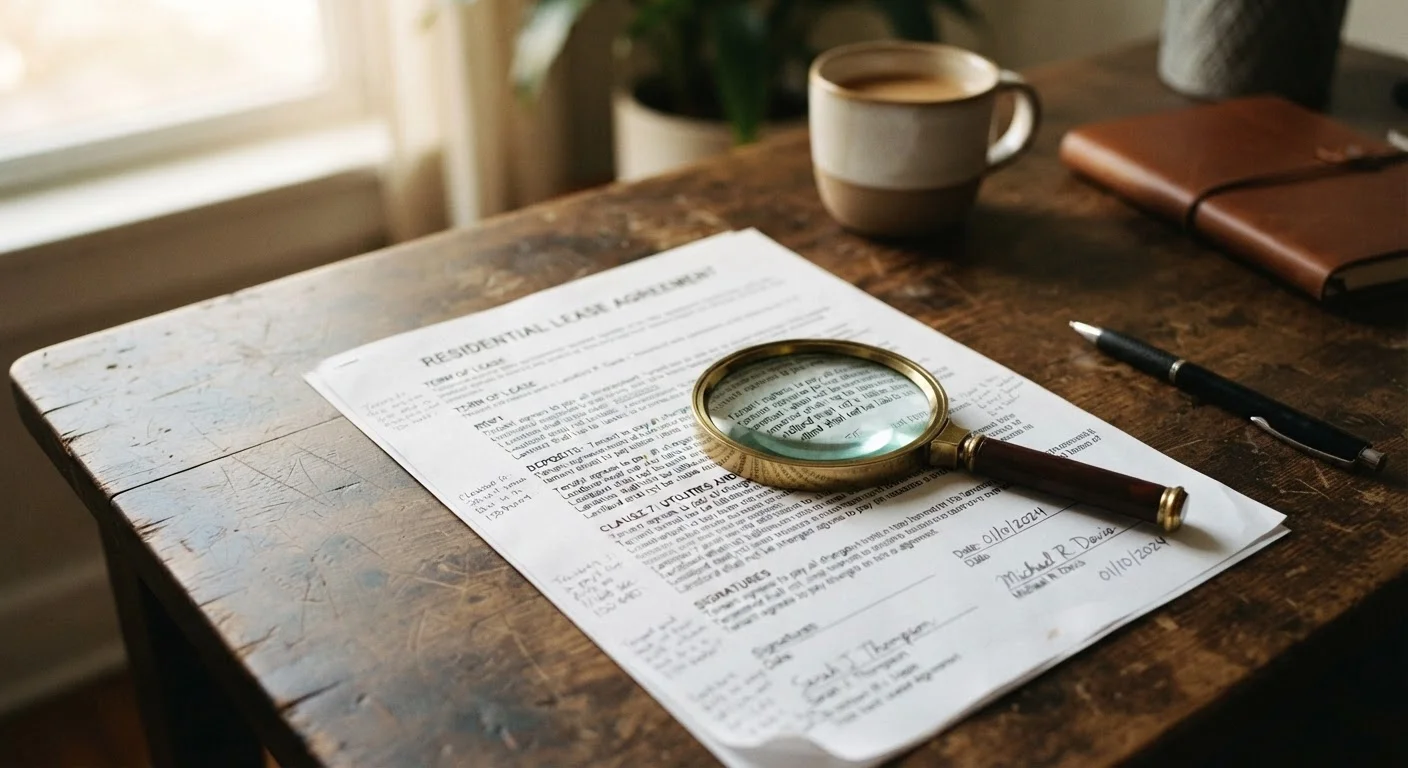
Photo: AdvisorBooth.net editorial
Key Takeaways
- Vague or incomplete listings are often a preview of poor communication from a landlord.
- Missing legally required disclosures-like lead paint or mold-can indicate a problematic property or landlord.
- Certain lease clauses may conflict with state tenant protection laws and deserve extra scrutiny.
- Rushing to sign without reading carefully is one of the most common and costly renter mistakes.
- Documenting everything before move-in is your strongest protection against unfair deposit deductions.
What a Listing Can Tell You Before You Ever Tour
A rental listing is more than an advertisement - it's an early window into how a landlord operates. Legitimate landlords typically provide clear details: the unit's square footage, which utilities are included, whether pets are allowed, parking arrangements, and the lease term. When these basics are absent or buried in generic language, it often reflects either disorganization or deliberate vagueness.
Pay close attention to photos. Listings with no interior images, suspiciously curated angles that avoid certain areas, or stock-looking images that don't match the described location deserve skepticism. Similarly, a rental price significantly below comparable units in the area isn't always a deal - it can signal unreported problems with the property or a scam listing altogether.
Never Pay a Deposit Before Viewing the Unit
If the listing's description is riddled with errors, contact information is inconsistent, or the landlord can only be reached through a messaging-only platform with no verifiable identity, slow down. These are patterns worth noting before you invest time in an application or, worse, a deposit.
Lease Language That Deserves a Second Look
Most renters sign leases without reading them in full - and landlords who include problematic clauses rely on exactly that. The lease governs every significant dispute you might face: repairs, entry notice, deposit return, and lease termination. Understanding what's standard versus what's unusual is essential.
Ignoring vague or missing property details in the listing.
Skipping required disclosures, assuming the landlord handled them.
Accepting high-pressure timelines that prevent careful lease review.
Overlooking unusual or one-sided lease clauses.
Failing to document the unit's condition before moving in.
Clauses to scrutinize closely include any language that waives the landlord's obligation to maintain habitable conditions, grants entry without notice beyond what state law permits, or imposes automatic renewal terms without requiring affirmative consent. Some of these clauses are legally unenforceable under state tenant protection laws, but that doesn't mean they're harmless.
Unenforceable Clauses Still Cause Real Harm
Security deposit terms also warrant careful reading. Note the exact dollar amount, the conditions under which deductions are permitted, and the required timeline for return after move-out. Many states set specific deadlines - commonly 14 to 30 days - and require itemized written explanations for any deductions. If the lease contradicts these protections, that's a red flag in itself.
For a deeper look at what standard and non-standard lease provisions actually mean, this plain-English lease guide breaks down common clauses in accessible terms.
Protecting Yourself Before and After You Sign
The best protections against listing and lease red flags are preparation and documentation. Before applying, research comparable rents in the area using public listing databases to calibrate whether a price is realistic. Look up the property address in local court records - some jurisdictions allow public searches for housing code violations or ongoing landlord-tenant litigation.
After signing, your first task is a thorough move-in inspection. Don't treat this as a formality. Walk every room, test every fixture, and photograph everything before your belongings enter the space. Share the completed documentation with your landlord via email so there's a timestamped record. Our move-in documentation guide provides a structured checklist for this process.
Throughout your tenancy, keep records of all communication with your landlord in writing when possible. If a maintenance request goes ignored, follow up in writing and retain copies. This paper trail matters considerably if a dispute reaches a housing court or mediation. Informed renters who document consistently are in a significantly stronger position than those who rely on memory and goodwill alone.
This article is for general informational purposes only and does not constitute legal advice. Tenant rights and landlord obligations vary by state and locality. Consult a licensed attorney or tenant advocacy organization for guidance specific to your situation.
The content on this site is for informational purposes only and is not a substitute for professional advice. Always consult a qualified professional for guidance specific to your situation.