
What a Lease Agreement Actually Says: A Plain-English Breakdown

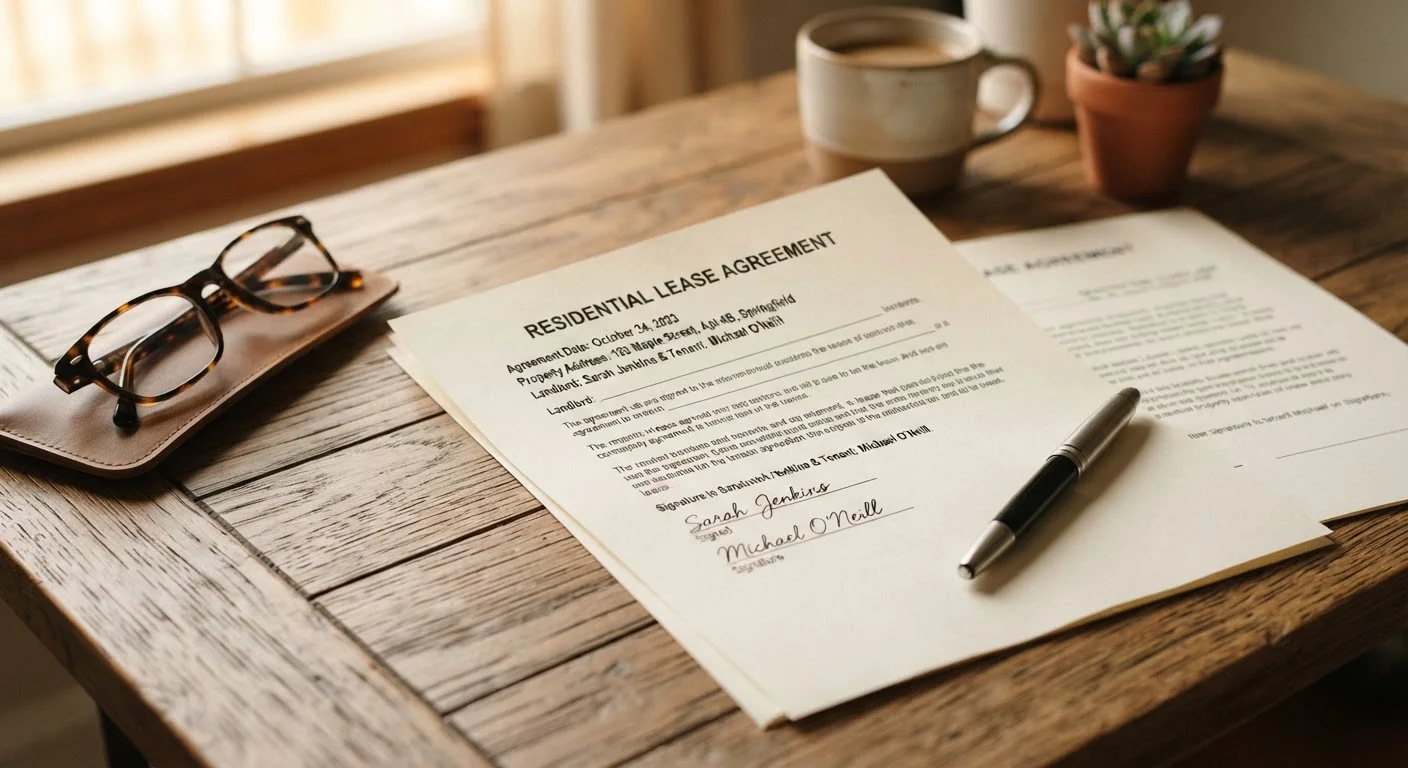
Photo: AdvisorBooth.net editorial
Key Takeaways
- A lease is a legally binding contract - read every clause before signing.
- Key sections cover rent, security deposit, lease term, maintenance duties, and entry rules.
- Some lease clauses may be unenforceable if they conflict with state law.
- Security deposit rules - including return timelines - vary by state.
- Many lease terms are negotiable before you sign, not after.
The Core Sections Every Lease Contains
Most residential leases follow a predictable structure, even if the language varies by landlord or state. Understanding the function of each section helps you read the document critically rather than just scanning for the rent amount.
Parties and property description: The lease identifies the landlord, every named tenant, and the specific rental unit - including the address and, in some cases, which parking spaces or storage areas are included. Anyone not listed as a tenant generally has no legal right to occupy the unit.
Lease term: This section defines whether the lease is fixed-term (typically 12 months) or month-to-month. A fixed-term lease locks both sides into the arrangement for the specified period, while a month-to-month agreement offers more flexibility but less security.
Rent and payment terms: Beyond the monthly amount, this section specifies the due date, accepted payment methods, and the grace period (if any) before a late fee applies. Late fees are often capped by state law, so it's worth verifying that what the lease states is actually legal in your jurisdiction.
Security deposit: The lease should state the deposit amount, what it can be used for, and the conditions for its return. Many states set a legal maximum - often one to two months' rent - and a required return timeline after move-out.
Maintenance, Repairs, and Habitability
One of the most consequential sections of any lease concerns who is responsible for what when something breaks or needs attention. Landlords are legally required in every U.S. state to maintain a habitable unit - meaning working heat, plumbing, and structural safety - regardless of what the lease says. A clause attempting to waive that duty is generally unenforceable.
Document Everything Before Move-In
The lease will typically assign routine maintenance tasks - like replacing light bulbs or keeping drains clear - to the tenant. More significant repairs are almost always the landlord's legal obligation. Read this section to understand what qualifies as a tenant responsibility versus a landlord repair, and document any existing damage in writing before or on move-in day.
Tenant alterations - painting walls, installing shelves, or making any permanent change - usually require written landlord approval. Unauthorized alterations can result in charges against your security deposit at move-out.
Entry, Notices, and Tenant Privacy
Most states require landlords to give advance written notice before entering an occupied unit - commonly 24 to 48 hours - except in genuine emergencies. A lease clause that claims the landlord may enter at any time without notice may not hold up in court. For a deeper look at which clauses cross legal lines, see our article on lease clauses that may not be enforceable.
Month-to-Month vs. Fixed-Term Leases
Renewal and termination terms are equally important. Fixed-term leases typically convert to month-to-month arrangements at expiration unless either party gives written notice of non-renewal. The required notice period - often 30 to 60 days - should be spelled out in the lease. Missing that window can obligate you to another month's rent.
Before you sign anything, it also pays to scan for red flags. Reading between the lines of a rental listing or lease can help you spot unusual or potentially problematic provisions early.
This article is for informational purposes only and does not constitute legal advice. Lease law varies by state and locality. Consult a qualified attorney or local tenant advocacy organization for guidance specific to your situation.
Frequently Asked Questions
The content on this site is for informational purposes only and is not a substitute for professional advice. Always consult a qualified professional for guidance specific to your situation.