
Grout Myths That Lead to Bathroom Tile Problems

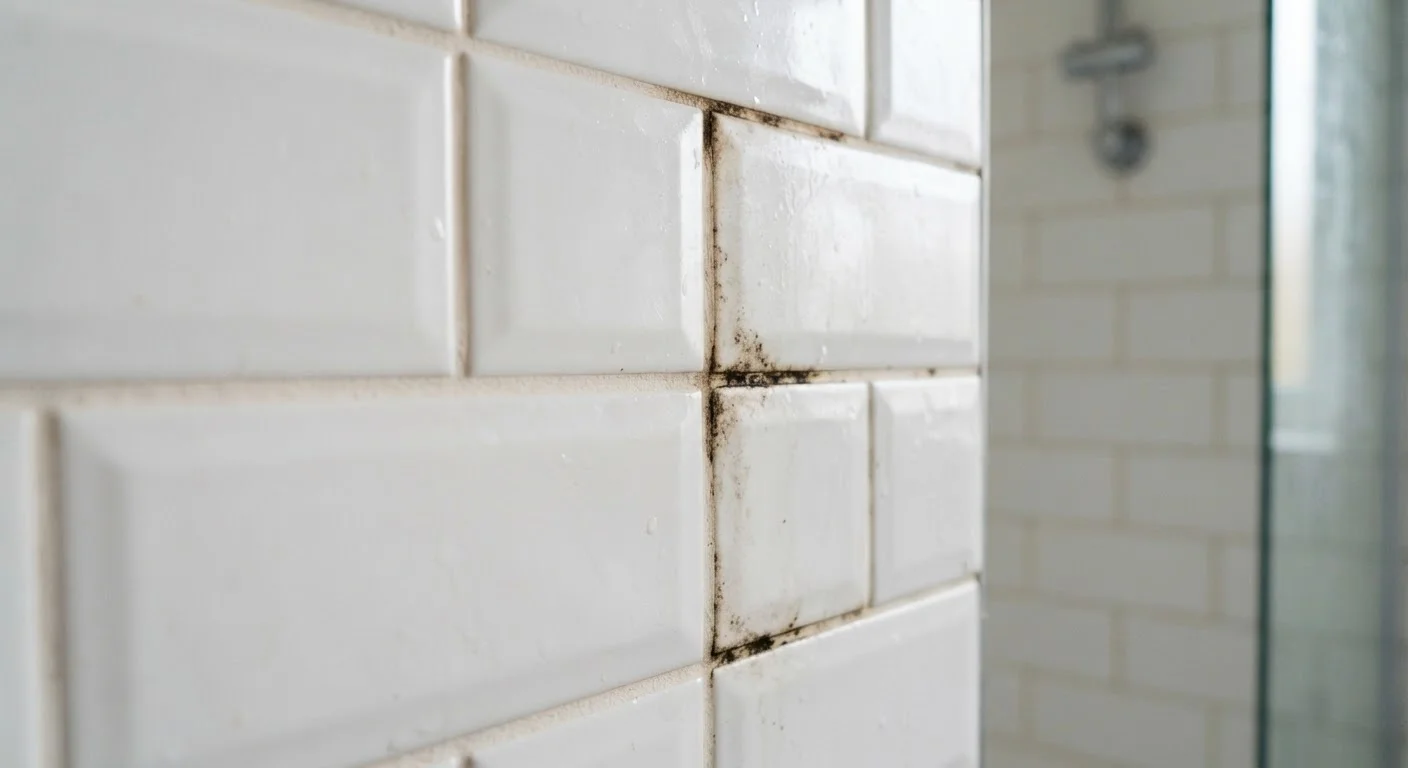
Photo: AdvisorBooth.net editorial
Key Takeaways
- Grout sealer does not make grout permanently waterproof - reapplication is needed every one to two years.
- Dark discoloration in grout is often mineral deposits or dirt, not necessarily mold.
- Epoxy grout resists stains but is not maintenance-free and can still be damaged by harsh cleaners.
- Cracked or crumbling grout should be repaired promptly to prevent water damage behind tiles.
- Bleach can degrade grout over time and is not the best long-term cleaning solution.
Why Grout Myths Cost Homeowners Real Money
Grout is one of the most overlooked materials in a bathroom - and one of the most misunderstood. Because it sits quietly between tiles, most homeowners only think about it when something goes wrong: a stain that won't lift, a tile that shifts, or a musty smell that won't quit. By that point, the damage often runs deeper than the surface.
Misinformation about grout spreads easily through well-meaning advice from neighbors, outdated home improvement guides, and product marketing that overpromises. Acting on these myths can lead to unnecessary repairs, wasted cleaning products, and in some cases, structural water damage behind walls. The good news is that sorting fact from fiction doesn't require a contractor's expertise - just a clearer picture of how grout actually works.
If renovation decisions more broadly are on your mind, it's worth understanding what home improvements actually affect resale value before spending on bathroom upgrades.
The Most Persistent Grout Misconceptions
The myths below come up repeatedly among homeowners tackling bathroom maintenance. Each one has a basis in partial truth - which is exactly what makes them so sticky.
Myth
Once you seal grout, it's waterproof and protected for the life of the tile.
Fact
Grout sealer wears down with use, cleaning, and exposure to water - it requires reapplication, typically every one to two years in high-traffic showers.
Sealer creates a temporary barrier that slows water absorption - it doesn't fuse permanently to grout. Foot traffic, scrubbing, and everyday cleaning products gradually break down the sealer layer. A bathroom shower that gets daily use will exhaust sealer protection much faster than a guest bath used weekly. Skipping reapplication leaves grout porous and vulnerable to staining and moisture intrusion.
Myth
Dark grout lines always mean mold, and the only fix is bleach.
Fact
Discoloration is frequently caused by mineral deposits, soap residue, or embedded dirt - not mold. Bleach can degrade grout over repeated use and isn't the right tool for every stain type.
Hard water leaves calcium and magnesium deposits that darken grout and mimic the appearance of mold or mildew. Soap scum and body oils also accumulate in porous grout, creating gray or brown discoloration. True mold typically appears fuzzy or slimy and often accompanies a musty odor. A pH-neutral cleaner or a paste of baking soda and water handles mineral and soap staining without the corrosive effects of chlorine bleach, which can weaken grout binders and lighten colored grout unevenly over time.
Myth
Epoxy grout is completely maintenance-free once it cures.
Fact
Epoxy grout resists stains and moisture better than cement-based grout, but it can still be damaged by abrasive cleaners and requires proper cleaning to maintain its surface.
Epoxy grout's dense, resin-based composition makes it significantly less porous than sanded or unsanded cement grout - which is a genuine advantage. However, using abrasive scrub pads or acidic cleaners on epoxy grout can dull its finish and create micro-scratches that trap grime over time. Routine cleaning with a soft brush and a non-abrasive cleaner keeps epoxy grout performing as intended. It also has a shorter installation window than cement grout, meaning errors in application are less forgiving.
Myth
A small grout crack is cosmetic and can wait until the next renovation.
Fact
Even hairline cracks allow water to penetrate behind tile, potentially damaging backer board and wall framing long before surface damage becomes visible.
Water moves along the path of least resistance, and a crack in grout - however small - is an open channel. In a shower, this means water can travel behind tile and saturate the substrate material, whether that's cement board, drywall, or wood framing. Over weeks and months, this hidden moisture can cause backer board to deteriorate and framing to weaken, setting up conditions for mold growth inside the wall cavity. Regrouting a cracked joint costs very little in time and materials compared to the remediation work that delayed repair can require.
Myth
You can clean grout more effectively by using a stronger acid or bleach solution.
Fact
Highly acidic or concentrated bleach solutions can etch cement-based grout, strip sealer, and discolor colored grout - more concentrated is not more effective for routine cleaning.
Acidic cleaners such as vinegar or undiluted bathroom-scale acids are effective at dissolving mineral deposits but actively attack the calcium-based binders in cement grout. Regular use accelerates grout erosion, creates a rougher surface that traps more dirt, and removes any sealer that has been applied. For stubborn staining, a targeted oxygen-bleach paste (different from chlorine bleach) applied and left for 10-15 minutes is generally safer for grout integrity than strong acid or concentrated chlorine solutions.
One area closely related to grout performance is caulking. The two materials work together at joints and corners, and failures in one often stress the other. Understanding why caulk fails and how to extend its life can help you address the full moisture-sealing picture in your bathroom.
Practical Steps for Healthier Grout
Once you've cleared the misconceptions, maintaining grout becomes straightforward. Here's what actually works:
- Test your sealer annually. Drip a few drops of water onto grout. If the water beads up, the sealer is holding. If it absorbs within a few seconds, it's time to reapply. Most sealers need refreshing every one to two years in a frequently used shower.
- Use pH-neutral cleaners for routine maintenance. Harsh acids strip sealer and erode grout binders over time. A mild dish soap diluted in warm water handles most everyday grime without damage.
- Address cracks immediately. A hairline crack in grout is an open door for water. Once moisture gets behind tile, it can deteriorate backer board and framing before any visible surface sign appears. Rake out cracked grout and regrout rather than painting over it.
- Improve ventilation. Most bathroom moisture problems trace back to inadequate airflow. Running an exhaust fan during and for 15-20 minutes after a shower significantly reduces the humidity that degrades both grout and caulk.
Avoid Mixing Grout Cleaners
Consistent, modest upkeep prevents the kind of grout failure that requires full tile removal - a project that is disruptive and costly regardless of who performs the work.
The content on this site is for informational purposes only and is not a substitute for professional advice. Always consult a qualified professional for guidance specific to your situation.