
Fall Garden Prep Checklist Before the First Frost

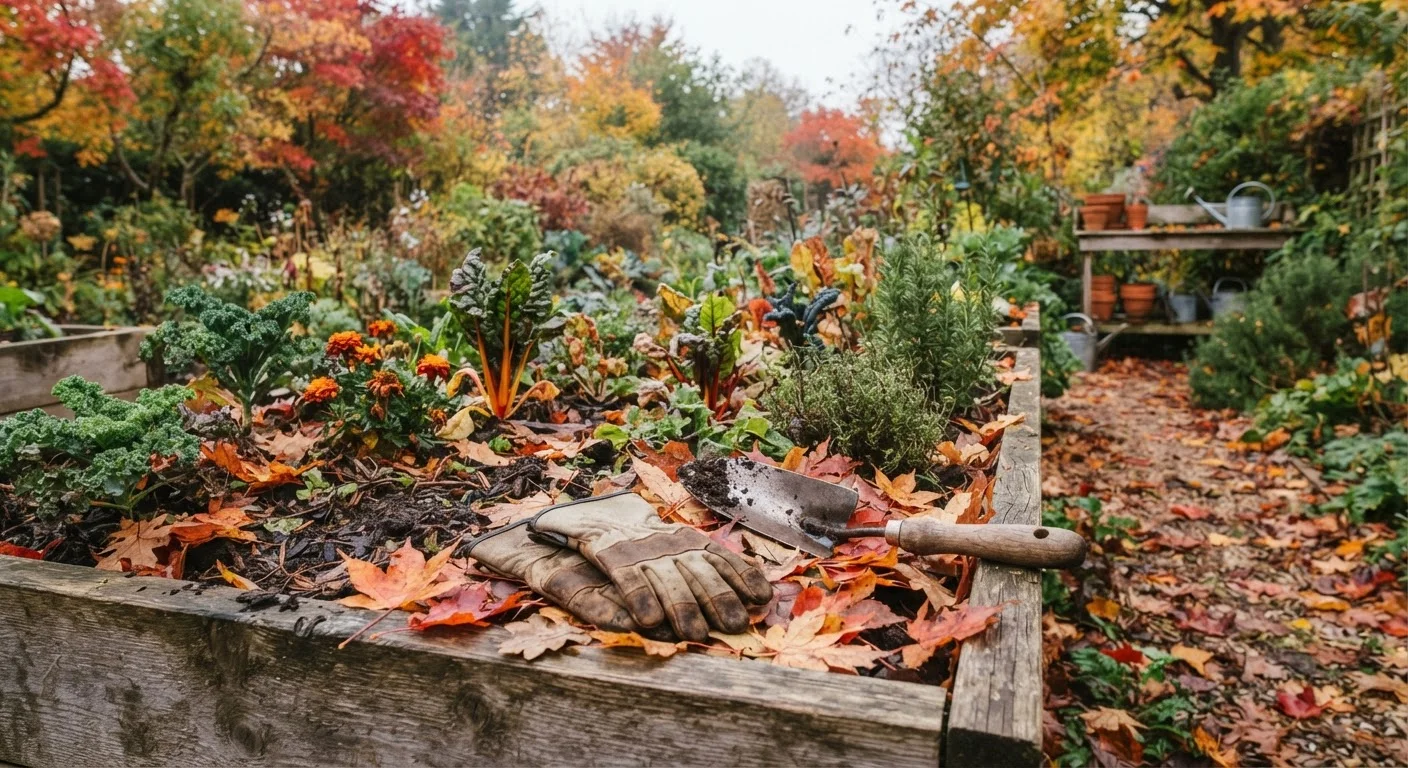
Photo: AdvisorBooth.net editorial
Key Takeaways
- Amending soil in fall gives nutrients time to integrate before spring planting.
- Cold-sensitive plants must be mulched or moved indoors before the first hard frost.
- Cutting back perennials correctly now protects roots and encourages stronger spring growth.
- Cleaning and storing tools in fall prevents rust and extends their lifespan significantly.
- Draining irrigation systems and hoses before freezing temperatures prevents costly damage.
Why Fall Garden Prep Matters More Than You Think
Most gardeners focus their energy on spring planting, but what you do in fall has an equal - often greater - impact on how well your garden performs next year. The weeks between late summer's warmth and the first hard frost are your window to protect plants, rebuild your soil, and set up every bed, border, and container for a strong comeback in spring.
Frost dates vary significantly by region, so check your local average first frost date through your county's cooperative extension service. Once you know your target, work backward to schedule each task with enough time to complete it without rushing.
This checklist covers the five key areas of fall garden prep: soil, perennials and bulbs, cold-sensitive plants, water systems, and tools. If you're also thinking about other seasonal tasks around the house, the Season-by-Season Home Maintenance Calendar pairs well with this guide.
Soil and Bed Preparation
Perennials and Bulbs
Cold-Sensitive Plants and Containers
Water Systems and Irrigation
Tool and Equipment Care
Tools and Supplies You'll Need
Gather these items before you begin so you can move efficiently through each task without stopping mid-project.
Garden fork or spade
Turns and aerates soil when incorporating compost into beds.
Pruning shears and loppers
Cuts back perennial stems and divides overgrown clumps cleanly.
Mulch (shredded leaves, straw, or wood chips)
Insulates perennial root zones from damaging freeze-thaw cycles.
Soil test kit or mail-in soil test
Determines pH and nutrient levels so fall amendments target real deficiencies.
Burlap or frost cloth
Protects borderline-hardy shrubs and tender plants from freezing wind and frost.
Steel wool and tool oil (linseed or mineral oil)
Removes rust from metal tool surfaces and coats them for winter storage.
Air compressor
Blows out in-ground irrigation lines to prevent freeze damage.
Caring for Perennials and Planning for Next Year
Fall is the ideal time to evaluate what worked and what didn't in your garden. Make notes while the season is fresh - which plants thrived, which underperformed, and where you want to add color or structure next year. If you're weighing whether to invest in more permanent plantings, our guide on perennials vs. annuals can help you think through a low-maintenance long-term plan.
Don't Cut Back Everything in Fall
Fall is also the right time to plant spring-blooming bulbs like tulips, daffodils, and alliums. They need a cold stratification period in the ground to bloom properly - get them in at least four to six weeks before the ground freezes hard.
Once you've wrapped up your outdoor prep, consider pairing this effort with a broader indoor reset. The seasonal decluttering checklist can help you tackle garages and storage spaces where garden tools and supplies often pile up.
Looking Ahead to Spring
The work you put in this fall pays dividends you'll see the moment the ground thaws. Amended soil will be loose and nutrient-rich. Protected perennials will push up earlier and stronger. Stored tools will be ready to use without a detour to the hardware store.
If you're planning to expand your growing efforts next season, starting a vegetable garden from scratch is a great place to begin thinking through site selection, soil prep, and your first plantings - all decisions that benefit from the groundwork you're laying right now.
Know Your First Frost Date Before You Start
The content on this site is for informational purposes only and is not a substitute for professional advice. Always consult a qualified professional for guidance specific to your situation.