
Popular Diet Patterns Compared: Mediterranean, Plant-Based, Low-Carb, and More

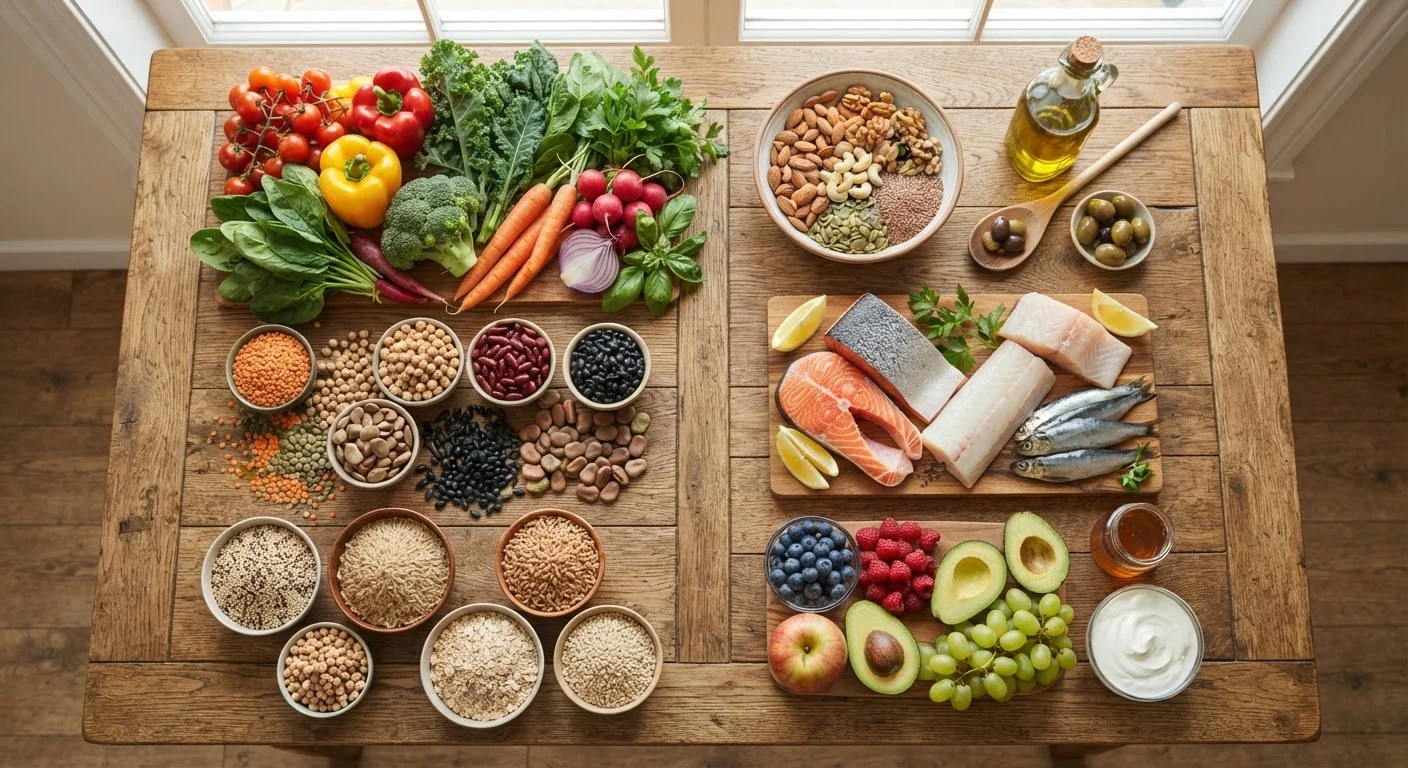
Photo: AdvisorBooth.net editorial
Key Takeaways
- No single dietary pattern is universally superior - research consistently highlights several eating styles with solid health associations.
- Most well-studied diets emphasize whole, minimally processed foods regardless of their specific macronutrient ratios.
- Sustainability and personal fit matter as much as the science; the pattern you can maintain long-term tends to deliver better outcomes.
- Always consult a qualified healthcare professional before making major dietary changes, especially with existing health conditions.
Why Compare Dietary Patterns at All?
Nutrition advice can feel overwhelming - every few years a new approach gets labeled a breakthrough, while older ones fall out of fashion. But researchers increasingly study dietary patterns rather than single nutrients, because how foods combine in everyday eating shapes health outcomes more meaningfully than any isolated ingredient.
This overview covers four widely discussed patterns - Mediterranean, plant-based, low-carb, and DASH - examining what each emphasizes, what the evidence generally suggests, and where they differ in practice. It's general health information, not personalized medical guidance. If you're thinking about a significant dietary shift, a registered dietitian or your primary care provider is the right starting point.
If you're newer to thinking about food and nutrition, our beginner's nutrition guide covers foundational ideas without the jargon.
The Four Patterns at a Glance
Before diving into detail, it helps to see how these patterns stack up across a few key dimensions. Each has a distinct philosophy, but they share one consistent theme: an emphasis on minimally processed, whole foods.
| Mediterranean | Plant-Based | Low-Carb | DASH | |
|---|---|---|---|---|
| Core emphasis | Olive oil, fish, vegetables, legumes | Vegetables, legumes, whole grains | Protein and fat; minimal carbs | Fruits, vegetables, low-fat dairy, low sodium |
| Animal products | Moderate (fish, some dairy, poultry) | Minimal to none | Allowed and often central | Lean meats and dairy included |
| Carbohydrate level | Moderate (whole grains) | Moderate to high (whole grains) | Low to very low | Moderate (whole grains) |
| Strength of long-term evidence | Extensive | Growing | Moderate (short-term strong) | Strong for blood pressure |
| Flexibility / ease of adaptation | High | Moderate | Moderate | Moderate to high |
| Key nutritional watch-outs | Portion awareness | B12, iron, omega-3s | Fiber, micronutrients | Sodium tracking required |
Keep in mind that real-world eating rarely fits any pattern perfectly - most people blend elements from several approaches.
Mediterranean: The Broadest Evidence Base
The Mediterranean pattern draws from traditional eating habits of countries bordering the Mediterranean Sea. It centers on vegetables, fruits, legumes, whole grains, olive oil, fish, and moderate amounts of dairy and wine, while limiting red meat and ultra-processed foods.
It consistently ranks among the most studied dietary patterns. Large observational studies and several randomized controlled trials associate it with lower rates of cardiovascular disease, improved cognitive health markers, and better metabolic outcomes. It's flexible enough to accommodate most cultural food traditions, which may partly explain its strong adherence rates in research settings.
Flexibility Is a Feature, Not a Bug
Plant-Based: More Than Just Vegetarian
"Plant-based" covers a wide spectrum - from fully vegan (no animal products) to flexitarian (mostly plants, with occasional animal foods). The unifying principle is placing vegetables, legumes, whole grains, nuts, seeds, and fruits at the center of the plate.
Research links plant-forward eating with lower risks of type 2 diabetes, certain cancers, and cardiovascular disease. It also tends to reduce dietary saturated fat while increasing fiber - a nutrient most Americans under-consume. One practical consideration: without thoughtful planning, plant-based diets can fall short in vitamin B12, iron, omega-3 fatty acids, and zinc. Our protein sources comparison explores these nutritional trade-offs in detail.
Low-Carb: Metabolism, Satiety, and Trade-Offs
Low-carb patterns (including ketogenic variations) significantly reduce carbohydrate intake - typically from refined grains, sugar, and starchy foods - while increasing protein and fat. The mechanisms differ depending on how strict the carb reduction is, but most forms aim to alter how the body uses fuel.
Short-term studies show low-carb eating can be effective for blood sugar management and weight loss, and some people find higher-fat, higher-protein meals more satiating. Long-term evidence is less settled, particularly for very strict ketogenic approaches. Food quality still matters enormously: a low-carb pattern built around vegetables, nuts, fish, and quality proteins differs substantially from one built around processed meats and saturated fats. It's also worth noting that very restrictive low-calorie variations tend to backfire physiologically over time.
DASH: Designed Around Blood Pressure
DASH - Dietary Approaches to Stop Hypertension - was developed specifically to help manage blood pressure without medication as a first line of defense. It emphasizes fruits, vegetables, low-fat dairy, whole grains, and lean proteins while reducing sodium, saturated fats, and added sugars.
Clinical trials have consistently shown the DASH pattern lowers systolic blood pressure meaningfully. It overlaps considerably with the Mediterranean pattern but places more explicit emphasis on sodium limits and includes low-fat dairy as a deliberate component. For those managing hypertension or cardiovascular risk factors, it remains one of the most evidence-backed options - though any dietary change for a specific health condition warrants professional guidance.
Whatever pattern resonates with you, it's also worth separating evidence-based principles from persistent misconceptions. Our piece on nutrition myths the science has largely debunked can help with that. And if budget is a concern, eating well on a budget is more achievable than many assume.
This article is for general informational and educational purposes only and does not constitute medical or dietary advice. Consult a qualified healthcare professional before making significant changes to your diet, especially if you have existing health conditions.
The content on this site is for informational purposes only and is not a substitute for professional advice. Always consult a qualified professional for guidance specific to your situation.