
Common Myths About Drunk and Impaired Driving

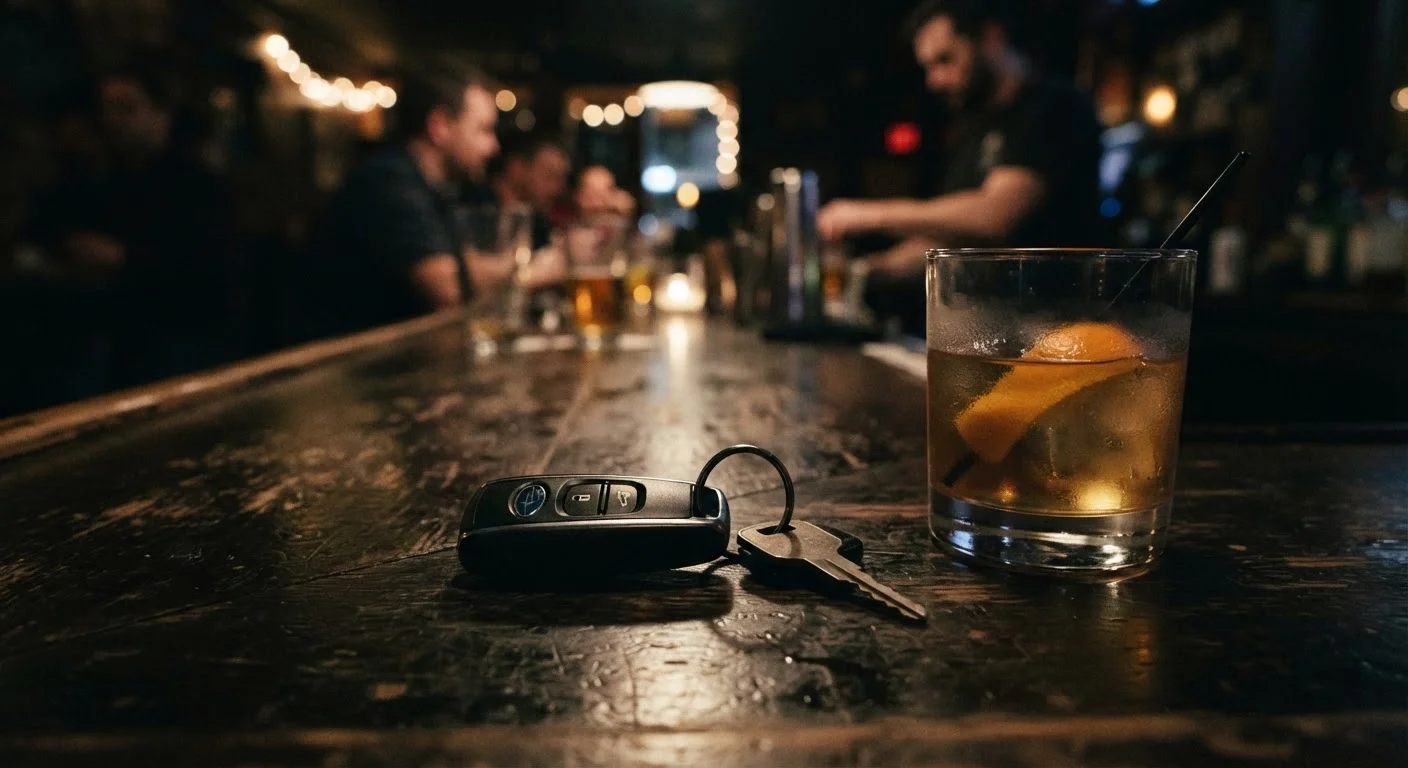
Photo: AdvisorBooth.net editorial
Key Takeaways
- Coffee, food, and cold showers do not speed up the body's alcohol metabolism.
- Feeling fine after drinking does not mean your driving ability is unimpaired.
- The legal BAC limit of 0.08% is a criminal threshold, not a safe driving guarantee.
- Drug impairment - including legal prescriptions - poses the same crash risks as alcohol.
- Buzzed driving contributes to thousands of fatal crashes annually in the United States.
Why These Myths Persist - and Why They're Dangerous
Impaired driving myths are stubborn because they offer convenient reassurance. When someone wants to believe they're okay to drive, the idea that coffee or a window of time is enough feels compelling. But traffic safety research tells a different story - and the consequences of acting on misinformation are severe. Impaired driving remains one of the leading causes of traffic fatalities in the United States, according to the NHTSA.
Much like the misconceptions addressed in our piece on distracted driving and attention, impaired driving myths thrive partly because the risks aren't always immediately visible - until something goes wrong.
Myth
Drinking coffee or eating a big meal will sober you up before driving.
Fact
Only time eliminates alcohol from your bloodstream - food and caffeine cannot speed that process.
The liver metabolizes alcohol at a largely fixed rate - roughly one standard drink per hour for most adults, though individual factors like body weight, metabolism, and medications affect this. Eating food before or while drinking can slow alcohol absorption, but once alcohol is in your bloodstream, food has no effect. Coffee may make you feel more alert, but your reaction time, judgment, and coordination remain impaired. Driving after drinking coffee is just as dangerous as driving without it.
Myth
If you feel fine, you're safe to drive - you'd know if you were too impaired.
Fact
Alcohol impairs the very faculties needed to accurately judge your own impairment.
One of alcohol's earliest effects is a reduction in self-awareness and critical judgment. Research consistently shows that drivers significantly overestimate their own ability to operate a vehicle after drinking. By the time someone is visibly intoxicated, their driving performance has already been compromised at lower blood alcohol concentrations (BAC). Feeling confident is not the same as being capable - and that gap is precisely where crashes happen.
Myth
You're legal to drive as long as you stay under the 0.08% BAC limit.
Fact
Measurable driving impairment begins well below the legal limit of 0.08% BAC.
The 0.08% threshold is a legal standard, not a safety benchmark. Studies from the National Highway Traffic Safety Administration (NHTSA) indicate that driving skills - including tracking, braking, and divided-attention tasks - begin to deteriorate at BAC levels as low as 0.02%. All 50 U.S. states have zero-tolerance laws for drivers under age 21, reflecting the science that no level of alcohol is without risk behind the wheel. Being under the legal limit does not mean you are unimpaired.
Myth
Only alcohol causes impaired driving - prescription drugs are safe.
Fact
Many prescription and over-the-counter medications can significantly impair driving ability.
Drug-impaired driving involves far more than illicit substances. Sedatives, antihistamines, opioid pain relievers, certain antidepressants, and even some cold medications can cause drowsiness, slowed reaction times, blurred vision, and impaired coordination. The FDA and NHTSA both warn that legal medications can be just as dangerous as alcohol when it comes to driving. Always read medication labels for driving warnings and consult a pharmacist or physician if you are uncertain.
Myth
Buzzed driving isn't really dangerous - it only becomes a problem when you're visibly drunk.
Fact
"Buzzed driving" is impaired driving and accounts for a substantial share of fatal crashes.
The term "buzzed driving" downplays a real risk. NHTSA data shows that drivers with BAC levels between 0.01% and 0.07% - below the legal threshold - are involved in thousands of fatal crashes each year. At these levels, vision narrows, multitasking suffers, and reaction times slow enough to make avoiding sudden hazards significantly harder. There is no safe amount of alcohol for driving.
Myth
Opening a window or blasting the AC helps you drive more safely after drinking.
Fact
Fresh air and cold temperatures have no effect on blood alcohol concentration or impairment.
Like caffeine, cold air may briefly increase alertness, but it does nothing to reduce your BAC or restore the cognitive functions alcohol has suppressed. Your brain's processing speed, decision-making, and motor control remain compromised regardless of how awake you feel. These short-term tricks create a false sense of readiness that can lead directly to dangerous decisions.
The Science Behind Impairment: What Actually Happens in Your Body
Alcohol is a central nervous system depressant. Even at low doses, it begins suppressing the brain regions responsible for impulse control, spatial awareness, and reaction time. These are precisely the capabilities that safe driving demands.
~37
Drunk driving deaths per day in the U.S.
According to NHTSA data, approximately 37 people die every day in the United States in drunk-driving crashes.
0.02%
BAC at which driving skills begin to decline
NHTSA research indicates measurable impairment of tracking and divided-attention tasks starts at a BAC as low as 0.02%.
30%
Share of U.S. traffic fatalities involving alcohol
NHTSA data consistently shows alcohol-impaired driving accounts for roughly 30% of all traffic crash fatalities nationwide.
Drug impairment follows similar pathways. Whether the source is alcohol, cannabis, opioids, or certain antihistamines, the result is a brain that processes information more slowly and less accurately. Drivers may not swerve visibly or slur words, yet their ability to brake in time, judge distances, or respond to a pedestrian stepping off a curb can be critically diminished.
No Trick Reverses Alcohol Impairment
Understanding these physiological facts is the foundation of safe decision-making. If you're uncertain whether a medication affects your driving, your pharmacist is a direct, accessible resource - and that check takes only minutes.
Making Safer Choices: What the Evidence Supports
The only reliable strategy for preventing impaired driving is planning before drinking begins. Designating a sober driver, using a rideshare service, or arranging to stay overnight are all evidence-backed alternatives that eliminate the risk entirely. These are not inconveniences - they are the decisions that prevent fatalities.
It's also worth recognizing that impaired driving is not just an alcohol issue. Anyone managing a new prescription, recovering from illness, or taking sleep aids should review driving restrictions carefully before getting behind the wheel.
Staying informed about safety myths matters across all areas of vehicle operation. Whether you're rethinking assumptions about brake maintenance or understanding the real risks of impaired driving, accurate knowledge is what keeps you and others safe on the road.
The content on this site is for informational purposes only and is not a substitute for professional advice. Always consult a qualified professional for guidance specific to your situation.