
Certified Pre-Owned Programs: What the Label Actually Guarantees

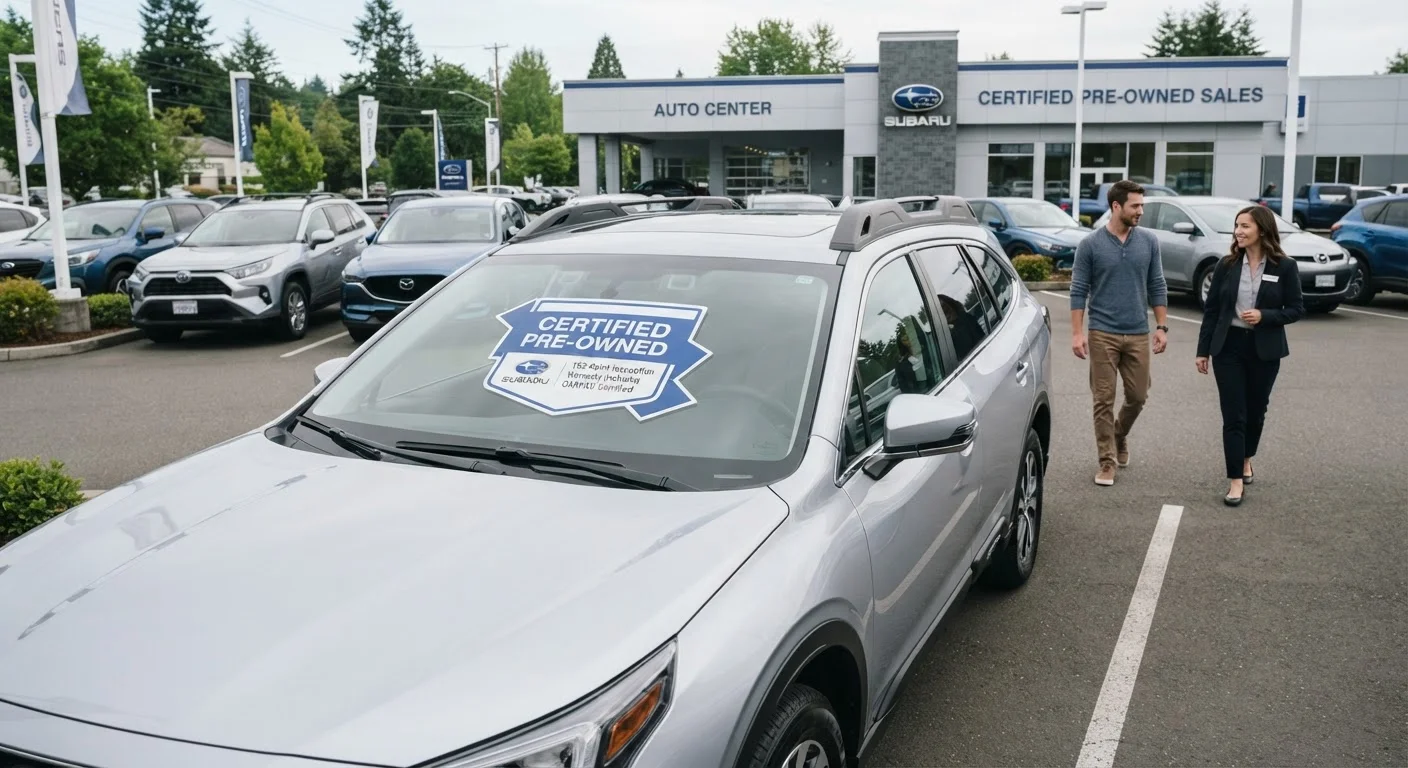
Photo: AdvisorBooth.net editorial
Key Takeaways
- CPO programs are not standardized - manufacturer and dealer programs differ significantly in what they cover.
- A multi-point inspection is a core requirement of most CPO programs, but the number and rigor of points checked vary.
- Manufacturer-backed CPO warranties are generally more comprehensive and enforceable than dealer-issued ones.
- CPO vehicles typically cost more than non-certified used cars, so understanding what you're paying for matters.
- Always request the full inspection report and warranty terms in writing before signing anything.
What 'Certified' Actually Means - and Who Decides
The word certified carries a sense of authority, but in the used-car market, it has no universal legal definition. Two vehicles sitting side by side on different lots can both wear a CPO label while offering very different levels of assurance to buyers.
There are two distinct types of CPO programs. Manufacturer-backed programs are run by the automaker - think of the carmaker setting the inspection standards, the warranty terms, and the eligibility rules. A vehicle must meet specific age and mileage limits (commonly under six years old and under 80,000 miles, though this varies by brand) and pass a detailed multi-point inspection before receiving the designation. The resulting warranty is backed by the manufacturer and can typically be honored at any franchised dealership for that brand.
Dealer-certified programs, by contrast, are created and administered by individual dealerships. There is no external oversight or standardized requirement. A dealership can define its own inspection checklist and warranty terms - which means the rigor and value of the program depends entirely on that specific dealer's practices.
Understanding this distinction is the starting point for evaluating any CPO offer. Asking targeted questions before committing to any vehicle is a practical habit that can surface the information that listings rarely volunteer.
What a CPO Program Typically Includes
While programs differ, most manufacturer CPO certifications share a few core elements worth understanding.
- Multi-point inspection: A technician examines the vehicle against a defined checklist covering mechanical, safety, and cosmetic criteria. The number of points checked ranges widely - from around 100 to over 170 - and items that don't pass must be repaired or replaced before certification is granted.
- Extended limited warranty: CPO vehicles come with some form of additional warranty coverage beyond the original factory warranty. This might be a powertrain warranty covering the engine and transmission, a more comprehensive bumper-to-bumper warranty, or a combination of both. Terms and durations vary significantly by brand and program.
- Vehicle history report: Most manufacturer programs require a clean vehicle history, checking for significant accidents, title issues, or odometer discrepancies. Dealer programs may or may not include this step.
- Roadside assistance and other perks: Some manufacturer programs bundle in roadside assistance, trip interruption coverage, or trial subscriptions to connected services. These extras add real value but shouldn't overshadow the core question of what the warranty actually covers.
~$1,500-$3,500
Typical CPO price premium over non-certified equivalents
Industry observers and consumer automotive researchers have noted that CPO vehicles generally command a premium of this range, though it varies by brand, model, and market conditions.
100-172+
Inspection points in common manufacturer CPO programs
The number of items examined during a manufacturer CPO inspection varies by brand; programs with more inspection points tend to offer more comprehensive pre-sale verification.
2-6 years
Typical CPO warranty duration range
Manufacturer CPO warranty durations vary widely - buyers should confirm the exact term in years and miles rather than assuming a standard applies.
Before signing, ask for the actual inspection checklist - not just a summary - and confirm in writing what the warranty covers, what it excludes, and where repairs must be performed.
Where CPO Programs Fall Short
A CPO label does not mean a vehicle is problem-free. It means it passed a defined inspection at a specific point in time. There are meaningful gaps buyers should account for.
Exclusions in the warranty are common. Most CPO warranties are limited warranties, meaning they cover specific listed components. Wear items - brake pads, tires, wiper blades - are typically excluded. So are cosmetic issues that existed before sale. Reading the exclusions section of a warranty document is just as important as reading what's covered.
Pre-existing conditions not caught in inspection are a real risk. No inspection, however thorough, is a guarantee that no issues exist. Intermittent problems, early-stage failures, or issues outside the checklist's scope can be missed.
The CPO premium may not align with the benefit. CPO vehicles typically cost more than equivalent non-certified used cars. Whether the added cost is justified depends on the specific program's warranty terms and your own risk tolerance. The finance office may also offer additional extended warranties or protection products on top of the CPO warranty - understanding what's already covered helps you evaluate those offers clearly.
How to Evaluate a CPO Program Before You Commit
Treating a CPO label as a starting point - not a conclusion - puts you in a stronger position as a buyer. Here's how to assess what you're actually getting.
- Confirm who backs the warranty. Is it the manufacturer or the dealership? Ask for the name of the warranty provider in writing.
- Request the full inspection checklist. A legitimate program will hand this over without hesitation. Review which items were inspected, which were repaired, and whether any were noted as acceptable within defined tolerances.
- Read the warranty terms carefully. What's covered? What's excluded? Where must repairs be performed? How long does coverage last - in years and miles? Is the warranty transferable if you sell the car?
- Run your own vehicle history check. Don't rely solely on what the dealer provides. Independent history reports are widely available and can surface information that may not have been disclosed.
- Consider an independent pre-purchase inspection. A licensed mechanic who is not affiliated with the selling dealership can inspect the vehicle before you buy. This is particularly worthwhile for higher-mileage vehicles or if the CPO program is dealer-issued rather than manufacturer-backed.
Good ongoing maintenance practices after purchase will also affect how well the vehicle holds up - certification covers the vehicle's condition at the point of sale, not the years ahead.
“The value of a certified pre-owned program ultimately comes down to the warranty terms and who stands behind them. The label alone tells you very little - the document behind it tells you everything.”
— Consumer Automotive Research Guidance, General principle reflected in consumer vehicle purchasing literature
Frequently Asked Questions
The content on this site is for informational purposes only and is not a substitute for professional advice. Always consult a qualified professional for guidance specific to your situation.